What Are the Effects of Housing Segregation in America?
TL;DR
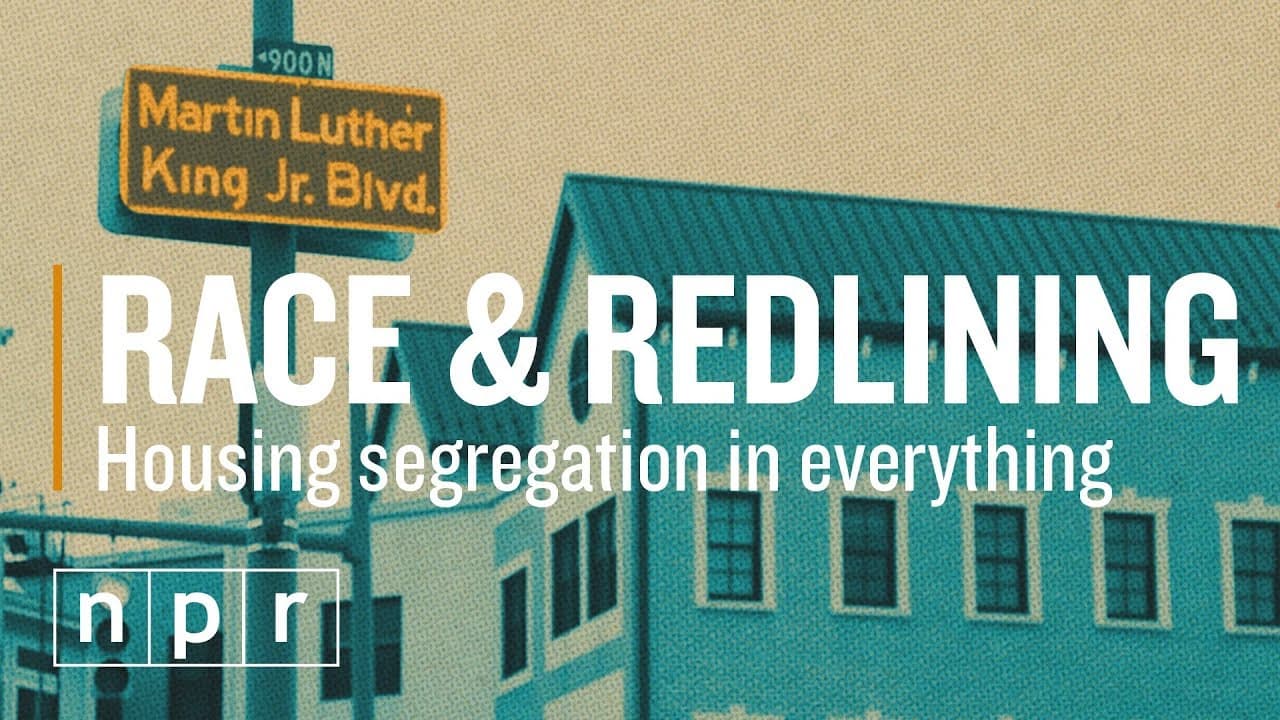
Housing segregation, established through discriminatory practices like redlining, has lasting impacts on wealth, education, health, and policing in American cities. It has led to significant disparities, such as limited access to homeownership for black families, underfunded schools in segregated areas, and increased health risks due to environmental hazards, while also exacerbating distrust between communities and law enforcement.
Transcript
Chris Rock: You know what's so sad, man? You know what's wild? Martin Luther King stood for nonviolence. Now what's Martin Luther King? A street. And I don't give a f*** where you at in America, If you on Martin Luther King Boulevard there's some violence going down. Gene: That, of course, is Chris Rock’s famous joke about streets named for Martin ... Read More
Key Insights
- ⚾ The National Housing Act of 1934 and redlining practices resulted in widespread housing segregation based on race, leading to numerous social and economic disparities.
- 🐦⬛ Discrimination in housing limited access to homeownership and loans, contributing to wealth disparities between white and black families.
- 🚲 Housing segregation perpetuates inequalities in education, with better-funded schools in wealthier neighborhoods, creating a cycle of limited opportunities for students in poorer areas.
- 🐦⬛ Segregated neighborhoods often lack basic amenities, leading to health disparities, such as access to fresh food, clean water, and safe housing.
- 👮 Policing in segregated neighborhoods involves racial profiling and aggressive tactics, eroding trust between communities and law enforcement.
- 🇦🇸 Housing segregation is a pervasive issue in many American cities, impacting various aspects of life, including wealth, education, health, and policing.
- 🟰 The Fair Housing Act of 1968 was a step towards equal housing opportunities, but its limited enforcement has done little to address the existing damage caused by housing segregation.
Install to Summarize YouTube Videos and Get Transcripts
Explore YouTube Video Summarizer or Get YouTube Transcript Extractor
Questions & Answers
Q: What were the consequences of redlining on neighborhoods?
Redlined neighborhoods experienced abandoned properties, unreliable city services, increased crime rates, and reduced property values, creating a cycle of disinvestment and decline.
Q: How did discriminatory practices impact black wealth compared to white wealth?
Discrimination in housing, such as redlining and limited access to mortgages and loans, has resulted in significantly lower levels of wealth for black families compared to white families, even with similar income and education levels.
Q: How does housing segregation affect education?
Housing segregation perpetuates educational disparities by creating a feedback loop where property values determine school funding, resulting in better-funded schools in wealthier neighborhoods and limited resources in poorer neighborhoods.
Q: What are the health implications of housing segregation?
Housing segregation concentrates people of color in neighborhoods with environmental hazards, poor infrastructure, and toxic conditions, leading to higher rates of diseases such as cancer, asthma, and heart disease.
Key Insights:
- The National Housing Act of 1934 and redlining practices resulted in widespread housing segregation based on race, leading to numerous social and economic disparities.
- Discrimination in housing limited access to homeownership and loans, contributing to wealth disparities between white and black families.
- Housing segregation perpetuates inequalities in education, with better-funded schools in wealthier neighborhoods, creating a cycle of limited opportunities for students in poorer areas.
- Segregated neighborhoods often lack basic amenities, leading to health disparities, such as access to fresh food, clean water, and safe housing.
- Policing in segregated neighborhoods involves racial profiling and aggressive tactics, eroding trust between communities and law enforcement.
- Housing segregation is a pervasive issue in many American cities, impacting various aspects of life, including wealth, education, health, and policing.
- The Fair Housing Act of 1968 was a step towards equal housing opportunities, but its limited enforcement has done little to address the existing damage caused by housing segregation.
- Addressing housing segregation requires comprehensive efforts to dismantle systemic racism and promote equitable access to housing, education, healthcare, and law enforcement services.
Summary & Key Takeaways
-
The National Housing Act of 1934 introduced redlining, a discriminatory practice that segregated neighborhoods based on race, resulting in limited access to housing and services for black and brown people.
-
Housing segregation perpetuated wealth disparities between white and black families, as homeownership is a major factor in creating wealth.
-
Segregation also impacts schools, as property taxes contribute to school funding, leading to better resources in wealthier neighborhoods and perpetuating educational inequalities.
-
Housing segregation contributes to health disparities, as people of color are more likely to live near polluting industries and lack access to fresh food, clean water, and quality housing.
-
Policing in segregated neighborhoods often involves racial profiling and aggressive tactics, eroding trust between communities and law enforcement.
Read in Other Languages (beta)
Share This Summary 📚
Summarize YouTube Videos and Get Video Transcripts with 1-Click
Try YouTube Summary with ChatGPT & Claude or YouTube Transcript Generator
Explore More Summaries from NPR 📚






Summarize YouTube Videos and Get Video Transcripts with 1-Click
Try YouTube Summary with ChatGPT & Claude or YouTube Transcript Generator