How Does Liquid Nitrogen and Thermite Transform Pumpkins?
TL;DR
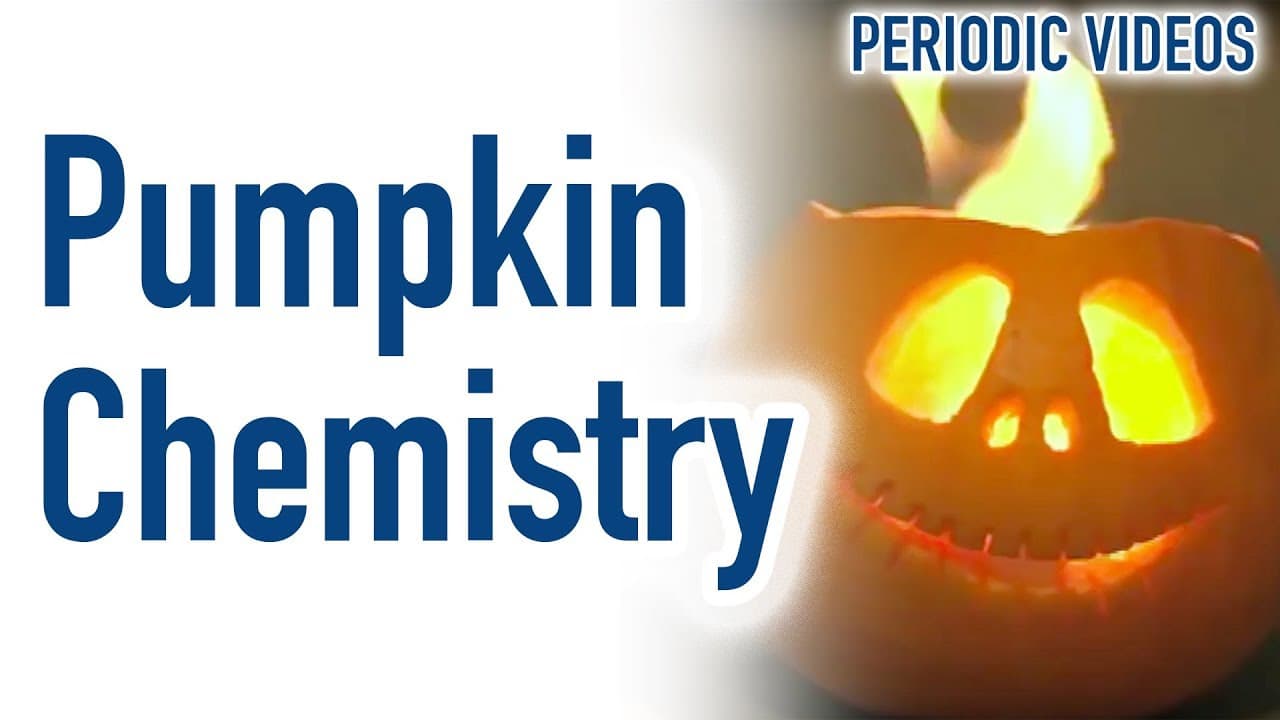
Cooling a pumpkin with liquid nitrogen makes it brittle, allowing it to shatter upon impact. Adding substances like calcium acetate and ethanol creates vibrant colored flames during combustion, while a thermite reaction produces molten iron that dramatically alters the pumpkin's appearance. This combination of chemistry and Halloween fun showcases the exciting potential of scientific experiments.
Transcript
so I've always been interested in chemistry at low temperature cooling things right down to see what happens so I think I'm good to try it out on my pumpkin first of all just to jazz it up I'm going to light up the pumpkin so here we are these stakes themselves are chemically quite interesting when you do the reaction you make molecules in an excit... Read More
Key Insights
- 💦 Liquid nitrogen can freeze water in pumpkins, making them more brittle upon impact.
- ❓ Chemical reactions can create colored flames, showcasing the properties of different elements.
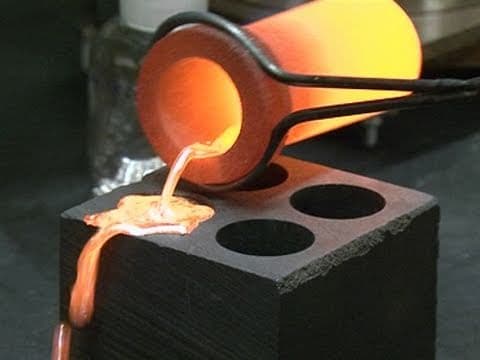
- ♻️ Thermite reaction with aluminum and iron oxide can produce molten iron for a dramatic effect.
- 🍵 Safety precautions like gloves are necessary when handling substances like liquid nitrogen.
- ❓ Understanding the chemistry behind reactions can enhance Halloween experiments.
- ♻️ Different chemicals can create unique visual effects, like colored flames and molten iron.
- 💟 Using science to create Halloween decorations can be both educational and entertaining.
Install to Summarize YouTube Videos and Get Transcripts
Explore YouTube Video Summarizer or Get YouTube Transcript Extractor
Questions & Answers
Q: What happens when liquid nitrogen is used to cool down the pumpkin?
Liquid nitrogen freezes the water in the pumpkin, making it brittle and allowing it to break into small pieces upon impact.
Q: How do chemical reactions with calcium acetate and ethanol create colored flames?
The reactions release energy, causing excited state molecules to emit colored light, showcasing the unique properties of different elements.
Q: What is the purpose of using thermite with aluminum and iron oxide on the pumpkin?
Thermite reaction produces molten iron, providing a dramatic and fiery effect on the pumpkin, adding excitement to the Halloween experiment.
Summary & Key Takeaways
-
Liquid nitrogen cools down the pumpkin, causing chemical reactions to slow down and the light to go out.
-
Chemical reactions with calcium acetate and ethanol create colored flames, showcasing different elements.
-
Thermite reaction with aluminum and iron oxide creates molten iron, transforming the pumpkin.
Read in Other Languages (beta)
Share This Summary 📚
Summarize YouTube Videos and Get Video Transcripts with 1-Click
Try YouTube Summary with ChatGPT & Claude or YouTube Transcript Generator
Explore More Summaries from Periodic Videos 📚
Summarize YouTube Videos and Get Video Transcripts with 1-Click
Try YouTube Summary with ChatGPT & Claude or YouTube Transcript Generator