105 Amazing Startups from TechCrunch Disrupt in 23 Minutes! Find A Startup You Love!
TL;DR
The startups at TechCrunch Disrupt tackled needs across virtual reality, healthcare, education, retail staffing, business administration, cloud security, agriculture, and consumer technology. The San Francisco compilation features more than 50 startup interviews, including Discover Learning’s educational VR, Staffly’s on-demand retail staffing, Ava’s fertility bracelet, Cohero Health’s respiratory platform, and Leaf’s smartphone-controlled growing system. Read on for specific examples organized by problem and industry.
Transcript
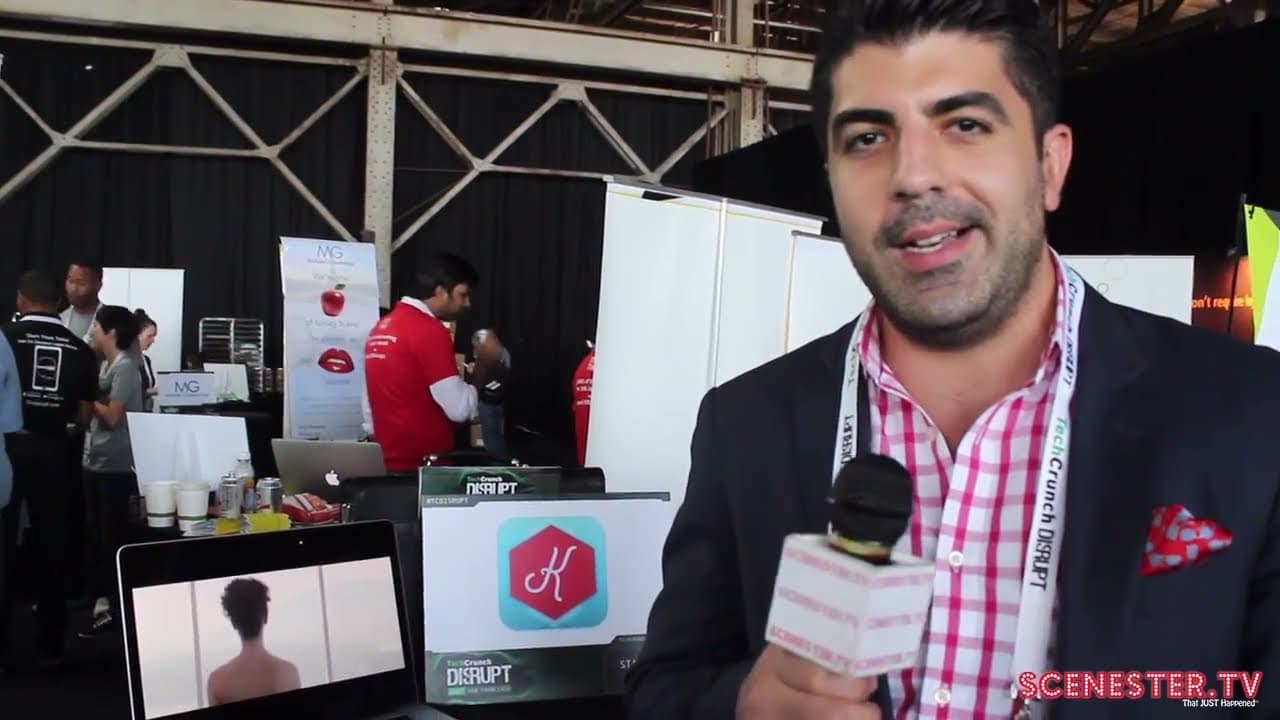
this is Jo here for the tech scene scener TV San Francisco 2015 where startups from around the world from the Brazilian Pavilion to the Korean Pavilion all show up thousands of people to bring you the latest and greatest in technology the most disruptive Technologies there's a startup for everything there's literally an app for that so uh stay tune... Read More
Key Insights
- TechCrunch Disrupt is presented as an international gathering where startups from locations including Brazil and Korea showcase technologies to thousands of attendees in San Francisco.
- Virtual reality is one of the strongest themes, with startups offering educational experiences, content production, games, social platforms, analytics, mobile hardware, virtual tours, realistic avatars, human capture, and immersive views of Earth.
- Healthcare startups are addressing fertility, respiratory care, elder and chronic care, and clinical communication through products such as a fertility bracelet, connected respiratory tools, vetted care experts, and patient-centered hospital messaging.
- Business software is reducing administrative work through expense management, finance services, employee retirement plan setup, phone support deployment, coding activity measurement, gym management, and paragraph-level document collaboration.
- Retail and service marketplaces are connecting organizations with practical resources, including on-demand retail staff and trusted painting contractors who can meet scheduling, budgeting, and project specification requirements.
- Consumer hardware is combining smartphones with physical products, including programmable robot-building bricks, instant nail-art printing, mobile VR platforms, a multifunction phone viewing device, and a smartphone-controlled cannabis-growing system.
- Cloud platforms are emphasizing privacy and consolidation, with one service designed to prevent cloud providers from viewing protected data and another aggregating storage from services such as Google, Dropbox, and Box.
- Personalization and engagement tools are helping organizations tailor websites, operate social jukeboxes, share photos tied to physical locations, create virtual time capsules, and offer customer experiences linked to commerce or community features.
Install to Summarize YouTube Videos and Get Transcripts
Explore YouTube Video Summarizer or Get YouTube Transcript Extractor
Questions & Answers
Q: What kinds of startups emerged at TechCrunch Disrupt?
The event featured startups working in virtual reality, healthcare, education, retail staffing, agriculture, finance, cloud services, robotics, and consumer products. Examples included Discover Learning’s educational VR content, Staffly’s on-demand retail staffing, Agrilyst’s indoor-farm operations platform, and Ava’s fertility bracelet.
Q: How were startups using virtual reality at TechCrunch Disrupt?
Startups applied virtual reality to education, games, social experiences, analytics, virtual tours, realistic avatars, human capture, and brain training. The showcased ideas also included mobile VR hardware, a universal VR app store, holographic computing, reduced motion sickness, and a planned 360-degree camera experience from the space station.
Q: What healthcare problems did the featured startups address?
The healthcare startups focused on fertility, respiratory care, elder and chronic care, and hospital communication. Ava used a bracelet to identify fertile days, Cohero Health supported respiratory patients with connected technology and online resources, Wealthy connected families with vetted care experts, and Stitch offered patient-centered team communication.
Q: How did the startups reduce administrative work for businesses?
The featured tools handled tasks such as finance work, expense management, employee 401(k) plan setup, phone support, coding activity measurement, and post-launch mobile app changes. WakaTime quantified coding activity, Rollout let developers change an application after its App Store launch, and Aircall created multi-country phone support lines in minutes.
Q: What educational technology was showcased?
Discover Learning created educational virtual reality content and tools that teachers could use to facilitate more engaging learning experiences. Robo Wunderkind offered smartphone- and tablet-controlled building bricks that let children starting at five years old build and program robots.
Q: Which retail, contractor, and farming tools appeared?
Staffly provided on-demand staffing for part-time retail help, while Easy Paint connected businesses with trusted professional painters who could meet scheduling, budget, and specification requirements. Agrilyst helped indoor farmers manage daily operations, and Green Bits built a marijuana point-of-sale system.
Q: What consumer products stood out in the startup showcase?
The products included Primadonna’s Nailbot for printing custom nail art from a smartphone, Scrumpt’s lunch-kit subscription for children, and Robo Wunderkind’s programmable robot-building bricks. Leaf also presented an automated cannabis-growing system controlled by a smartphone and described as resembling a mini fridge.
Q: How did the startups support communication, personalization, and sharing?
Stitch provided healthcare teams with patient-centered communication, instant search, EHR integration, and patient outreach. Filter.ly personalized websites to improve customer satisfaction and revenue, while Meit let people leave photos at the locations where they were taken and share images across time.
Summary
This video features interviews with over 50 startups in the tech scene at the San Francisco TechCrunch Disrupt event in 2015. Each startup explains their product or service and where you can find more information about them.
Questions & Answers
Q: What does Discover Learning do?
Discover Learning creates educational virtual reality content and tools for teachers to provide more engaging and exciting learning material for students. You can find them at discoverlearning.com.
Q: What does Human.io do?
Human.io has created the first human parameter, which is a wearable device that measures how hard you're exerting yourself relative to your body's limits. You can find them at human.io.
Q: What problem does Staffly solve?
Staffly solves the problem of part-time retail help by providing on-demand retail staffing. You can find them at staffly.com.
Q: What does Easy Paint do?
Easy Paint is a business-to-business paint contracting marketplace for interior designers, general contractors, and realtors. They solve the problem of hiring trusted professional painters who can do their jobs on schedule, on budget, and meet specifications. You can learn more at easypaint.com.
Q: What does Agralettuce do?
Agralettuce is a platform that helps indoor farmers take control of their daily operations. You can find out more at agralettuce.com.
Q: What does Wealthee do?
Wealthee is a platform for elder and chronic care needs. They provide vetted experts who can help with personalized services for your loved ones. You can find them at wealthee.com.
Q: What does WakaTime do?
WakaTime quantifies your coding and is like Fitbit for engineers while they're working at their computer. You can learn more at wakatime.com.
Q: What does Kanto Rollout do?
Kanto Rollout allows mobile developers to control their application after launching it to the App Store. They can make changes without the need to resubmit the application. You can learn more at kantorollout.com.
Q: What does Unlimited Hand do?
Unlimited Hand is building the world's first video game controller with haptic feedback. You can learn more at unlimitedhand.com.
Q: What does Aromyx do?
Aromyx uses artificial intelligence to empower artists to do more. You can find out more at aromyx.com.
Q: What does Miracle do?
Miracles allows you to create your phone support line in minutes and in multiple countries. You can learn more at miracle.io.
Takeaways
This video showcases the variety of startups and innovations at the 2015 TechCrunch Disrupt event in San Francisco. It highlights the wide range of technologies being developed, from virtual reality and wearable devices to marketplace platforms and educational tools. These startups aim to solve specific problems and provide new and exciting experiences for individuals and businesses. The event emphasizes the entrepreneurial spirit and the constant drive for innovation in the tech industry.
Summary & Key Takeaways
-
The compilation presents startup founders and entrepreneurs at TechCrunch Disrupt in San Francisco. Each participant gives a brief description of a product, service, or platform, covering problems such as retail staffing, painting contractors, indoor farming, elder care, software development tracking, business expenses, employee retirement plans, fertility monitoring, respiratory care, and healthcare communication.
-
Virtual reality is a major focus of the presentations. Startups demonstrate educational content, mobile headsets, games, social experiences, analytics, production services, virtual tours, realistic avatars, human capture, a universal VR app store, brain training, reduced motion sickness, holographic computing, and a planned 360-degree camera experience from the space station.
-
Other startups focus on cloud security, collaborative work, consumer services, and specialized business software. Examples include protected cloud data, aggregated storage services, paragraph-level document permissions, personalized websites, unified gym management, social jukeboxes, automated nail art, children’s lunch subscriptions, divorce assistance, virtual time capsules, location-based photo sharing, and smartphone-controlled cultivation systems.
Read in Other Languages (beta)
Share This Summary 📚
Summarize YouTube Videos and Get Video Transcripts with 1-Click
Try YouTube Summary with ChatGPT & Claude or YouTube Transcript Generator