How To Open and Close A Talk
TL;DR
Capture attention within the first ten seconds by opening with a story, a short relevant quote, or a question that gives listeners time to think. Close by reinforcing your central message through hope for a better future, a clear statement of benefits, or a simple call to action that the audience can remember and follow.
Transcript
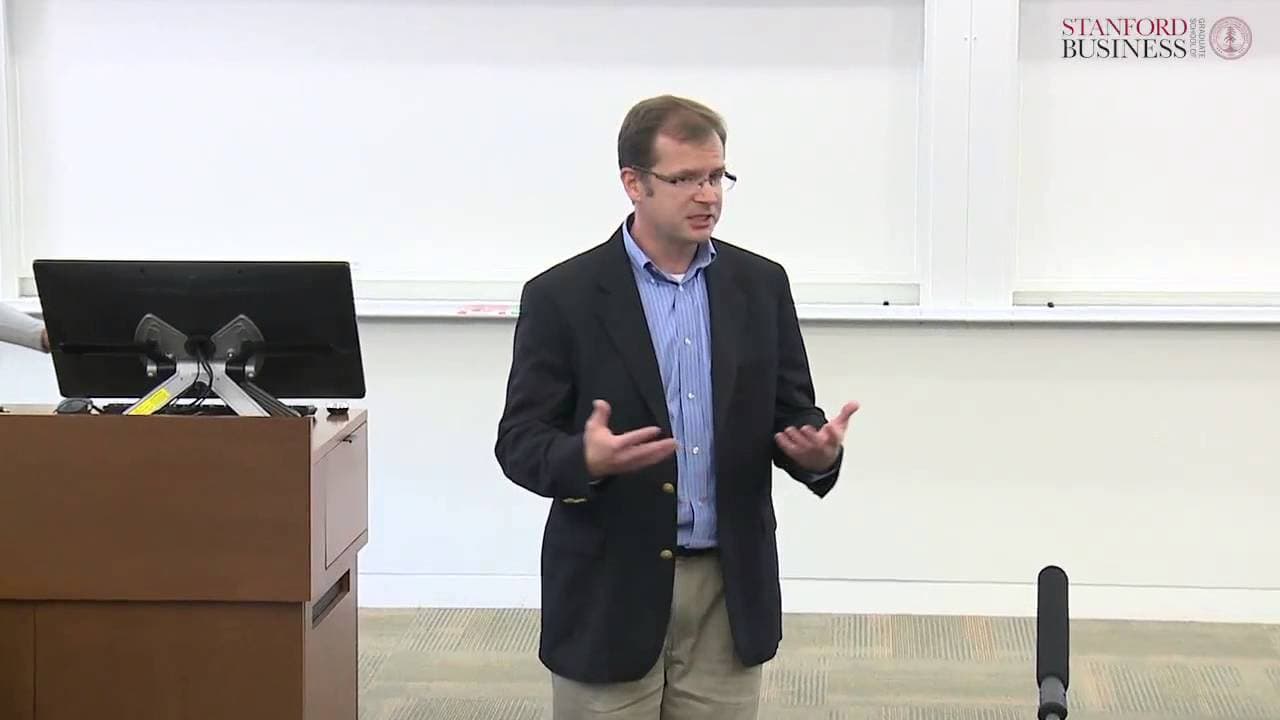
[MUSIC] Look at this chart. The figures show percent changes in maternal mortality over a century long period, starting in 1784. And if you focus on AKH Vienna, you'll see that there was actually a precipitous drop somewhere in the mid-century. When we isolate for several factors, we discover that it probably had something to do with the discovery ... Read More
Key Insights
- A speaker has about ten seconds to make a good first impression, according to the studies referenced in the talk. If the first slide and opening sentences fail to capture attention, audience members may quickly stop listening.
- A story is an effective opening because human brains are wired for storytelling. A well-chosen narrative builds a connection between the speaker and audience while making the presentation more memorable, relevant, and emotionally engaging.
- An effective opening quotation is short, relevant, provocative, and not overused. Its impact can increase when it comes from an authority connected to the subject, as demonstrated by the quotation used to introduce a talk about HIV.
- A question engages listeners by prompting them to consider their own response. Giving the audience time to think can make the presentation feel personally relevant, as shown by questions about stress experienced during the previous year.
- A conclusion is important because the speaker's final words are what listeners may remember as they leave. It should therefore contain the central message, keeping the presentation's intended takeaway fresh in the audience's mind.
- Hope for a better future is one effective closing technique. The talk uses the final line of the Gettysburg Address to show how an optimistic message can remain memorable even when the larger subject is dark and painful.
- Selling the benefits means clearly repeating what the audience will gain. Steve Jobs's phrase about having 1,000 songs in a pocket is presented as an example of reinforcing a product's benefit until listeners understand and remember it.
- A call to action gives the audience a specific instruction to carry forward. Whether the requested action is learning CPR, submitting a self-critique on time, or washing hands before surgery, it should remain simple and easy to remember.
Install to Summarize YouTube Videos and Get Transcripts
Explore YouTube Video Summarizer or Get YouTube Transcript Extractor
Questions & Answers
Q: How should you open a talk to capture attention?
Open with one strong attention device: a story, a short and relevant quotation, or a question that invites the audience to think. The talk states that a speaker has about ten seconds to make a good first impression, so the first slide and opening sentences must engage listeners quickly. Using even one of these techniques can make the presentation more memorable, impactful, and engaging.
Q: Why is storytelling effective at the start of a presentation?
Storytelling works because human brains are wired for stories, which help create a connection between the audience and the speaker. The improved hospital presentation begins by asking listeners to imagine being a pregnant woman in Vienna in 1849. Sensory details, danger, and a personal perspective transform mortality statistics into an experience, making the subject more vivid, memorable, and emotionally relevant.
Q: What makes a quotation effective as a speech opening?
An effective opening quotation should be short, relevant to the subject, provocative, and not overused. The talk highlights a TED opening about HIV that used a striking quotation from an authority on the topic. Its brevity and direct connection to the subject created immediate impact. A quotation should support the presentation's purpose rather than serve as a decorative or familiar phrase.
Q: How can a question improve the opening of a talk?
A question engages audience members by asking them to form a response instead of passively receiving information. The presentation cites questions about how much stress listeners had experienced during the previous year. Allowing time to think made the subject personally relevant. The technique works best when the question connects directly to the topic and genuinely invites reflection from the audience.
Q: How should you close a presentation effectively?
Close by returning to the central message and using one of three techniques: offer hope for a better future, emphasize the benefits, or provide a call to action. The ending deserves careful preparation because the final words remain fresh in the audience's mind as listeners leave. A strong conclusion makes the intended takeaway clear, memorable, and connected to the presentation's purpose.
Q: What does it mean to sell the benefits in a conclusion?
Selling the benefits means stating clearly what the audience will gain and repeating that value in memorable language. The talk uses Steve Jobs's phrase about putting 1,000 songs in a pocket as its example. Repeating the phrase ensured that listeners understood the benefit associated with the iPod nano. The closing focuses attention on practical value rather than leaving the audience with disconnected details.
Q: What makes a good call to action at the end of a speech?
A good call to action gives listeners a specific instruction that they can understand, remember, and carry out. The talk offers examples such as learning CPR, submitting a self-critique on time, and washing hands before surgery. Whatever the subject, the requested action should be simple and easy to remember so the audience leaves knowing exactly what it should do next.
Q: Why does communication matter in the story of Ignaz Semmelweis?
Semmelweis discovered that sharing medical equipment between corpses and women giving birth caused infections that killed mothers, helping reduce maternal mortality from one in five to one in 50. However, he waited ten years to publish, faced rejection because his findings lacked a basis in current theory, and accused colleagues of murder. His story shows that being right does not guarantee successful persuasion.
Summary
This video discusses the importance of strong openings and closings in presentations. It emphasizes the need to capture the audience's attention within the first few seconds and leave a lasting impression at the end. The video provides examples of different techniques, such as storytelling, using quotes, and asking questions, to engage the audience in the beginning. It also highlights the significance of having a clear central message in the conclusion and suggests ending with hope for a better future, selling the benefits, or including a call to action.
Questions & Answers
Q: Why are openings so important in a presentation?
Openings are crucial in a presentation because multiple studies have shown that we have about ten seconds to make a good first impression. If our first slide and the initial sentences of our speech fail to capture the audience's attention, we will likely lose them.
Q: What are some techniques to open a speech effectively?
Three techniques to open a speech and capture the audience's attention are:
- Opening with a story: Stories create a connection between the speaker and the audience, making the speech more memorable.
- Beginning with a quote: Quotes that are short, relevant, provocative, and not overused can have a powerful impact, especially when they come from an authority on the subject.
- Starting with a question: By asking questions and giving the audience time to think of a response, the speaker can engage the listeners and make the talk more relevant to them.
Q: Is it necessary to use all three opening techniques mentioned?
It is not necessary to use all three techniques in a speech. Incorporating just one of these elements into the talk can help capture the audience's attention, make the presentation more memorable, impactful, and engaging right from the start.
Q: How did the discovery of the infectious properties of medical equipment affect maternal mortality rates?
The discovery of the infectious properties of medical equipment by Dr. Ignaz Semmelweis caused a major drop in maternal mortality rates. Previously, sharing medical equipment from corpses to live women giving birth caused infections, resulting in a high mortality rate of one in five women in Vienna in 1849. However, with the implementation of antiseptic practices based on this discovery, maternal mortality rates dropped to one in fifty.
Q: What happened to Dr. Ignaz Semmelweis after publishing his results?
Unfortunately, Dr. Ignaz Semmelweis faced rejection from the medical community when he published his results. His findings, which had no basis in the current medical theory, were not accepted. He criticized his colleagues, accusing them of murder, which led to his colleagues conspiring against him and having him committed to a mental institution. Tragically, he died two weeks later due to an infection.
Q: Why are strong closings important in a presentation?
Strong closings are just as essential as openings in a presentation. The last words spoken by the presenter are what the audience remembers when they leave the room. Therefore, a conclusion should contain the central message of the presentation and leave it fresh in the listeners' minds.
Q: What techniques can be used to end presentations effectively?
Three techniques suggested by Karia to end presentations effectively are:
- End with hope for a better future: Leaving the audience with a message of hope can have a lasting impact, just like Abraham Lincoln's famous quote at the end of the Gettysburg Address.
- Sell the benefits: By emphasizing the benefits or advantages of the topic being presented, the audience is more likely to remember the key message. For example, Steve Jobs repeating the phrase "1,000 songs in your pocket" during an Apple product launch.
- Call to action: A conclusion should include instructions for the audience to act upon. Whether it's to learn CPR, submit self-critiques on time, or practice good hygiene, a simple and memorable call to action encourages listeners to take away and apply what they've learned.
Q: Why do we often neglect strong closings in presentations?
We often spend a considerable amount of time and effort on designing and preparing the beginning of a presentation but rush through and forget about the ending. However, the conclusion is what the audience remembers as they leave, so it is important to give it significant attention and ensure it contains the central message.
Q: How does effective communication impact our effectiveness as business people?
Effective communication plays a vital role in our effectiveness as business people. The story of Dr. Ignaz Semmelweis serves as a reminder that even if we are right, we may fail to persuade others if we lack effective communication skills. How we communicate can make a significant difference, and while our lives may not depend on it, our effectiveness in the business world certainly does.
Q: What is the main takeaway from the video?
The main takeaway is that the opening and closing of a presentation are crucial for capturing and maintaining the audience's attention. Strong openings help to establish a connection with listeners, while effective closings leave a lasting impression. Examples and techniques are provided for both, emphasizing the importance of a clear and impactful central message in the conclusion. Overall, this video highlights how communication skills significantly impact our effectiveness as business people.
Takeaways
Strong openings and closings in presentations are essential for capturing and maintaining the audience's attention. We have about ten seconds to make a good first impression, so the opening should engage the audience with storytelling, quotes, or questions. Additionally, the conclusion should contain the central message and be memorable, using techniques like offering hope for the future, highlighting benefits, or including a call to action. Effective communication is crucial for persuading others, and neglecting the closing can undermine the impact of a presentation. Communication skills are vital for success in the business world.
Summary & Key Takeaways
-
Effective openings immediately connect the subject to the audience instead of beginning with dense charts, unexplained figures, or detached analysis. A story creates connection and memorability, a short and provocative quotation adds authority, and a relevant question invites participation. A speaker needs only one of these techniques to improve an introduction.
-
Effective conclusions deserve as much preparation as introductions because the final words remain fresh in listeners' minds. A conclusion should restate the central message and may offer hope, repeat the audience's main benefit, or give a straightforward call to action. The closing should make the intended takeaway unmistakable and memorable.
-
The story of Ignaz Semmelweis illustrates that correct findings are not enough when communication fails to persuade. His antiseptic practices reduced maternal mortality, yet his delayed publication, rejection by the medical community, and hostile treatment of colleagues weakened his influence. Professional effectiveness therefore depends partly on communicating ideas convincingly.
Read in Other Languages (beta)
Share This Summary 📚
Summarize YouTube Videos and Get Video Transcripts with 1-Click
Try YouTube Summary with ChatGPT & Claude or YouTube Transcript Generator
Explore More Summaries from Stanford Graduate School of Business 📚



Summarize YouTube Videos and Get Video Transcripts with 1-Click
Try YouTube Summary with ChatGPT & Claude or YouTube Transcript Generator