How does stress and personality influence chronic disease outcomes?
TL;DR
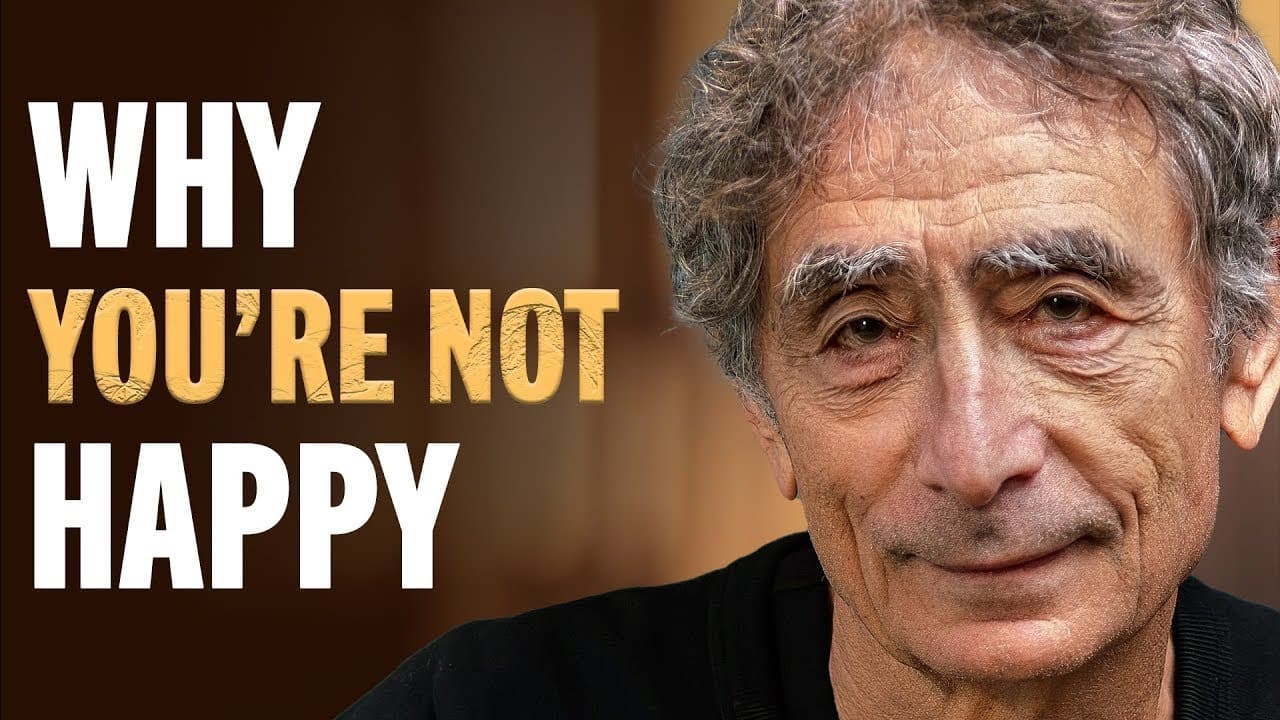
Awareness of emotional patterns is the first key step to understanding illness. Certain personality traits, like care for others at the expense of oneself, rigid duty, and suppressed anger, can accompany chronic disease and may be changed to improve well being. Disease can also act as a teacher, guiding authentic self change and healthier relationships with self and others.
Transcript
I think one of the most powerful things that gives people is awareness because everyone wants to jump from awareness to what do I do now and and and I think we underestimate just how powerful that first step is yeah just to be oh that's why I behaved like that oh I had no idea you know I guess we're blind until we're not we're unaware until we're n... Read More
Key Insights
- Awareness is the first powerful step that helps people see patterns in their life they were unaware of.
- People who consistently prioritize others' emotional needs over their own are more likely to develop chronic illness.
- A rigid identification with duty and responsibility can contribute to stress and health problems over time.
- Repression of healthy anger creates boundary issues that can undermine body and mind.
- Two fatal beliefs, feeling responsible for others’ feelings and never disappointing anyone, are linked to illness patterns.
- Traits are adaptive responses to environment, not fixed flaws, and can be changed with insight.
- Disease is not just a physical problem but can act as a teacher guiding self examination and growth.
- Spiritual and psychosocial approaches are important complements to biomedical care and can enhance healing in many cases.
Install to Summarize YouTube Videos and Get Transcripts
Explore YouTube Video Summarizer or Get YouTube Transcript Extractor
Questions & Answers
Q: What is the basic idea behind linking personality to chronic disease in this discussion?
The basic idea is that personality traits and patterns develop as adaptations to environment and early experiences, and these patterns can influence how the body handles stress. While not claiming a single cause, the speaker notes that certain traits correlate with a higher likelihood of chronic illness. Acknowledging this allows patients to transform these traits, potentially impacting their health and healing journey.
Q: Which personality traits are associated with chronic illness according to the interview?
The interview identifies several traits: automatic concern for the emotional needs of others while suppressing one’s own, rigid identification with duty and responsibility, repression of healthy anger, and beliefs that one is responsible for others’ feelings or must never disappoint anyone. These traits are described as patterns that can predispose individuals to stress and illness rather than being innate flaws.
Q: How does the speaker describe the role of anger in health?
Healthy anger is described as a boundary defense that says no, you are in my space, and then it should subside. The absence of this boundary defense can lead to persistent stress and vulnerability to illness. The speaker emphasizes that letting anger out in a controlled way protects one from being overwhelmed by others’ demands and can reduce health risks.
Q: What is meant by disease as a teacher in this context?
Disease as a teacher means looking at illness not just as something to be eradicated but as an invitation to examine how a person might not be living authentically. The idea is that certain patterns developed to adapt to environment may no longer serve a person, and learning from illness can guide changes in self-relationship and behavior to improve well being.
Q: What is the difference between blame and understanding in this framework?
The framework rejects blame, affirming that individuals did not choose to suppress themselves or to prioritize others at their own expense. Instead, it emphasizes understanding how unconscious adaptations emerged and how changing these patterns can support healing, while recognizing that one is not at fault for having developed those patterns.
Q: How do researchers like Jeff Rediger relate to the idea of spontaneous healing in this discussion?
Jeff Rediger, described as a physician and researcher, studies cases of spontaneous healing where terminal diagnoses were overturned or prolonged. The discussion highlights that these healings often involve significant life changes, including shifts in relationship to self, and suggests that transformation and altered self relationship can contribute to remarkable health outcomes.
Q: What role does spirituality or meaning play in healing according to the talk?
Spirituality and meaning are presented as important supplements to biomedical care. They can support agency, reduce self blame, and encourage integration of mind, body, and community. While not claimed as universal cures, such approaches are shown to be part of many successful pathways to healing by fostering authentic living and supportive relationships.
Q: Why is it important to avoid blaming the patient when discussing illness patterns?
Avoiding blame is important because these patterns are adaptive responses from early life and environmental influences, not personal faults. Blame can hinder self-compassion and healing, while understanding and agency empower people to change behaviors and relationships. This perspective supports informed self-advocacy within medical care and encourages constructive changes.
Summary & Key Takeaways
-
This summary explains that awareness of patterns is crucial and highlights traits associated with chronic illness, emphasizing that these traits are not innate to a person but adaptations to an environment. It also notes that recognizing and transforming these patterns can influence health outcomes and personal growth. The discussion frames illness as a potential teacher rather than a punishment.
-
The summary describes how patients may experience a conflict between caring for others and neglecting themselves, and how this dynamic relates to conditions like autoimmune disease, fatigue, and inflammatory issues. It emphasizes the importance of boundaries, authentic living, and addressing emotional needs as part of healing.
-
The summary reinforces the idea that spirituality and meaning, while not central to every case, can play a role in healing by supporting self agency, reducing self blame, and encouraging a more integrated approach to mind, body, and community.
Read in Other Languages (beta)
Share This Summary 📚
Summarize YouTube Videos and Get Video Transcripts with 1-Click
Try YouTube Summary with ChatGPT & Claude or YouTube Transcript Generator
Explore More Summaries from Dr Rangan Chatterjee 📚




Summarize YouTube Videos and Get Video Transcripts with 1-Click
Try YouTube Summary with ChatGPT & Claude or YouTube Transcript Generator