Is a Vegan Diet Healthy and Better for Earth?
TL;DR
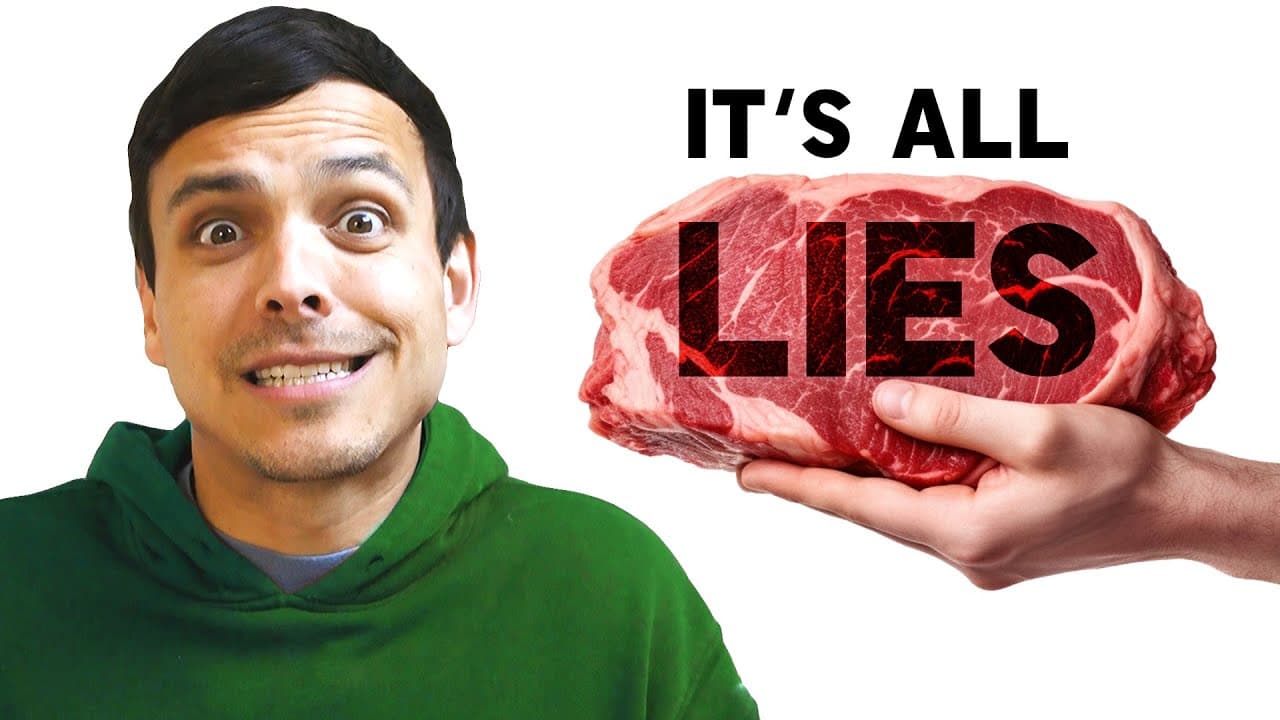
A vegan diet substantially reduces environmental impact and can support good health when it is carefully planned. Plant foods can provide ample protein, but vitamin B12 cannot be obtained from vegetables and may require supplements or fortified foods. Research associates vegan diets with several health benefits, although concerns about nutrient deficiencies, fractures, and athletic performance remain nuanced or unresolved.
Transcript
veganism has exploded in popularity across the world for some it's out of Sympathy For Animals but increasingly many are swapping diets due to the environmental and health claims but are these claims even accurate like does going vegan actually make a noticeable difference on the planet or are those impacts over exaggerated and is it even healthy a... Read More
Key Insights
- A vegan diet is environmentally preferable overall because it uses less land, conserves more water, and generates fewer greenhouse gases than omnivorous and vegetarian diets, although individual plant-based products can differ substantially in their resource demands.
- Reducing meat and dairy consumption is environmentally useful even without becoming fully vegan. The dietary choice does not have to be treated as all or nothing, because partial reductions can still decrease an individual's impact on the planet.
- Humans have eaten meat for millions of years despite descending from plant-eating ancestors. Fossil evidence and evolutionary theories suggest meat became a regular dietary supplement when changing environments reduced access to plants that ancestral humans could digest.
- Plant foods can supply enough protein through whole grains, nuts, beans, legumes, and pulses. The transcript says protein deficiency is extremely rare for most people and is more closely associated with consuming too few total calories than with avoiding meat.
- Vitamin B12 is absent from vegetables and is essential for normal biological functioning. Low levels can affect energy, mood, and brain function, so vegans commonly need supplements or fortified foods to prevent a deficiency.
- Bone health findings in vegans are unresolved because some research reports more fractures even after accounting for calcium intake, while comparisons involving dairy consumption across and within countries do not show a consistent connection between milk intake and fracture rates.
- Vegan diets are associated with lower cholesterol and reduced likelihood of high blood pressure, obesity, type 2 diabetes, certain cancers, and cardiovascular disease. Their abundance of fruits, vegetables, legumes, antioxidants, phytonutrients, and nitrates may contribute to these outcomes.
- A well-planned vegan diet can meet the nutritional requirements of endurance athletes, but available evidence does not establish that it improves performance beyond an omnivorous diet. Proposed benefits involving immunity, recovery, blood flow, and oxygen transport still require stronger research.
Install to Summarize YouTube Videos and Get Transcripts
Explore YouTube Video Summarizer or Get YouTube Transcript Extractor
Questions & Answers
Q: Is a vegan diet better for the environment?
A vegan diet is better for the environment overall because it generally uses less land, conserves more water, and produces fewer greenhouse gases than omnivorous or vegetarian diets. Not every vegan food has the same footprint, and almond milk is presented as a plant-based option requiring relatively large amounts of water. Even so, replacing or reducing meat and dairy can significantly lower personal environmental impact.
Q: Can vegans get enough protein without eating meat?
Vegans can obtain substantial protein from whole grains, nuts, beans, legumes, and pulses. According to the transcript, protein deficiency is extremely rare for most people unless they are not consuming enough calories overall. Avoiding animal products therefore does not automatically create a protein shortage, although a vegan diet still needs thoughtful food choices to meet its broader nutritional requirements.
Q: Why do vegans need to pay attention to vitamin B12?
Vitamin B12 is required for normal biological processes, but vegetables do not contain it. Animal foods such as beef, pork, poultry, fish, and eggs provide the vitamin, making deficiency a notable concern for vegans and vegetarians. Low vitamin B12 can affect brain function, energy, and mood, and severe deficiency can cause hallucinations. Supplements and fortified foods can help prevent these problems.
Q: Does veganism increase the risk of broken bones?
Some research described in the transcript found that vegans were more likely to experience bone fractures than non-vegans, even when calcium intake was considered. However, broader comparisons of dairy consumption and fractures produced inconsistent findings. Because calcium is available from kale, bok choy, broccoli, and fortified foods, the observed risk may involve another environmental or situational factor that researchers have not yet identified.
Q: Is dairy necessary for strong bones?
Dairy is not the only available source of calcium, although cow's milk naturally contains calcium that the body absorbs easily. Kale, bok choy, broccoli, fortified orange juice, and fortified cereal can also contribute calcium. Research discussed in the transcript does not show a clear, consistent relationship between milk consumption and fracture rates among adults, but findings involving children more clearly favor milk consumption.
Q: What health benefits are associated with a vegan diet?
Vegan diets are associated with lower cholesterol and a reduced likelihood of high blood pressure, obesity, type 2 diabetes, certain cancers, and cardiovascular disease, as well as greater longevity. Fruits, vegetables, and legumes provide antioxidant phytonutrients and nitrates, while some animal products contain more pro-inflammatory fats. These anti-inflammatory qualities may also help minimize symptoms of some autoimmune diseases.
Q: Does becoming vegan automatically make a person healthier?
Becoming vegan does not automatically create a healthy diet because vegan junk food and heavily processed options can still support poor eating habits. Vegans also tend to smoke less, drink less alcohol, and exercise more, so lifestyle differences may partly explain their better average health outcomes. Careful planning remains important to obtain vitamin B12, iron, omega fatty acids, calcium, and other necessary nutrients.
Q: Can a vegan diet improve athletic performance?
A well-planned vegan diet can meet the nutritional needs of endurance athletes, making it at least comparable with an omnivorous diet for basic nutritional adequacy. Plant foods such as beetroot contain nitrates that may assist blood flow and oxygen transport, while veganism may support immunity and recovery. However, the transcript emphasizes that current evidence is insufficient to establish superior athletic performance, and research remains ongoing.
Summary & Key Takeaways
-
Vegan diets generally require less land and water and produce fewer greenhouse gas emissions than omnivorous or vegetarian diets. Individual foods still vary in their environmental footprint, as illustrated by the relatively high water requirements of almond milk. Reducing meat and dairy can also lower environmental impact without requiring complete dietary exclusion.
-
Humans descended from largely plant-eating primates, but ancestral humans began consuming meat millions of years ago, possibly after environmental changes reduced access to digestible plants. This history does not prove that modern people require meat. Whole grains, nuts, and beans can provide substantial protein, while inadequate calories are a more common protein concern.
-
A carefully planned vegan diet may lower cholesterol and is associated with reduced risks of several chronic conditions. However, it does not automatically guarantee good health because processed vegan foods can still produce a poor diet. Vitamin B12, iron, omega fatty acids, calcium, and possible fracture risks require particular attention.
Read in Other Languages (beta)
Share This Summary 📚
Summarize YouTube Videos and Get Video Transcripts with 1-Click
Try YouTube Summary with ChatGPT & Claude or YouTube Transcript Generator
Explore More Summaries from AsapSCIENCE 📚


Summarize YouTube Videos and Get Video Transcripts with 1-Click
Try YouTube Summary with ChatGPT & Claude or YouTube Transcript Generator