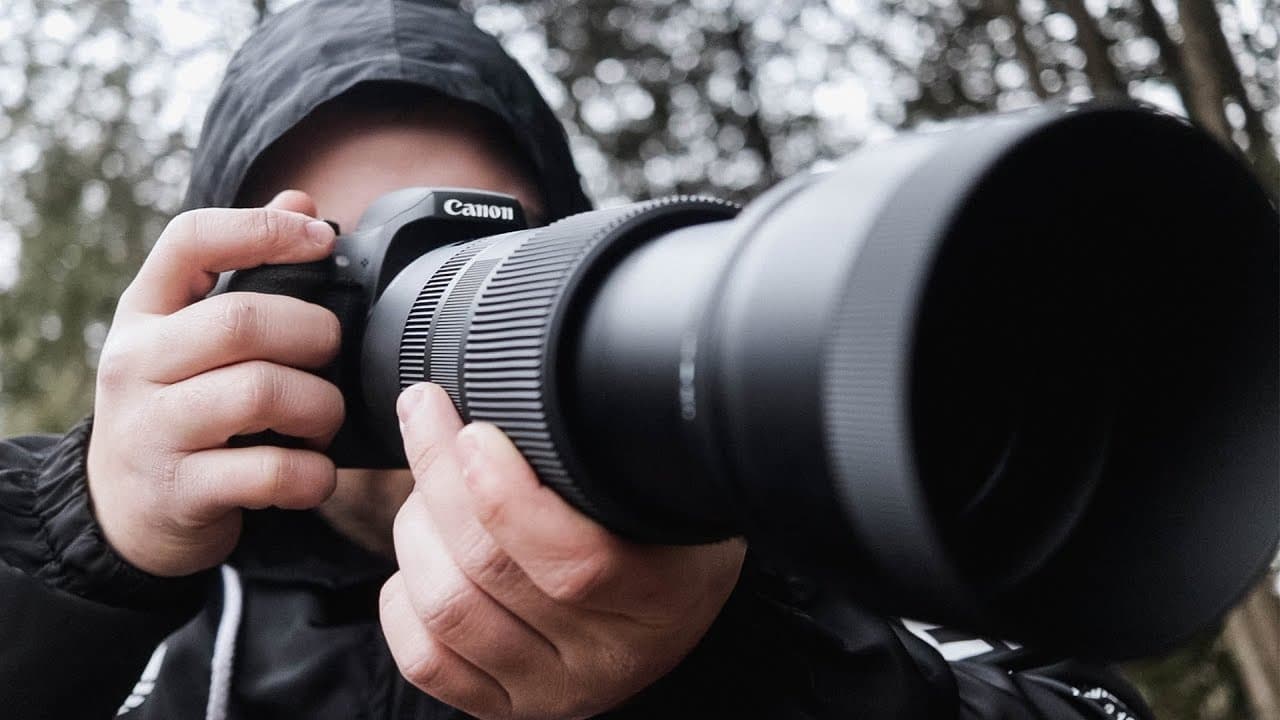
3 EASY WAYS TO IMPROVE YOUR VIDEO/B-ROLL!
TL;DR
Learn three effective techniques to enhance your b-roll footage quality.
Transcript
what's going on YouTube my name is David Hammond and today we were speaking about three techniques or tips you can use to help improve your b-roll clips your video clips whatever you're trying to get okay so let's get straight to this number one that is going to be flow all right now what I say to friends or clients or really anyone I'm shooting is... Read More
Key Insights
- 🫵 Flow between shots enhances the narrative coherence of videography by avoiding abrupt transitions, thus improving viewer experience.
- 🎮 Utilizing a variety of shot types is essential for maintaining visual interest and engagement in video content.
- ❤️🩹 The importance of a powerful ending shot cannot be understated; it leaves a lasting impression on the audience.
- 🎑 Implementing movement in scenes can enhance the feeling of transition and connection between different video elements.
- 🔺 The diversity of shot angles—such as high-angle and low-angle shots—can add depth and perspective to storytelling.
- 😚 Close-up shots can create emotional resonance, helping viewers connect with the subject on a more personal level.
- 💐 Simple adjustments, like including walking shots, can significantly enhance the overall flow and execution of b-roll footage.
Install to Summarize YouTube Videos and Get Transcripts
Explore YouTube Video Summarizer or Get YouTube Transcript Extractor
Questions & Answers
Q: What does "flow" mean in the context of b-roll?
"Flow" refers to the seamless transition between different shots or locations in a video. Instead of abruptly changing scenes, it's recommended to include some movement shots, like walking, to enhance continuity and keep the viewer engaged. For instance, transitioning from a waterfall to a nearby mountain can be smoother if you show movement between the two.
Q: Why is it important to vary shot types in b-roll?
Varying shot types—such as wide shots, close-ups, and different angles—adds visual interest and helps keep the audience engaged. By mixing up the perspective, you provide a more dynamic experience. For example, capturing both a distant landscape and an intimate close-up of a tree creates a richer storytelling experience.
Q: How can I create a powerful ending shot?
A powerful ending shot is crucial as it is often the last image the audience remembers. You can achieve this by capturing a significant moment, like a close-up of a subject's face, or saving your best landscape shot for the end. This shot should resonate emotionally with the audience and encapsulate the essence of the video.
Q: Can you suggest ways to achieve flow between shots?
To achieve flow, you can incorporate elements such as walking scenes or even slow pans that guide viewers from one location to another. For example, if you have footage of someone at a scenic location, follow them as they walk to another area instead of cutting directly to an unrelated scene, which can feel disjointed.
Summary & Key Takeaways
-
The first technique emphasizes the importance of "flow" in transitioning between shots, avoiding jarring changes in location that disrupt viewer engagement.
-
The second technique advocates for using a variety of shot types—wide, close-up, high, and low—to create visual interest and maintain audience attention throughout a video.
-
The final technique highlights the significance of a strong ending shot, as it leaves a lasting impression on viewers, showcasing the most powerful or emotional moment of the video.
Read in Other Languages (beta)
Share This Summary 📚
Summarize YouTube Videos and Get Video Transcripts with 1-Click
Try YouTube Summary with ChatGPT & Claude or YouTube Transcript Generator
Explore More Summaries from davidhammond 📚



Summarize YouTube Videos and Get Video Transcripts with 1-Click
Try YouTube Summary with ChatGPT & Claude or YouTube Transcript Generator