Stanford 2021 Year in Review
TL;DR
During the peak of the pandemic, over 60% of working days were spent working from home, with the number gradually dropping but still remaining high. The content also discusses the challenges of returning to campus, the concept of post-traumatic growth, and the opportunity to reassess values and shape our lives.
Transcript
during the pandemic at its very peak in may just over 60 percent of working days were working from home so i mentioned that 42 of people were working from home there was like something like 26 percent on business premises states was the entire pool of people working so of that pool roughly 60 something percent of days were working from home so at j... Read More
Key Insights
- 💦 During the peak of the pandemic, over 60% of working days were spent working from home, showing a significant shift in work dynamics.
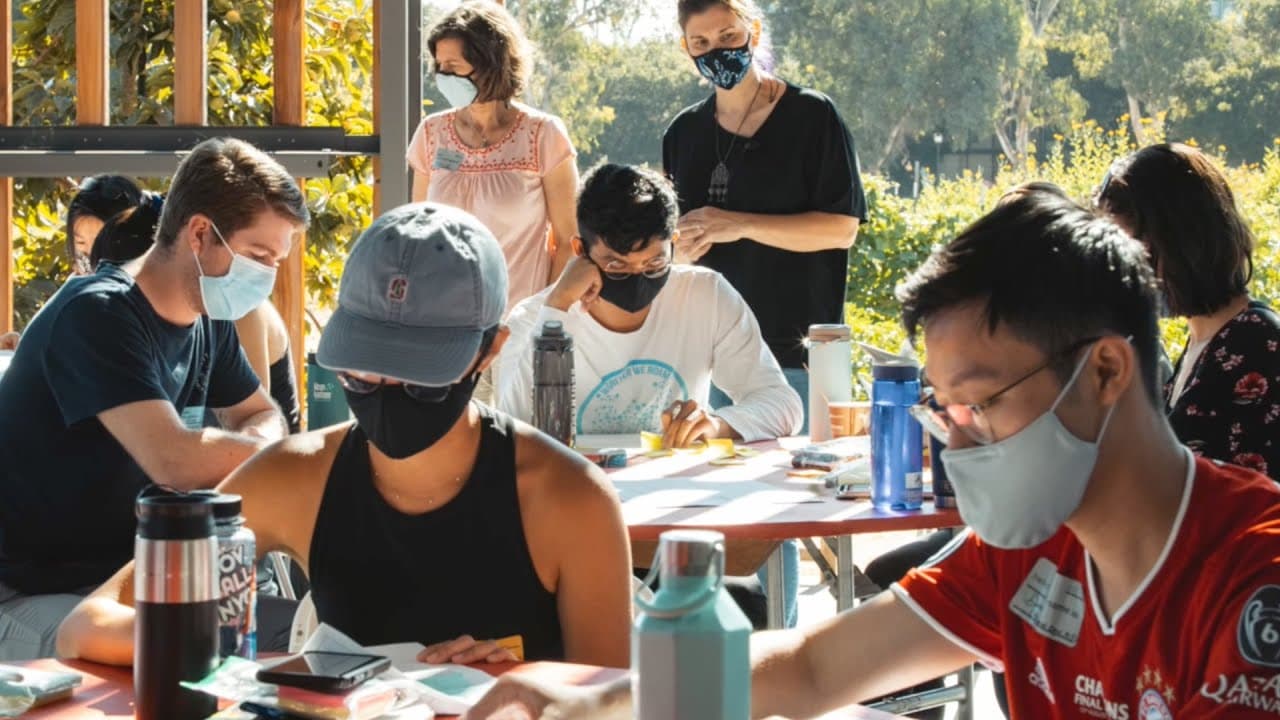
- 🦺 Returning to campus has been challenging, but strict guidelines ensure safety.
- 🤪 The concept of post-traumatic growth highlights the potential for personal growth and rebuilding after going through trauma.
- 🛟 This time has provided an opportunity for individuals to reassess their values and shape their lives accordingly.
- 🤯 Building community and tapping into the brilliant minds around us can contribute to shaping a better world.
- 😷 Stanford Medicine plays a crucial role in making the world a better place through medical research and technological innovation.
- 😤 Celebrating the team behind Stanford Medicine during the holiday season showcases the collective effort to improve healthcare.
Install to Summarize YouTube Videos and Get Transcripts
Explore YouTube Video Summarizer or Get YouTube Transcript Extractor
Questions & Answers
Q: What percentage of working days were spent working from home during the pandemic peak?
During the pandemic peak, just over 60% of working days were spent working from home, which was a significant increase compared to the previous numbers.
Q: How has returning to campus been for students?
Returning to campus has been difficult for students, but they are managing with the strict guidelines set by the county and the school to ensure their safety and the safety of others.
Q: What is post-traumatic growth?
Post-traumatic growth, or PTG, is a lesser-known concept that refers to the idea that surviving trauma can lead to personal growth and rebuilding a better life. It doesn't mean that trauma is a good thing, but it shows how individuals can find meaning and reevaluate what matters to them.
Q: How has living through this time provided an opportunity for reassessment?
Living through this time has given each of us a unique opportunity to reassess our values and what truly matters to us. It allows us to shape our lives based on the knowledge gained during this period and make contributions to the world.
Summary & Key Takeaways
-
During the pandemic peak, around 60% of working days were spent working from home, a significant increase compared to pre-pandemic times.
-
Returning to campus has been challenging, but strict guidelines are in place to ensure safety.
-
The concept of post-traumatic growth highlights how surviving trauma can lead to reassessing values and building a better life.
Read in Other Languages (beta)
Share This Summary 📚
Summarize YouTube Videos and Get Video Transcripts with 1-Click
Try YouTube Summary with ChatGPT & Claude or YouTube Transcript Generator
Explore More Summaries from Stanford 📚




Summarize YouTube Videos and Get Video Transcripts with 1-Click
Try YouTube Summary with ChatGPT & Claude or YouTube Transcript Generator