What Are the Latest Advances in Alzheimer's Diagnosis?
TL;DR
Recent advancements in Alzheimer's diagnosis include a promising blood test being developed in Sweden for easy primary care use, and eye examinations that analyze the retina for early brain health indicators. Additionally, home-based cognitive assessments are being created to monitor cognitive capabilities, enhancing early detection and ongoing management of Alzheimer's disease.
Transcript
alzheimer's is a terrible disease affecting one out of nine people over 65. if we want to stop alzheimer's one of the most valuable things we can do right now is develop a reliable affordable and accessible diagnostic the most likely to be precise is to look in your blood like the blood test being developed at the university of gothenburg in sweden... Read More
Key Insights
- 🧠 Blood tests being developed at the University of Gothenburg in Sweden show promise in diagnosing Alzheimer's, providing a reliable and accessible diagnostic tool for primary care settings.
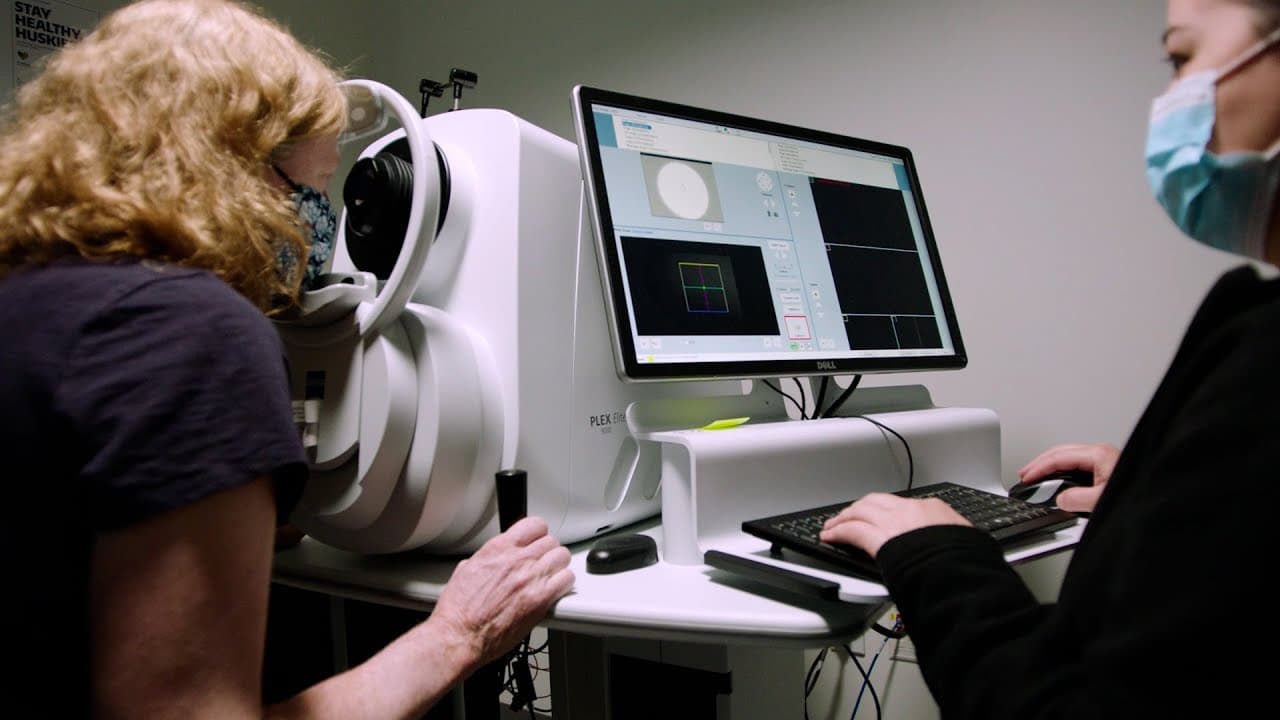
- 👀 Researchers at the University of Washington believe that the retina can serve as a window into the brain, potentially enabling the detection of Alzheimer's through retinal examination.
- 🤖 Machine learning is being utilized to diagnose Alzheimer's and even predict the future risk of developing the disease, leveraging the data collected from various diagnostic methods.
- 💻 Cog state, a company, is developing applications that allow individuals to assess their cognitive capabilities easily at home, potentially aiding in the early detection and monitoring of Alzheimer's.
- ⚕️ The ability to perform cognitive assessments at home multiple times over a decade can greatly contribute to improving the diagnosis and management of Alzheimer's disease.
- 🌍 Alzheimer's is a widespread disease, affecting one out of nine people over the age of 65, highlighting the urgent need for advancements in diagnostic tools and approaches.
- 💉 Developing a simple, affordable, and accessible diagnostic test for Alzheimer's is crucial to stop the progression of this devastating disease.
- 👁️ By understanding that the eyeball develops from the same neural tissue as the brain, researchers aim to identify alterations in the retina that reflect changes occurring in the brain of individuals with Alzheimer's.
Install to Summarize YouTube Videos and Get Transcripts
Explore YouTube Video Summarizer or Get YouTube Transcript Extractor
Questions & Answers
Q: How are researchers at the University of Gothenburg working towards an accessible diagnostic method for Alzheimer's?
Researchers at the University of Gothenburg in Sweden are developing a blood test for Alzheimer's that can be easily performed in primary care settings, providing a reliable and accessible diagnostic method. The goal is to have a simple test that doctors can easily administer and receive results within a few days.
Q: How can eye examinations potentially help in diagnosing Alzheimer's?
Eye examinations can potentially help in diagnosing Alzheimer's because the retina develops from the same neural tissue as the brain. Researchers at the University of Washington believe that the retina provides a window into the brain's health. By examining the retina, they hope to detect early signs of Alzheimer's and understand what is happening in the brain.
Q: How can cognitive assessments done at home aid in the diagnosis and monitoring of Alzheimer's disease?
Cognitive assessments done at home can provide valuable information for the diagnosis and monitoring of Alzheimer's disease. Cog State, a company, is developing applications that allow individuals to assess their cognitive capabilities in their own homes. These assessments can be done multiple times over the years, aiding in tracking any changes in cognition that may indicate Alzheimer's development or progression.
Q: What is the role of machine learning in the diagnosis and prediction of Alzheimer's?
Machine learning is being used in the diagnosis and prediction of Alzheimer's by analyzing data from various diagnostic methods. By studying patterns and identifying markers, machine learning algorithms can help diagnose Alzheimer's and even predict the future risk of someone developing the disease. This advancement in technology holds promise for early detection and intervention.
Summary & Key Takeaways
-
Researchers at the University of Gothenburg in Sweden are developing a blood test for Alzheimer's that could be easily performed in primary care, providing a reliable and accessible diagnostic method.
-
Another approach being explored is using eye examinations to detect Alzheimer's. The retina, which develops from the same neural tissue as the brain, may provide insight into brain health.
-
Cog State, a company, is developing applications for cognitive assessments that can be done at home, aiding in the diagnosis and monitoring of Alzheimer's disease.
Read in Other Languages (beta)
Share This Summary 📚
Summarize YouTube Videos and Get Video Transcripts with 1-Click
Try YouTube Summary with ChatGPT & Claude or YouTube Transcript Generator
Explore More Summaries from Bill Gates 📚





Summarize YouTube Videos and Get Video Transcripts with 1-Click
Try YouTube Summary with ChatGPT & Claude or YouTube Transcript Generator