What we learn before we're born - Annie Murphy Paul
TL;DR
Learning begins before birth through fetal experiences shaping development.
Transcript
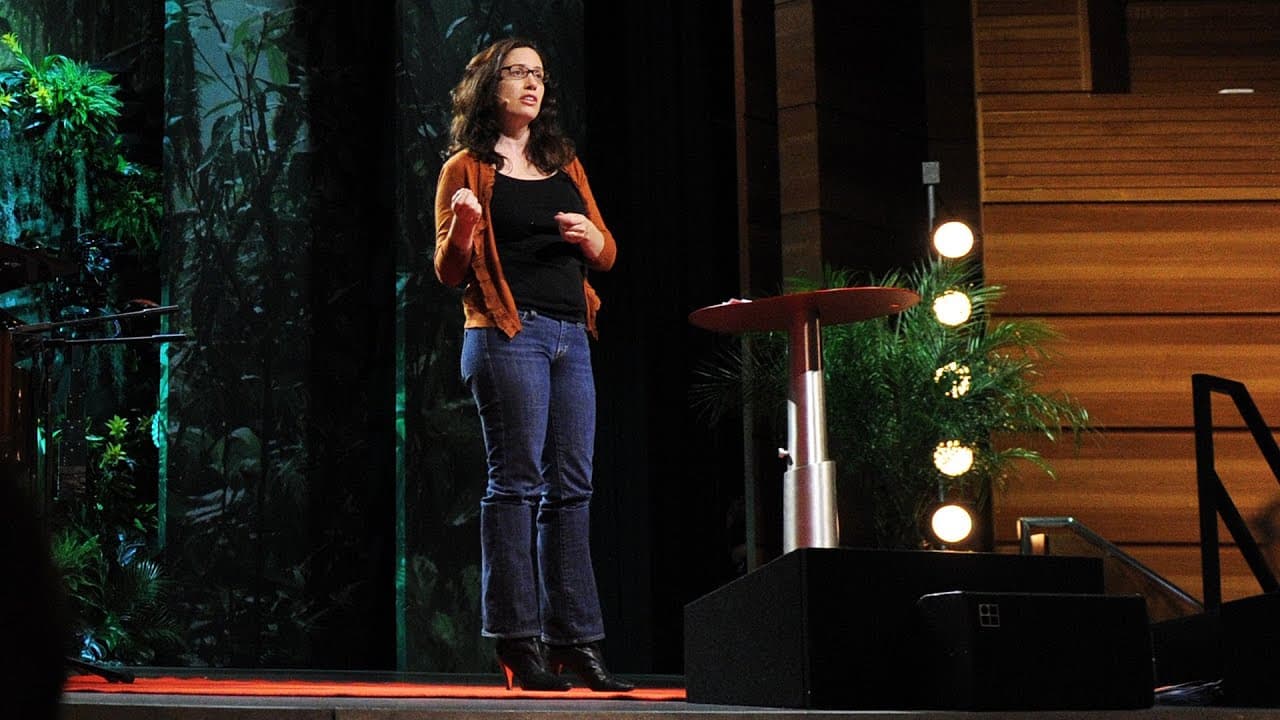
my subject today is learning and in that spirit I want to spring on you all a pop quiz ready when does learning begin now as you ponder that question maybe you're thinking about the first day of preschool or kindergarten the first time that kids are in a classroom with a teacher or maybe you've called to mind the toddler fades when children are lea... Read More
Key Insights
- 🧑⚕️ Fetal origins theory suggests prenatal experiences impact lifelong health and well-being.
- 🥳 Fetuses learn their mother's voice and prefer it post-birth, showing early recognition.
- 😋 Prenatal exposure to specific foods influences post-birth taste preferences, indicating early learning.
- 💠 Maternal influences, including diet and emotions, shape fetal development and learning.
- 😢 Fetal learning extends to recognizing language accents in cries, demonstrating prenatal language acquisition.
- 😋 Amniotic fluid transmits maternal flavors, influencing post-birth food preferences.
- 🌒 Fetal learning includes recognizing familiar scents through olfactory receptors.
Install to Summarize YouTube Videos and Get Transcripts
Explore YouTube Video Summarizer or Get YouTube Transcript Extractor
Questions & Answers
Q: How do fetuses learn in the womb?
Fetuses learn through experiencing the mother's voice, language, and tastes through sound transmission and amniotic fluid absorption, shaping preferences even before birth.
Q: Why is fetal learning important?
Fetal learning aids in survival and adaptation post-birth, helping infants recognize familiar sounds, tastes, and scents, creating early bonds and promoting language development.
Q: What role do maternal influences play in fetal learning?
Maternal influences, including diet, emotions, and experiences, are shared with the fetus, shaping its development, preferences, and future interactions with the world.
Q: How do prenatal experiences impact post-birth behaviors?
Prenatal experiences influence post-birth preferences, such as language accents in cries and food tastes, demonstrating the significant role of fetal learning in shaping early development.
Summary & Key Takeaways
-
Fetal origins theory suggests prenatal experiences impact lifelong health and learning.
-
Fetuses learn mother's voice, language, and tastes in the womb.
-
Maternal influences shape fetal development and learning, impacting post-birth preferences.
Read in Other Languages (beta)
Share This Summary 📚
Summarize YouTube Videos and Get Video Transcripts with 1-Click
Try YouTube Summary with ChatGPT & Claude or YouTube Transcript Generator
Explore More Summaries from TED-Ed 📚



Summarize YouTube Videos and Get Video Transcripts with 1-Click
Try YouTube Summary with ChatGPT & Claude or YouTube Transcript Generator