The Philosophy of Archer – Wisecrack Edition
TL;DR
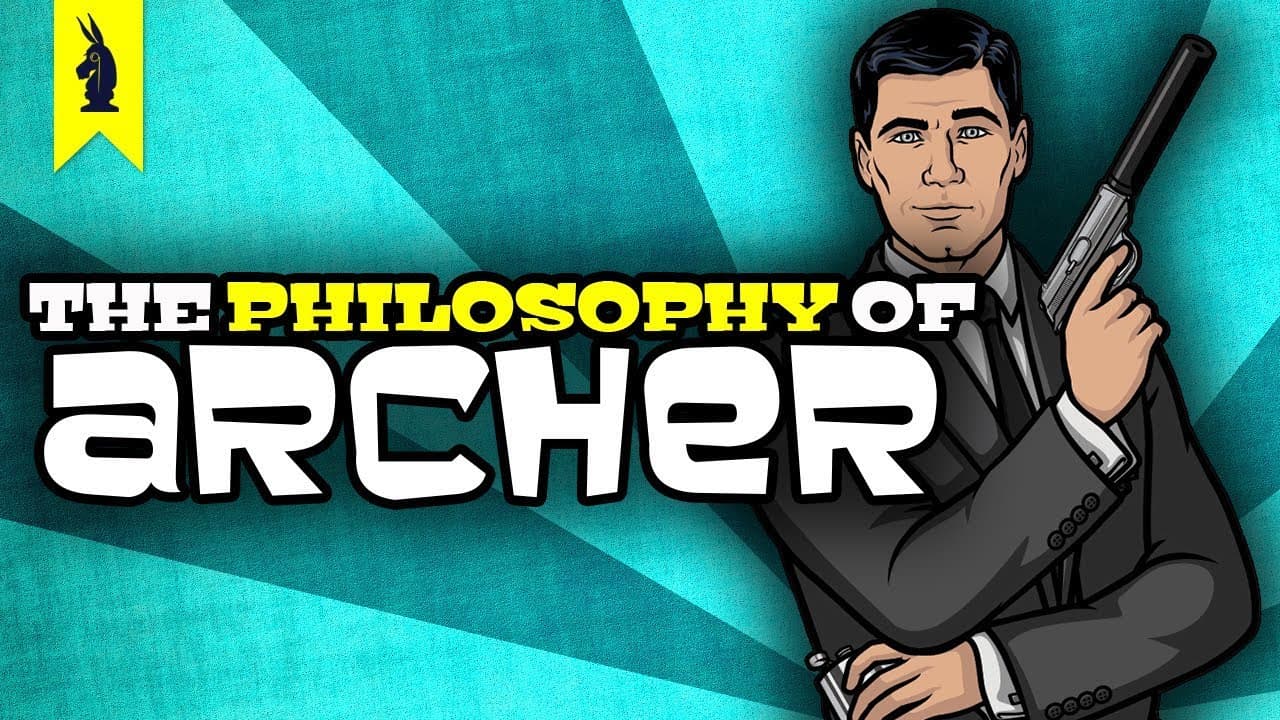
Archer humorously subverts traditional spy tropes, exploring masculinity and bureaucracy in espionage.
Transcript
Hey guys, Jared again. Today, we’re talking about your favorite ocelet enthusiast "Sterling Malory Archer!" and his crew of snarky, foul-mouthed spies. "Jesus Christ, gasp, sht, gasp, god dmmit" Archer has sustained 8 seasons worth of comedy, with the occasional drastic reboot. "So what we form a cartel?" "How hard could it be?" So what makes... Read More
Key Insights
- 😌 Archer's comedic essence lies in its subversion of classic spy tropes while reflecting modern issues of masculinity and bureaucracy.
- 😫 By contrasting mundane office tasks with thrilling espionage action, the show critiques the unrealistic expectations set by traditional spy narratives.
- ❓ The character depth is enhanced through the exploration of Archer's flaws and vulnerabilities, which are often highlighted by his chaotic lifestyle and relationships.
- 😒 The show uses linguistic humor to explore themes of communication, attention, and emotional repression, making humor both a source of entertainment and deeper meaning.
- 🦸 Through Cyril's character, Archer illustrates the often-overlooked significance of support roles in espionage, challenging the sole focus on hyper-masculine heroes.
- 😀 Health consequences faced by Archer serve to ground the humor in reality, showing the potential fallout from a lifestyle glorified in other spy narratives.
- ✊ The "phrasing" gag provides insight into communication barriers and power dynamics within relationships, particularly as they relate to Archer’s complex relationship with his mother.
Install to Summarize YouTube Videos and Get Transcripts
Explore YouTube Video Summarizer or Get YouTube Transcript Extractor
Questions & Answers
Q: What themes does Archer explore through its parody of the spy genre?
Archer explores themes of toxic masculinity, bureaucracy, and the absurdities of spy life. The show takes inspiration from James Bond but exaggerates Archer's character to critique the unrealistic expectations of masculinity. Through humor, it highlights how these ideals can lead to ironic and often humiliating situations that reveal deeper societal issues.
Q: How does Archer contrast the glamorous lifestyle often depicted in spy films?
Throughout the series, Archer juxtaposes high-octane action sequences with the unexciting realities of office bureaucracy, such as filing expense reports and dealing with HR. This contrast serves to ridicule the typical spy narrative where characters seem unburdened by mundane tasks. Archer's struggles with paperwork and authority serve as a humorous reminder that espionage is not as glamorous as portrayed in movies.
Q: In what ways does the character Cyril differ from the typical spy trope?
Cyril represents the often-ignored bureaucratic figure within spy narratives. While many spy films celebrate action heroes, Cyril is depicted as a competent paper-pusher, embracing the needs of order and regulation in espionage. His character demonstrates that not all agents are hyper-masculine adventure seekers, adding depth to the portrayal of agency life and subverting expectations of masculinity in the genre.
Q: What role does language play in the humor of Archer?
Language in Archer is pivotal, with frequent puns, misunderstandings, and double entendres driving much of the comedy. The characters often engage in verbal sparring, using sound and linguistic gags to create humor. This clever use of dialogue highlights character flaws, enhances their relationships, and serves as a medium to explore deeper themes like attention, power dynamics, and the inability to communicate effectively.
Q: How does the show address issues of health and mortality in relation to Archer’s lifestyle?
Archer humorously illustrates the unforeseen consequences of a secret agent lifestyle, such as health issues stemming from excessive drinking and reckless behavior. The show takes these themes to extremes, showcasing Archer's struggles with diseases that are often trivialized in traditional spy narratives. This subversion emphasizes the absurdity of the protagonist's lifestyle and the harsh realities that result from it, adding depth to the comedy.
Q: What is the significance of the recurring "phrasing" gag in Archer?
The "phrasing" gag encapsulates Archer's tendency to misinterpret language and distract from deeper conversations. It functions as a means for Archer to assert control and avoid vulnerability, often derailing discussions with sexual innuendo. This gimmick not only serves comedic purposes but also reflects Archer's psychological struggles, revealing how he grapples with intimacy and emotional connection, especially concerning his mother.
Summary & Key Takeaways
-
Archer is a comedic series that parodies traditional spy narratives, primarily influenced by James Bond, while often contrasting absurd action with mundane bureaucracy.
-
The show humorously critiques toxic masculinity, using Archer as a character who embodies hyper-masculine traits but ultimately highlights the follies and consequences of such a lifestyle.
-
Language and sound play a significant role in the series, reflecting deeper character psychology while showcasing the frustrations of communication amidst chaos and absurdity.
Read in Other Languages (beta)
Share This Summary 📚
Summarize YouTube Videos and Get Video Transcripts with 1-Click
Try YouTube Summary with ChatGPT & Claude or YouTube Transcript Generator