What Are the Four Dimensions of Human Intelligence?
TL;DR
Human intelligence consists of four dimensions: intellect, identity, memory, and pure intelligence. Understanding these dimensions enables individuals to unlock deeper awareness and insights. By detaching from societal identities and consciously engaging with these facets, one can explore life more profoundly and enhance personal growth.
Transcript
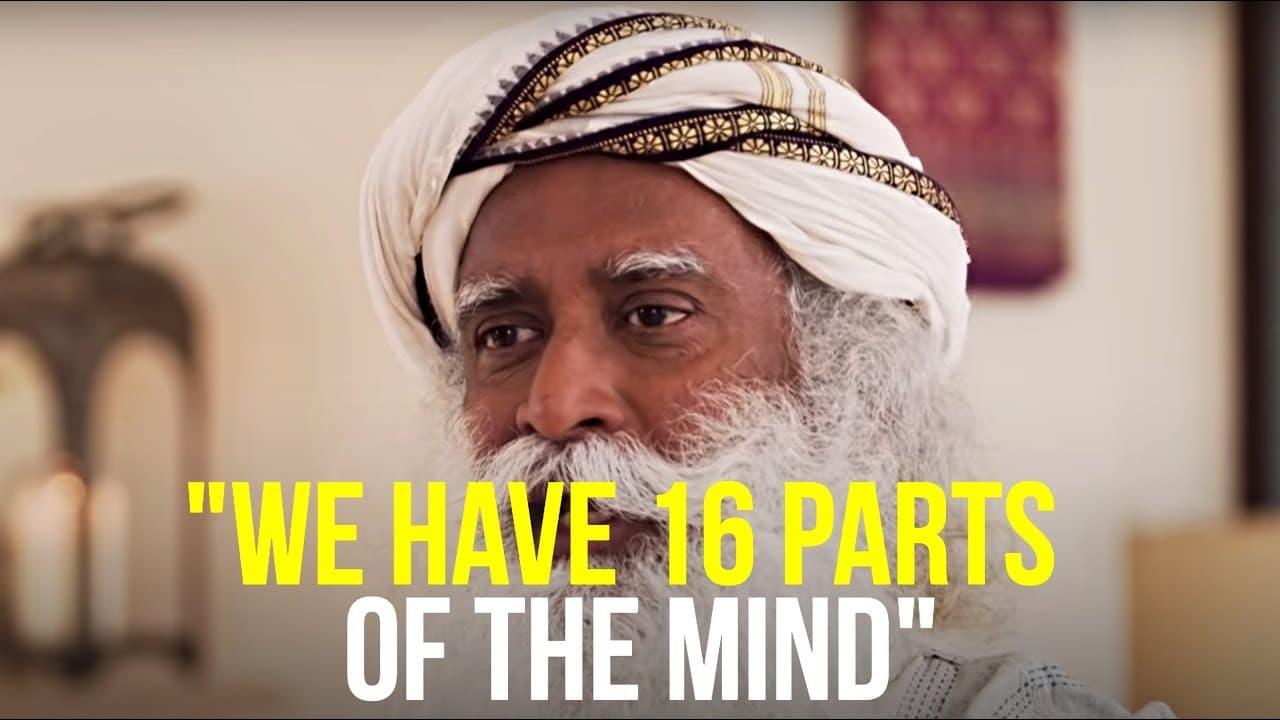
if you touch this dimension of intelligence then divine becomes your slave you don't have to think what you want you don't have to seek what you want if you touch this intelligence everything that you wish to know is yours you have to just direct your focus and it's all there we have sixteen parts of the mind which function distinct functions and t... Read More
Key Insights
- 🤯 The human mind consists of various dimensions that influence perception and understanding, emphasizing a holistic approach to intelligence.
- 😫 Intellect, while valuable, operates within the confines set by identity, shaping the reality individuals experience.
- 💭 Memory should not be undervalued, as it significantly contributes to intellect, providing context and depth to thoughts.
- 👻 Pure intelligence exists as a separate realm from conditioned thoughts, allowing individuals to engage with life more authentically.
- 🛟 Detaching from societal identities promotes a broader perspective, enabling deeper exploration of life's mysteries and potential.
- 🤯 Conscious control over the body and mind fosters well-being, serving as a cornerstone for personal empowerment and growth.
- 💭 Limitations stem from an over-reliance on subjective human thought, which can obscure access to profound insights and understanding.
Install to Summarize YouTube Videos and Get Transcripts
Explore YouTube Video Summarizer or Get YouTube Transcript Extractor
Questions & Answers
Q: What are the four dimensions of the mind described in the content?
The four dimensions discussed are intellect (Buddhi), identity (Ahamkara), memory (Manas), and pure intelligence (Chitta). Each dimension serves a unique function, where intellect processes information logically, identity shapes personal perception and beliefs, memory holds vast experiences across the body, and pure intelligence exists beyond thought, offering an innate understanding of existence and creation.
Q: How does identity influence intellect?
Identity greatly shapes the functioning of the intellect. When a person identifies with certain aspects, such as nationality or religion, their intellect operates within those confines. This means their thought processes are often guided by these identities, limiting the broader understanding of life’s complexities and potentially distorting their perceptions of reality.
Q: What role does memory play in the functioning of the mind?
Memory is crucial as it provides the foundation for intellect to operate. The body holds an extensive reservoir of memory that encompasses experiences not recalled consciously. This deep-seated memory influences thoughts and behaviors, ensuring that without it, intellect would lack the necessary context to analyze and understand life’s inherent intricacies.
Q: What is pure intelligence, and how can it be accessed?
Pure intelligence, referred to as Chitta, is a dimension of intelligence that is free from memory or conditioned thoughts. It can be accessed through focused attention on the world around us without preconceived notions. By disconnecting from identities and simply observing life, individuals can tap into this innate intelligence, unlocking potential insights and creativity.
Q: Why is it essential to detach from identities to explore the mind's dimensions?
Detaching from identities allows individuals to observe life without the biases and limitations that come from personal associations. By doing so, they can expand their perception and explore the various dimensions of intelligence more freely. This exploration can lead to deeper understanding and clarity about existence, unfettered by societal or cultural confines.
Q: How does the content suggest individuals manage their faculties of body and mind?
The content suggests that individuals must take charge of their body and mind consciously to prevent compulsive behaviors and ailments. By recognizing that their faculties are under personal control, they can work towards creating a life filled with pleasant experiences, rather than succumbing to negativity or illness resulting from a lack of awareness or direction.
Q: What the risks associated with relying solely on human thought for understanding?
Relying solely on human thought, which is based on limited data and experiences, can hinder access to a richer understanding of life. Since human thought often stems from subjective interpretations, it can cloud perception and limit exploration of deeper, non-conceptual insights that exist beyond mere logical reasoning.
Q: What transformative potential lies in understanding and exploring these dimensions?
Understanding and exploring the mind's dimensions holds transformative potential for personal growth and realization. It encourages individuals to enhance their awareness, transcend limiting beliefs associated with identity, and foster a deeper connection with their innate intelligence. This journey can lead to a more profound understanding of life and existence as a whole.
Summary & Key Takeaways
-
The content outlines sixteen parts of the mind divided into four dimensions, emphasizing the importance of understanding each to gain deeper insights into human experience.
-
The author explains that human identity significantly influences intellect, operating as a lens through which individuals perceive and interpret their experiences and surroundings.
-
It highlights the potential within the human body to store immense memory and the importance of touching upon pure intelligence, suggesting that individuals can unlock deeper understanding and awareness through conscious attention.
Read in Other Languages (beta)
Share This Summary 📚
Summarize YouTube Videos and Get Video Transcripts with 1-Click
Try YouTube Summary with ChatGPT & Claude or YouTube Transcript Generator
Explore More Summaries from Video Advice 📚



Summarize YouTube Videos and Get Video Transcripts with 1-Click
Try YouTube Summary with ChatGPT & Claude or YouTube Transcript Generator