What Psychological Needs Do Video Games Fulfill?
TL;DR
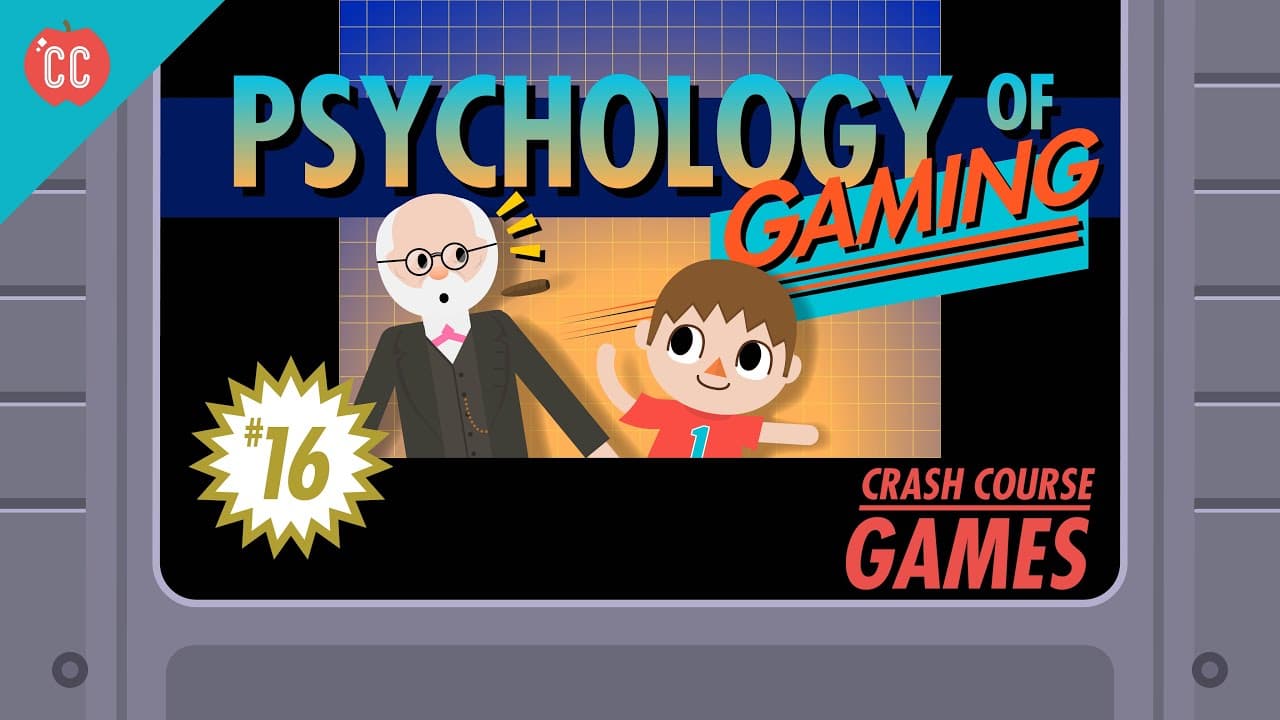
Video games fulfill psychological needs by providing clear feedback and pathways to achievement, aligning with Maslow's hierarchy of needs. They offer various experiences—competition, chance, and make-believe—which influence why players engage with them. Cooperative gameplay enhances mood and relationships, while understanding player types helps explain individual gaming preferences.
Transcript
Hi, I'm André Meadows. This is Crash Course Games. In this episode, we're going to explore the psychology behind games and see what leading experts have to say about why we play them and what they teach us about ourselves and others. Now, this is an episode on psychology which, well, is one of these squishier sciences, but there are some legitimate... Read More
Key Insights
- Games satisfy intellectual needs by providing feedback and a path to fulfillment, aligning with Maslow's hierarchy of needs.
- Cooperative gameplay enhances mood and builds relationships better than competitive play, according to Jane McGonigal.
- Roger Caillois classifies games by experiences: competition, chance, vertigo, and make-believe, influencing why people play.
- Richard Bartle's test identifies player types: achievers, explorers, socializers, and killers, explaining gaming preferences.
- The 'zone' or flow state, defined by Mihály Csíkszentmihályi, is achieved through engaging activities with clear goals and feedback.
- First-person shooter games like Doom help players achieve the zone by immersing them in the game environment.
- Violent video games are debated for potential real-life aggression, but evidence suggests most players distinguish fantasy from reality.
- Games stimulate fulfillment and satisfaction, with player differences influencing game preferences and experiences.
Install to Summarize YouTube Videos and Get Transcripts
Explore YouTube Video Summarizer or Get YouTube Transcript Extractor
Questions & Answers
Q: What role does Maslow's hierarchy of needs play in gaming?
Maslow's hierarchy of needs suggests that basic needs must be met before one can pursue self-fulfillment. In gaming, once basic needs are satisfied, games provide a system for achievement and feedback, fulfilling higher intellectual and social needs. This aligns with the idea that games can lead to personal growth and satisfaction.
Q: How do cooperative and competitive gameplay differ in psychological impact?
Cooperative gameplay, as explained by Jane McGonigal, tends to enhance mood and build stronger relationships compared to competitive play. While competition drives individual achievement, cooperation fosters social connections and prolonged positive emotions, making it beneficial for mental well-being and social bonding.
Q: What are the different player types according to Richard Bartle?
Richard Bartle identifies four player types: achievers, explorers, socializers, and killers. Achievers focus on success and completion, explorers enjoy discovery, socializers thrive on interaction, and killers seek dominance. These types explain gaming preferences and the satisfaction players derive from different game features.
Q: What is the 'zone' or flow state in gaming?
The 'zone' or flow state, described by Mihály Csíkszentmihályi, is a mental state where a person is fully immersed in an activity. In gaming, this occurs when players are engaged in challenging tasks with clear goals and feedback, leading to a sense of altered time and complete focus, enhancing the gaming experience.
Q: How do first-person shooters help achieve the flow state?
First-person shooters like Doom help achieve the flow state by immersing players in a first-person perspective, creating a sense of presence and engagement. The combination of challenging gameplay, clear objectives, and constant feedback keeps players focused and absorbed, allowing them to experience the 'zone' while playing.
Q: What is the debate surrounding violent video games and real-life aggression?
The debate on violent video games centers on whether they contribute to real-life aggression. Some studies suggest a link, but critics argue these studies are flawed and ignore other factors like socio-economic status. Most evidence shows players distinguish fantasy from reality, and violent crime rates have not increased with gaming's popularity.
Q: How do games provide fulfillment and satisfaction?
Games provide fulfillment by offering structured systems of achievement and feedback, satisfying intellectual and social needs. They allow players to experience different roles and challenges, aligning with their preferences and player types. This leads to personal satisfaction and a sense of accomplishment, contributing to overall well-being.
Q: How do player differences influence game preferences?
Player differences, such as their alignment with Bartle's player types, influence game preferences by determining what aspects of games they find satisfying. Achievers may prefer games with clear goals, explorers seek open-world environments, socializers enjoy community-based games, and killers look for competitive challenges, shaping their gaming choices.
Summary & Key Takeaways
-
Games fulfill intellectual needs by providing feedback and a clear path to achievement, aligning with Maslow's hierarchy of needs. They offer different experiences like competition, chance, and make-believe, which affect why people play. Cooperative gameplay is shown to enhance mood and build stronger relationships than competitive play.
-
Richard Bartle's player types—achievers, explorers, socializers, and killers—help explain gaming preferences. Players find satisfaction in games that align with their character type. The 'zone' or flow state, defined by Mihály Csíkszentmihályi, is achieved through engaging activities with clear goals and feedback, like first-person shooters.
-
Violent video games are debated for their potential impact on real-life aggression, but evidence suggests most players can distinguish fantasy from reality. Games offer fulfillment and satisfaction, with player differences influencing game preferences and experiences. The debate over video games and behavior continues, but most evidence supports a positive view of gaming.
Read in Other Languages (beta)
Share This Summary 📚
Summarize YouTube Videos and Get Video Transcripts with 1-Click
Try YouTube Summary with ChatGPT & Claude or YouTube Transcript Generator
Explore More Summaries from CrashCourse 📚




Summarize YouTube Videos and Get Video Transcripts with 1-Click
Try YouTube Summary with ChatGPT & Claude or YouTube Transcript Generator