COVID-19 Vaccine Safety Concerns: Izumiotsu Analysis
TL;DR
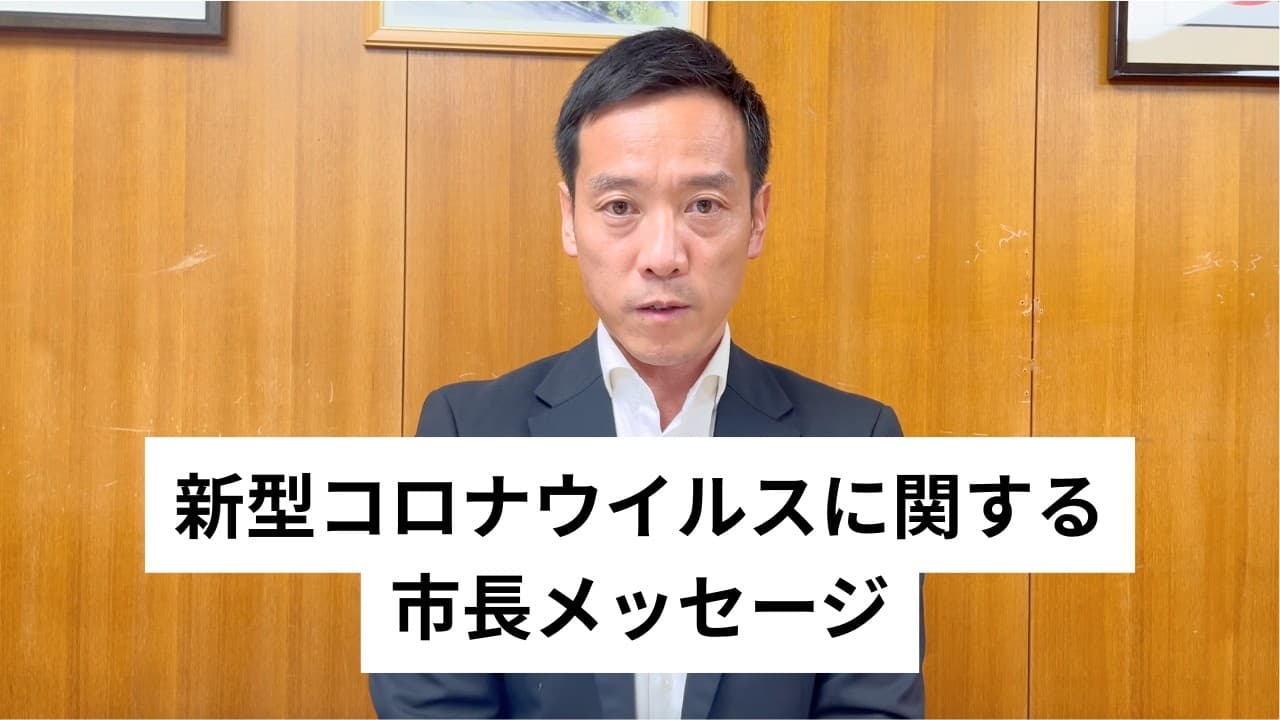
The mayor of Izumiotsu discusses COVID-19 vaccine safety, highlighting data on deaths following vaccination in the city. He emphasizes that while these deaths occurred post-vaccination, they are not necessarily caused by the vaccine. The video urges viewers to consider the data when deciding on vaccination, stressing the importance of informed choices.
Transcript
I am Minade, the mayor of Izumiotsu. As routine COVID-19 vaccinations for those 65 and older are about to begin, I would like to share the facts that we currently know. I hope you will watch until the end. Yes. Regarding an analysis of vaccine recipients in Izumiotsu City. I would like to share what has become clear based on facts, includi... Read More
Key Insights
- 58 people in Izumiotsu died within 14 days of vaccination, yet no adverse reactions were reported.
- The mayor stresses that deaths post-vaccination are not automatically linked to the vaccine.
- Nationwide data shows similar post-vaccination death trends, raising concerns.
- The COVID-19 vaccine has led to more health damage certifications than other vaccines in recent history.
- Repeated vaccinations may lead to immune function decline due to IgG4 antibodies.
- Spike proteins from the vaccine may interact with estrogen receptors, raising cancer risks.
- The COVID-19 vaccine is categorized as gene therapy, differing from traditional vaccines.
- Excess mortality rates have increased since the introduction of the COVID-19 vaccine.
Install to Summarize YouTube Videos and Get Transcripts
Explore YouTube Video Summarizer or Get YouTube Transcript Extractor
Questions & Answers
Q: How many people in Izumiotsu died within 14 days of COVID-19 vaccination?
In Izumiotsu, 58 people died within 14 days of receiving a COVID-19 vaccine, according to the mayor. Despite these deaths occurring post-vaccination, none were reported as suspected adverse reactions. The mayor emphasizes that this statistic does not imply causation by the vaccine but highlights the need for careful consideration of such data.
Q: What concerns does the mayor of Izumiotsu raise about COVID-19 vaccines?
The mayor raises concerns about the classification of COVID-19 vaccines as gene therapy, the potential for immune function decline due to repeated vaccinations, and the interaction of spike proteins with estrogen receptors, which may increase cancer risks. He also points out the high number of health damage certifications linked to the vaccine.
Q: What is the significance of IgG4 antibodies in relation to COVID-19 vaccines?
IgG4 antibodies, induced by repeated COVID-19 vaccinations, can lead to a decline in normal immune responses. This means the body may stop reacting to the vaccine and other viruses, potentially increasing susceptibility to infections. The mayor notes that this immune function decline is a significant concern associated with ongoing vaccinations.
Q: How does the COVID-19 vaccine differ from traditional vaccines, according to the mayor?
The COVID-19 vaccine is classified as gene therapy, unlike traditional vaccines. It introduces RNA genetic information of the coronavirus spike protein into the body, which is fundamentally different from conventional vaccine mechanisms. The mayor highlights that this novel approach raises unique safety and efficacy concerns.
Q: What trends in excess mortality are observed since the introduction of COVID-19 vaccines?
Since the introduction of COVID-19 vaccines, excess mortality rates have risen. The mayor suggests that unreported vaccine-related deaths could contribute to this trend. He emphasizes the need for thorough investigations and accurate reporting to understand the true impact of the vaccine on mortality rates.
Q: What does the mayor suggest about the reporting of vaccine-related deaths?
The mayor suggests that many vaccine-related deaths are not being reported, as seen in Izumiotsu and other municipalities. He urges local governments to investigate these cases thoroughly to ensure accurate reporting. This is crucial for making informed public health decisions and understanding the true impact of the vaccine.
Q: What are the potential cancer risks associated with COVID-19 vaccines?
The mayor highlights concerns that the spike proteins from COVID-19 vaccines may interact with estrogen receptors, potentially disrupting hormone secretion and increasing the risk of female-specific cancers and other malignancies. These risks have been known for some time, and recent studies continue to warn about them.
Q: Why is the COVID-19 vaccine categorized as gene therapy?
The COVID-19 vaccine is categorized as gene therapy because it involves injecting RNA genetic information of the coronavirus spike protein into the body. This method is fundamentally different from traditional vaccines and aligns more with gene therapy practices, which typically undergo extensive testing over many years before release.
Summary & Key Takeaways
-
The mayor of Izumiotsu presents data showing 58 deaths within 14 days of COVID-19 vaccination, with no adverse reaction reports. He emphasizes that these deaths are not necessarily vaccine-related but urges consideration of these facts when deciding on vaccination. Nationwide trends show similar post-vaccination death patterns.
-
The video highlights concerns about the COVID-19 vaccine's classification as gene therapy and its potential to cause immune function decline and cancer risks. The mayor points out the unprecedented number of health damage certifications linked to the vaccine compared to other vaccines.
-
Excess mortality rates have risen since the vaccine's introduction, with the mayor suggesting that unreported vaccine-related deaths might contribute to this trend. He calls for thorough investigations by local governments to ensure accurate reporting and informed public health decisions.
Read in Other Languages (beta)
Share This Summary 📚
Summarize YouTube Videos and Get Video Transcripts with 1-Click
Try YouTube Summary with ChatGPT & Claude or YouTube Transcript Generator