How to Draw Long Hair: Tips for Beginners
TL;DR
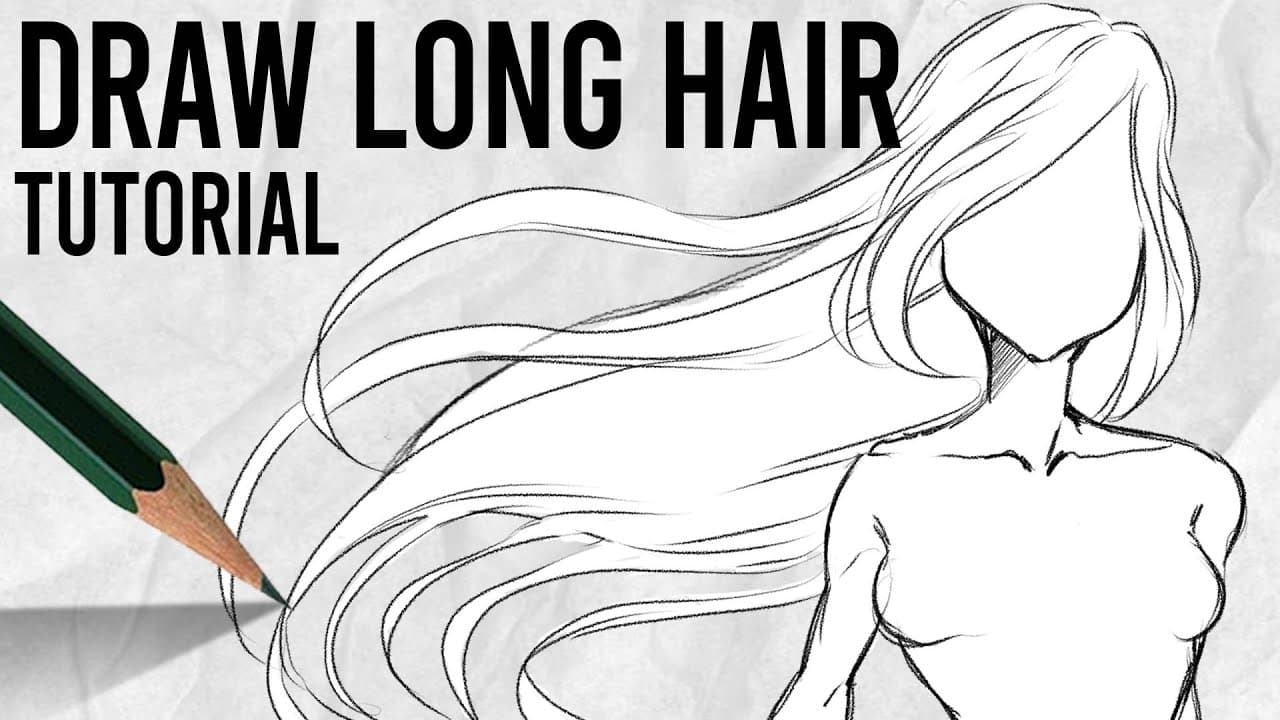
To draw long hair effectively, focus on the dynamics of hair strands, noting that they thin towards the tips and can tangle or curl. Use quick, loose strokes for a natural look and practice regularly to build confidence and muscle memory. Observing real-life hair can provide invaluable reference to enhance your techniques.
Transcript
[music] Hi guys. My name is Marcel and today, you're gonna learn how to draw like a Sir because today's video is all about drawing long strands of hair. I've already made a basic video on how to draw hair and how hair basically works, so if you consider yourself a novice or a beginner, please watch this one first, because this one's pretty beginner... Read More
Key Insights
- 👱 The tutorial serves as a sequel to a basic hair drawing video, reinforcing prior knowledge while expanding on the topic of long hair.
- 👱 Marcel stresses that hair thickness diminishes toward the tips, affecting how strands should be rendered, influencing the overall perception of weight in the drawing.
- 👀 Detail is subjective; artists can choose the level of intricacy they want to include based on their personal style and the look they aim to achieve.
- 😥 Observing real-life hair is invaluable for artists; it provides genuine reference points and inspiration, improving their drawing skills and outcomes.
- 👀 Quick, loose strokes are favored over meticulous detailing to achieve natural-looking hair, and this method is supported by professional artists' practices.
- 🥰 The tutorial encourages viewers not to get discouraged, as muscle memory development is a natural part of the learning process when developing art skills.
- 👱 Engaging in continuous practice and experimentation enhances artistic ability and confidence in drawing hair effectively.
Install to Summarize YouTube Videos and Get Transcripts
Explore YouTube Video Summarizer or Get YouTube Transcript Extractor
Questions & Answers
Q: What is the importance of understanding how hair works before drawing it?
Understanding how hair functions—like the way individual strands vary in thickness and curve—is crucial for creating realistic representations in your artwork. This foundational knowledge enables artists to add better detail and depth to their drawings. Recognizing that hair isn't always smooth is vital to capturing its natural dynamics, which contributes to a more lively illustration.
Q: How should artists approach adding details to long hair?
When adding details to long hair, artists should focus on the outer parts of the strands, allowing the thick main strand to guide the viewer's eye. Incorporating loose strands or curls can enhance realism, but it's essential to avoid cluttering the hairstyle with too many details, which may lead to a messy appearance. Balancing detail and simplicity is key for an effective representation.
Q: What techniques can help capture the dynamic movement of hair?
To depict dynamic movement in hair, artists should focus on the middle sections of strands, where most movement occurs due to wind or action. Drawing quickly and loosely can create a sense of flow, while careful, slow strokes may lead to stiff portrayals. Visualizing hair as a fluid element, similar to waves, can aid in capturing its movement authentically.
Q: Why should artists consider incorporating tangling effects in hair drawings?
Incorporating tangling effects in hair drawings adds realism and dimension. Hair, especially long strands, doesn’t always lay flat or orderly; it naturally tangles and swirls. By illustrating these effects, artists can depict a more natural and relatable representation of hair. Striking a balance between detail and chaos is essential for maintaining aesthetic appeal.
Summary & Key Takeaways
-
This tutorial focuses on techniques for drawing long hair, building upon previous knowledge of hair structure. It's designed to be beginner-friendly, with clear visuals and explanations.
-
Marcel emphasizes the importance of understanding hair dynamics, including how hair strands vary in thickness and how they naturally curve and tangle, encouraging spontaneity in drawing.
-
Viewers are reminded that practice is key; mastering hair drawing techniques comes from repeated effort and observing real-life references.
Read in Other Languages (beta)
Share This Summary 📚
Summarize YouTube Videos and Get Video Transcripts with 1-Click
Try YouTube Summary with ChatGPT & Claude or YouTube Transcript Generator
Explore More Summaries from Draw like a Sir 📚
Summarize YouTube Videos and Get Video Transcripts with 1-Click
Try YouTube Summary with ChatGPT & Claude or YouTube Transcript Generator