What Is Cloud Computing and How Does It Work?
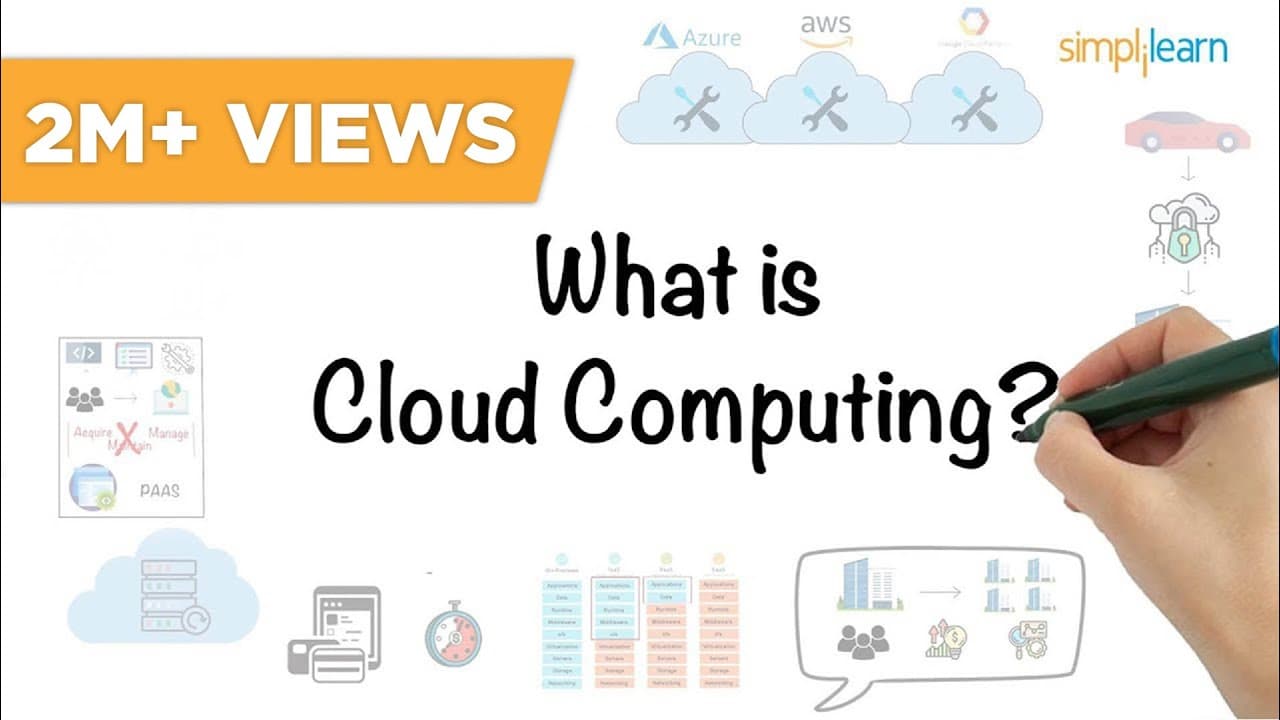
TL;DR
Cloud computing delivers on-demand computing services over the internet on a pay-as-you-go basis. It offers scalable resources, improved data security, and reduced maintenance costs compared to on-premise systems, making it a cost-efficient choice for businesses. Key models include public, private, and hybrid clouds, as well as service models like IaaS, PaaS, and SaaS.
Transcript
imagine you're the owner of a small software development firm and you want to scale your business up however a small team size the unpredictability of demand and limited resources are roadblocks for this expansion that's when you hear about cloud computing but before investing money into it you decide to draw up the differences between on-premise a... Read More
Key Insights
- 🇨🇷 On-premise systems have higher costs and limited scalability options, while cloud computing offers cost efficiency and easy scaling.
- 🛰️ Cloud computing eliminates the need for physical server storage and maintenance teams, saving money and space.
- 🔐 Cloud computing offers better data security, disaster recovery measures, and reduces the need for constant maintenance and resource allocation.
- 💼 Cloud computing operates on a pay-as-you-go basis, allowing businesses to only pay for what they use.
- 🇨🇫 Cloud computing has three deployment models: public, private, and hybrid cloud.
- 🈂️ Cloud computing has three service models: Infrastructure as a Service (IaaS), Platform as a Service (PaaS), and Software as a Service (SaaS).
- 🈸 IaaS provides basic computing infrastructure, PaaS offers platforms for developing and managing applications, and SaaS hosts and manages software applications.
Install to Summarize YouTube Videos and Get Transcripts
Explore YouTube Video Summarizer or Get YouTube Transcript Extractor
Questions & Answers
Q: What are the main disadvantages of on-premise systems for scaling a software development firm?
On-premise systems have higher costs, limited scaling options, and require extensive infrastructure and maintenance, which can lead to heavy losses when scaling down.
Q: How do cloud computing solutions address the limitations of on-premise systems?
Cloud computing allows you to pay only for what you use, offers faster and easier scaling options, eliminates the need for server storage and maintenance, and provides better data security and disaster recovery measures.
Q: What are the advantages of cloud computing in terms of data security?
Cloud computing systems offer better data security compared to on-premise systems, as they have robust security measures in place and avoid the need for constant monitoring and management of security protocols.
Q: How does cloud computing reduce maintenance costs for businesses?
Cloud computing systems are maintained by the cloud service providers, which reduces costs and resource allocation for hardware and software maintenance that is required for on-premise systems.
Key Insights:
- On-premise systems have higher costs and limited scalability options, while cloud computing offers cost efficiency and easy scaling.
- Cloud computing eliminates the need for physical server storage and maintenance teams, saving money and space.
- Cloud computing offers better data security, disaster recovery measures, and reduces the need for constant maintenance and resource allocation.
- Cloud computing operates on a pay-as-you-go basis, allowing businesses to only pay for what they use.
- Cloud computing has three deployment models: public, private, and hybrid cloud.
- Cloud computing has three service models: Infrastructure as a Service (IaaS), Platform as a Service (PaaS), and Software as a Service (SaaS).
- IaaS provides basic computing infrastructure, PaaS offers platforms for developing and managing applications, and SaaS hosts and manages software applications.
- AWS, Microsoft Azure, and Google Cloud Platform are popular cloud computing service providers.
Summary & Key Takeaways
-
On-premise systems have high costs, limited scalability options, and require extensive infrastructure and maintenance. Cloud computing offers cost-efficient scaling, managed servers, better data security, and reduced maintenance.
-
Cloud computing allows you to pay for what you use, provides faster scaling options, and eliminates the need for physical server storage and maintenance teams.
-
On-premise systems have less data security, limited disaster recovery options, and require additional resources for maintenance, while cloud computing offers robust security measures and reduces costs and resource allocation.
Read in Other Languages (beta)
Share This Summary 📚
Summarize YouTube Videos and Get Video Transcripts with 1-Click
Try YouTube Summary with ChatGPT & Claude or YouTube Transcript Generator
Explore More Summaries from Simplilearn 📚


![Digital Marketing Full Course 2026 [FREE] | Digital Marketing Tutorial for Beginners | Simplilearn thumbnail](/_next/image?url=https%3A%2F%2Fi.ytimg.com%2Fvi%2F5altc8xTzBg%2Fhqdefault.jpg&w=750&q=75)



Summarize YouTube Videos and Get Video Transcripts with 1-Click
Try YouTube Summary with ChatGPT & Claude or YouTube Transcript Generator