How to Use Daily Habits to Improve Chronic Health
TL;DR
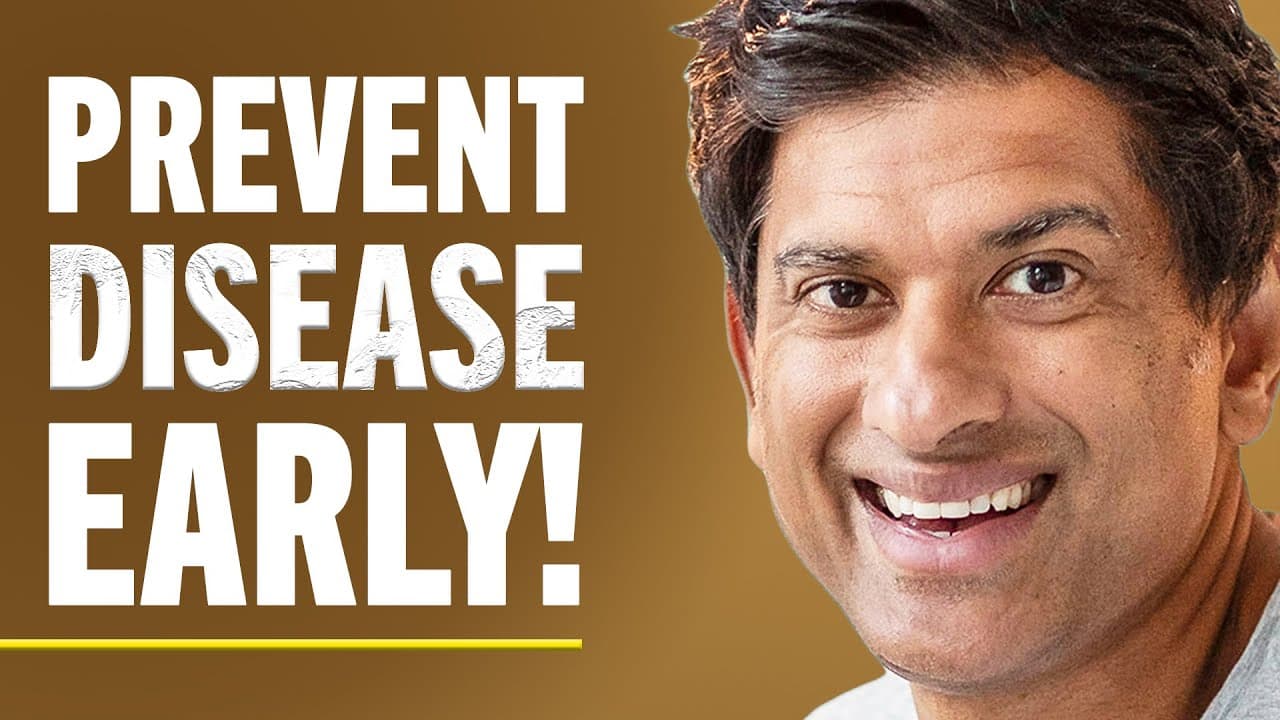
Improve health by addressing four controllable areas: food, movement, sleep quality, and stress. Dr. Rangan Chatterjee says small, sustainable changes can affect mood, energy, metabolic health, pain, anxiety, and brain function, sometimes within days. He recommends beginning relaxation or meditation with only two minutes daily, then gradually extending the practice as it becomes habitual.
Transcript
so dr chatterjee you're on an extraordinary mission in the uk and you've created a show called doctor in the house a bbc show where you go into people's homes and help them transform their lives using functional medicine tell us like why are you doing this and and what do you expect to get out of this this show doctor in the house is a series of do... Read More
Key Insights
- Food, movement, sleep quality, and stress are four controllable factors that influence general health and brain function. Chatterjee says the most prominent problems he observed inside patients’ homes were poor food choices and persistent stress.
- Home observation is a way to uncover health information that may remain hidden during clinic visits. Watching breakfast, lunch, dinner, snacks, cooking, shopping, exercise, and stress patterns provides a more complete picture than relying only on a patient’s recollection.
- Refined and processed carbohydrates are common problems in household kitchens. Chatterjee specifically identifies breakfast cereals, refined breads containing sugar, ready meals, soft drinks, and diet drinks as products that can negatively affect how the body and brain feel.
- Simple dietary changes can alter how a person feels within days. Chatterjee describes food as a powerful lifestyle lever and says changing diet is also the fastest and biggest way to change the health and composition of gut microbes.
- Chronic psychosocial stress can impair brain function by keeping cortisol elevated for too long. Chatterjee says excessive cortisol can damage cells in the hippocampus, the brain area where memories are laid down, making regular periods of relaxation important.
- A sustainable meditation habit can begin with two minutes each day. Chatterjee argues that a small commitment is easier to maintain and can gradually become five or ten minutes, while beginning with a demanding routine may lead people to abandon it.
- Relaxation practices can produce measurable changes in symptoms. Chatterjee describes a woman whose menopausal symptom score fell from 15 out of 17 to two out of 17 within four weeks, with a 15-minute evening relaxation practice serving as a critical component.
- Gut microbial diversity is an important measure in Chatterjee’s functional medicine approach. He may use stool testing to examine the community of gut organisms, but he first investigates diet because food can rapidly change the composition and health of gut microbes.
Install to Summarize YouTube Videos and Get Transcripts
Explore YouTube Video Summarizer or Get YouTube Transcript Extractor
Questions & Answers
Q: How can daily lifestyle changes improve chronic health?
Daily lifestyle changes can improve health by addressing food, movement, sleep quality, and stress. Chatterjee says these factors influence mood, energy, fatigue, metabolic health, pain, anxiety, and brain function. He reports that some people can prevent or reverse disease, while others may still feel better even without eliminating a diagnosed condition. The appropriate changes depend on the factors contributing to each person’s symptoms.
Q: What four lifestyle factors does Dr. Chatterjee prioritize?
Dr. Chatterjee prioritizes what people eat, how they move, the quality of their sleep, and their stress levels. He presents these as four major areas that affect both general health and brain function while remaining within personal control. In the homes he observed, food and stress were the two most prominent concerns, although his approach considers all four areas when identifying contributors to a patient’s condition.
Q: Why does observing patients at home improve health assessment?
Observing patients at home reveals behaviors and environmental factors that may not emerge during a clinic appointment. A doctor can see what is actually eaten at breakfast, lunch, dinner, and snack times, along with the contents of the refrigerator and cupboards. Home visits also expose cooking practices, meal timing, exercise, purchasing habits, stress, and household routines that patients may unintentionally filter when answering clinical questions.
Q: Which foods did Dr. Chatterjee commonly find in patients’ kitchens?
Dr. Chatterjee commonly found too many refined and processed carbohydrates in household kitchens. His examples include breakfast cereals, refined breads containing sugar, ready meals, soft drinks, carbonated drinks, and diet drinks. He says many people still do not understand how these foods affect the way their bodies and brains feel. Re-educating some families about what to keep in the kitchen therefore became part of his intervention.
Q: How should a beginner create a daily meditation habit?
A beginner can start with only two minutes of meditation each day and increase the duration gradually. Chatterjee uses this small commitment because patients who begin with 15 or 20 minutes may practice briefly, miss a day, and then give up. Two minutes can become five minutes and later ten minutes. He compares this process with toothbrushing, which becomes easy to maintain because it is established as a normal daily habit.
Q: How does prolonged stress affect the brain?
Prolonged psychosocial stress raises the stress hormone cortisol, according to the discussion. Chatterjee says cortisol that remains too high for too long can damage cells in the hippocampus, where memories are laid down. The conversation also states that stress can weaken the brain’s protective barrier. Daily periods without devices, focused on reading, meditation, yoga, or quiet relaxation, are recommended to help people switch off.
Q: How does diet affect gut health in functional medicine?
Diet is the first area Chatterjee examines when approaching gut health because changing food is described as the biggest and fastest way to alter the health and composition of gut microbes. He explains that trillions of organisms live inside the gut and that their overall community may matter more than isolated organisms. Depending on the case, he may also use stool testing and assess microbial diversity to guide the next steps.
Q: What health outcomes does Dr. Chatterjee report from lifestyle interventions?
Chatterjee reports helping a woman reverse type 2 diabetes in 30 days, with the condition still absent two years later. He also describes fibromyalgia pain disappearing in six weeks and anxiety attacks decreasing by 80 percent in six weeks. In another case, menopausal symptoms fell from 15 out of 17 to two out of 17 within four weeks, with evening relaxation forming a critical part of the intervention.
Summary & Key Takeaways
-
Dr. Rangan Chatterjee uses a functional medicine framework to identify lifestyle factors contributing to poor health. By observing patients inside their homes, he can examine their actual meals, kitchens, exercise, sleep, stress, cooking, and eating schedules. This reveals useful information that patients may unintentionally filter during conventional clinical appointments.
-
Food, movement, sleep quality, and stress are presented as four major influences that people can modify. Chatterjee particularly emphasizes food and stress, noting that many homes contain refined carbohydrates, sugary breads, breakfast cereals, ready meals, soft drinks, and diet drinks. Dietary changes can alter how people feel within days.
-
Chatterjee recommends making health practices easy enough to repeat consistently. He asks reluctant patients to begin meditation with two minutes per day instead of attempting a long session immediately. He also evaluates gut health through diet, microbial diversity, and sometimes stool testing because gut health can influence the brain, mood, and obesity.
Read in Other Languages (beta)
Share This Summary 📚
Summarize YouTube Videos and Get Video Transcripts with 1-Click
Try YouTube Summary with ChatGPT & Claude or YouTube Transcript Generator
Explore More Summaries from Dr Rangan Chatterjee 📚



Summarize YouTube Videos and Get Video Transcripts with 1-Click
Try YouTube Summary with ChatGPT & Claude or YouTube Transcript Generator