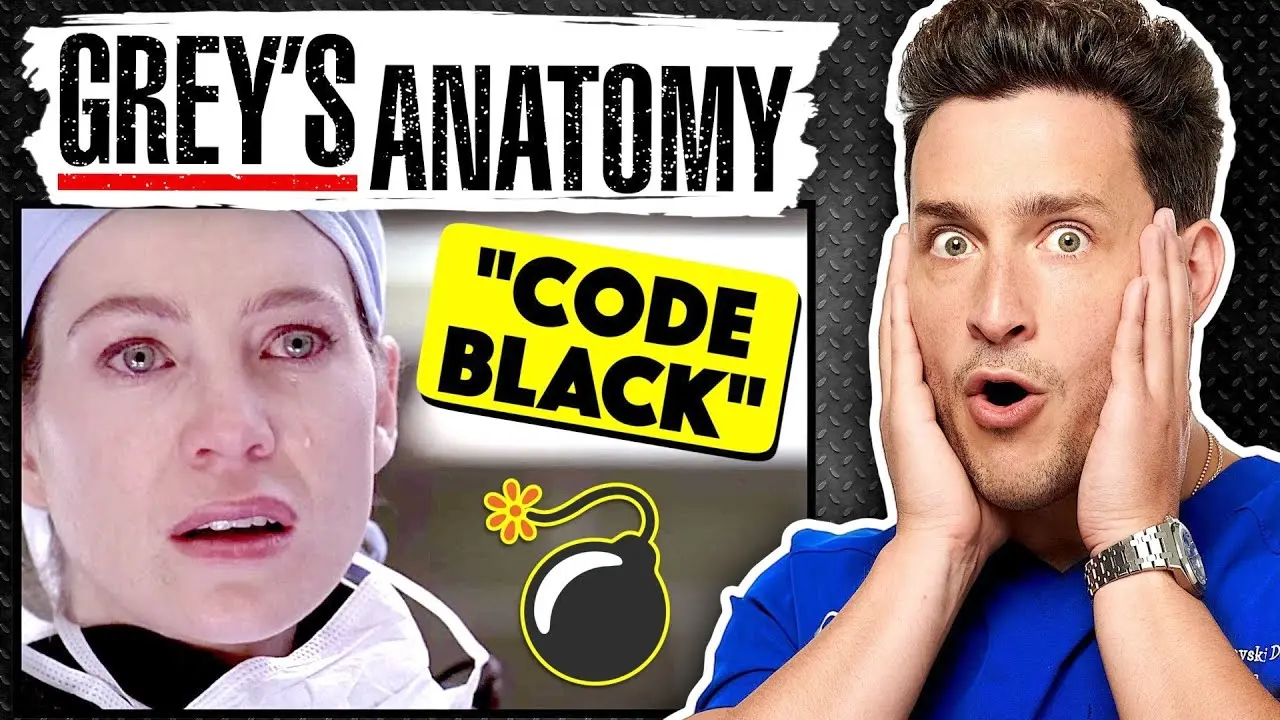
Doctor Reacts To Grey's Anatomy Bomb Episode
TL;DR
A paramedic performs life-saving measures while dealing with an unstable explosive situation in the ER.
Transcript
- "Grey's Anatomy," season 2, episode 16 and 17, I heard were the bomb, so I'm gonna check it out. Beep-boop. (sirens blaring) (woman screaming) Oh. Okay, immediately, a lot of blood, screaming person, paramedics, EMTs need to speak up here. Um, can't tell what's happening here. It looks like her arm is inside his chest? Is she holding together a b... Read More
Key Insights
- 🤔 Emergency response situations require quick thinking and adaptability, as circumstances can change rapidly, often with life-or-death consequences.
- 😤 The importance of communication among team members is crucial during emergencies to ensure everyone understands the risks and their roles.
- 😷 Ethical challenges abound in medical emergencies, often requiring professionals to weigh immediate patient needs against broader safety concerns.
- 😷 Handling traumatic injuries demands both medical knowledge and emotional stability, with the pressure to perform effectively in chaotic environments.
- 😷 Collaborations between medical personnel and specialized teams, such as bomb squads, are essential to address complex situations involving potential explosives.
- 🥰 Patient care often involves managing emotional responses from loved ones present, adding another layer of complexity to medical interventions.
- 💉 Tension-filled emergencies require detailed risk assessments to balance immediate care needs with the overall safety of hospital operations.
Install to Summarize YouTube Videos and Get Transcripts
Explore YouTube Video Summarizer or Get YouTube Transcript Extractor
Questions & Answers
Q: What is the major medical issue being addressed in the episode?
The major medical issue is a patient suffering from a massive sucking chest wound, which is a severe type of injury that can lead to rapid blood loss and shock. The paramedics must stabilize the patient while also dealing with the potential for further complications, such as a lung collapse and the risk of bleeding out. The necessity of immediate intervention, including pressure on the wound, is crucial to prevent fatal outcomes.
Q: How do the medical staff address the bomb situation?
The medical staff must confront the possibility of a bomb located next to the operating room while attending to a severely injured patient. The urgency of the situation is compounded by the need for immediate surgery to save the patient, which requires managing the potential risks associated with the explosive device. Clear communication and rapid action are necessary to establish a safe plan while prioritizing patient care.
Q: What ethical dilemmas arise in this episode?
Ethical dilemmas include the choice between saving a patient and the risk of potential harm to others in the hospital due to the explosive device. Medical professionals must navigate the complexity of triaging care and making decisions about the patient's welfare versus the broader implications of keeping the hospital safe and evacuating staff and patients. These intense moments challenge their moral responsibilities and medical training.
Q: Why is the patient's bleeding situation critical?
The patient's bleeding situation is critical due to the massive blood loss that threatens vital organ perfusion. As blood pressure drops, the body's response includes increased heart rate (tachycardia) to maintain blood flow to essential organs. If immediate action is not taken to address the hemorrhage, the patient faces imminent death. The need for pressure on the wound and potential surgical intervention are life-saving measures.
Q: How does the emotional state of the paramedic influence the situation?
The emotional state of the paramedic is significant as she has her hand inside the patient, creating a highly stressful environment. Her ability to remain calm and focused under intense pressure is crucial to maintaining control and preventing further injury as panic could lead her to inadvertently worsen the situation, either by pulling her hand out too soon or losing composure.
Q: What could have been done differently to manage the bomb threat?
Better communication regarding the bomb threat could have improved the situation. Providing clear information about the potential danger could help calm the personnel involved and facilitate quicker evacuation or containment strategies. Additionally, having a more experienced bomb squad team on hand could ensure that proper procedures are followed rather than relying on potentially inexperienced personnel.
Q: How does the episode depict the challenges of emergency medical response?
The episode vividly depicts the unpredictable nature of emergency medical responses where critical situations can unravel rapidly. Characters are forced to make split-second decisions that carry immense weight. The interplay of chaos, medical protocols, and human emotion paints a realistic picture of the challenges faced in real medical emergencies, underscored by the demanding environment of trauma care.
Summary & Key Takeaways
-
The scene involves a critical patient with a massive sucking chest wound, requiring immediate attention and unconventional emergency interventions by paramedics.
-
The tension escalates when a bomb is discovered in the OR, creating a dilemma between saving the patient and ensuring hospital safety.
-
The episode highlights the chaotic decision-making in emergencies, the strain on medical professionals, and the ethical challenges they face in life-or-death situations.
Read in Other Languages (beta)
Share This Summary 📚
Summarize YouTube Videos and Get Video Transcripts with 1-Click
Try YouTube Summary with ChatGPT & Claude or YouTube Transcript Generator
Explore More Summaries from Doctor Mike 📚




Summarize YouTube Videos and Get Video Transcripts with 1-Click
Try YouTube Summary with ChatGPT & Claude or YouTube Transcript Generator