How Will AI Change the Future of Marketing Jobs?
TL;DR
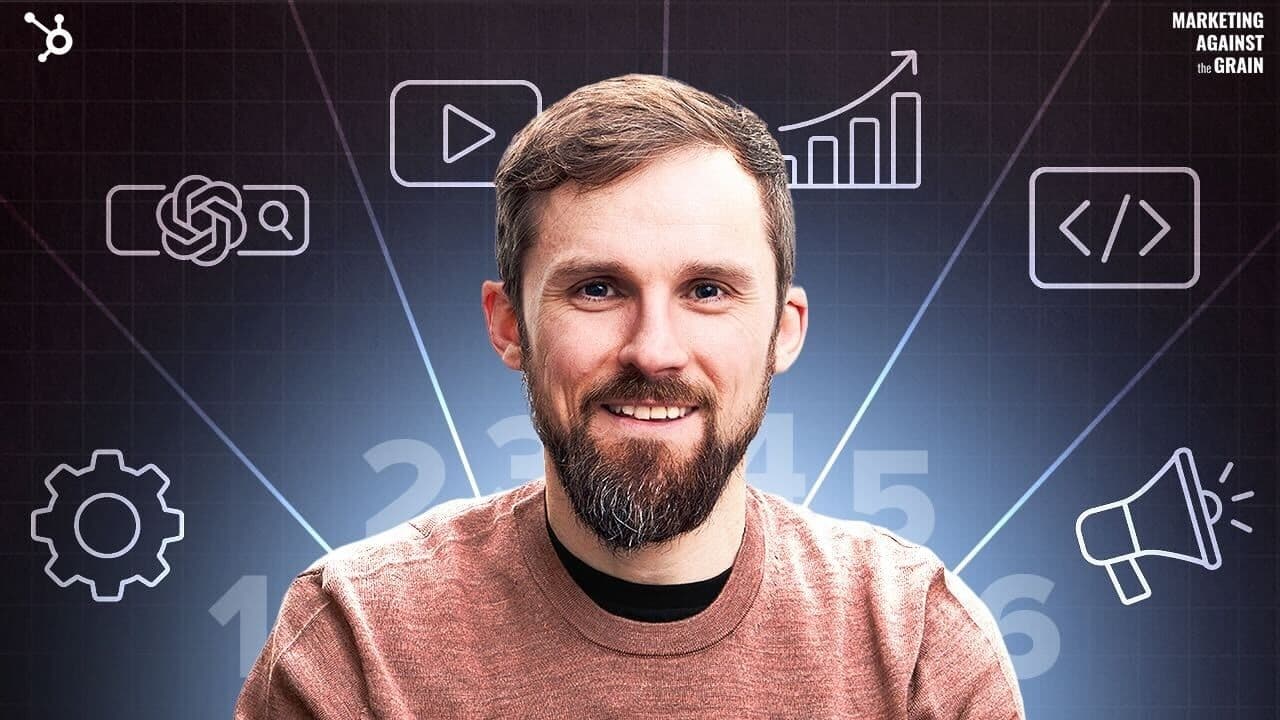
AI is transforming marketing without replacing marketers. It enhances efficiency through tools and strategies that leverage human creativity, emphasizing collaboration between humans and AI. Key strategies include mastering AI search, focusing on short-form content, and utilizing data-driven micro-audience campaigns for targeted marketing efforts.
Transcript
On this episode, we are going to go into something that everyone wants to know how to do, and that is marketing. How the do you even do marketing in the world of AI? Everything is changing so much. What we hope to do in this episode is tell you if we were going to build a marketing plan from scratch. This is exactly what we would do with all the pl... Read More
Key Insights
- AI is not eliminating marketing jobs but transforming how marketing is executed, emphasizing human-AI collaboration for optimal results.
- The Microsoft job report indicates that creative jobs, including marketing, are less likely to be replaced by AI, providing some job security to marketers.
- Successful marketing in the AI era involves leveraging AI tools for tasks like AI search, which focuses on increasing share of voice rather than just conversions.
- Creating AI-optimized content requires understanding and utilizing AI search mechanisms, including share of voice and citations, to enhance brand visibility.
- Short-form content is becoming increasingly important, with 65% of B2B buyers preferring it, necessitating mastery of attention-grabbing techniques.
- Code-powered experiences are replacing traditional content lead magnets, as creating interactive, actionable content becomes as feasible as creating written content.
- An effective intent engine is crucial for gathering internal and external intent signals, which helps personalize AI-driven marketing experiences.
- Micro-audience campaigns, powered by AI, allow for highly targeted marketing efforts, increasing conversion rates by focusing on smaller, more specific audience segments.
Install to Summarize YouTube Videos and Get Transcripts
Explore YouTube Video Summarizer or Get YouTube Transcript Extractor
Questions & Answers
Q: How is AI impacting marketing jobs?
AI is transforming marketing jobs by enhancing the tools and strategies available to marketers, rather than replacing them. The integration of AI allows for more efficient and effective marketing efforts, enabling marketers to focus on creative and strategic tasks while utilizing AI for data analysis and execution.
Q: What is the significance of Microsoft's job report in the context of AI?
Microsoft's job report highlights that creative jobs, including marketing, are less likely to be replaced by AI. This provides a sense of job security for marketers, as AI is seen as a tool to enhance human creativity and not as a replacement, emphasizing the importance of human-AI collaboration.
Q: How does AI search differ from traditional search methods?
AI search focuses on increasing the share of voice rather than just conversions. It involves optimizing content for AI-driven search mechanisms, which requires understanding how AI interprets and ranks content, utilizing strategies like citations and share of voice to enhance brand visibility in AI-generated search results.
Q: Why is short-form content important in AI marketing?
Short-form content is crucial in AI marketing because 65% of B2B buyers prefer it for learning about products or services. Mastering short-form content involves creating attention-grabbing, concise messages that resonate with audiences quickly, leveraging AI tools to optimize and distribute content effectively.
Q: What are code-powered experiences in marketing?
Code-powered experiences are interactive, actionable content pieces that replace traditional content lead magnets. With AI making it easier to create such experiences, marketers can now offer more engaging, personalized content that provides real value to users, enhancing user engagement and conversion rates.
Q: How does an intent engine enhance AI marketing?
An intent engine enhances AI marketing by gathering internal and external intent signals, providing a comprehensive understanding of potential customers' needs and behaviors. This data allows marketers to personalize AI-driven experiences, tailoring content and campaigns to meet specific audience needs and increase engagement.
Q: What are micro-audience campaigns and their benefits?
Micro-audience campaigns involve targeting smaller, more specific audience segments with highly personalized marketing efforts. AI enables the creation of these campaigns by automating the segmentation and content creation process, leading to higher conversion rates and more effective marketing by addressing the unique needs of each audience segment.
Q: How can marketers leverage AI tools for better results?
Marketers can leverage AI tools by integrating them into their marketing strategies to enhance efficiency and effectiveness. This includes using AI for data analysis, content creation, and distribution, as well as optimizing search and personalization efforts. By embracing AI, marketers can achieve greater results with less effort and resources.
Summary & Key Takeaways
-
AI is revolutionizing the marketing landscape by allowing marketers to utilize tools and strategies that increase efficiency and effectiveness, without replacing human creativity.
-
Creative jobs, including marketing, are less threatened by AI advancements, as the best results come from human-AI collaboration, focusing on leveraging AI tools for enhanced marketing strategies.
-
Key strategies for modern AI-driven marketing include mastering AI search, short-form content, code-powered experiences, and utilizing intent data for micro-audience campaigns.
Read in Other Languages (beta)
Share This Summary 📚
Summarize YouTube Videos and Get Video Transcripts with 1-Click
Try YouTube Summary with ChatGPT & Claude or YouTube Transcript Generator
Explore More Summaries from Marketing Against the Grain 📚
Summarize YouTube Videos and Get Video Transcripts with 1-Click
Try YouTube Summary with ChatGPT & Claude or YouTube Transcript Generator