How Do Crypto, NFTs, and Endurance Relate?
TL;DR
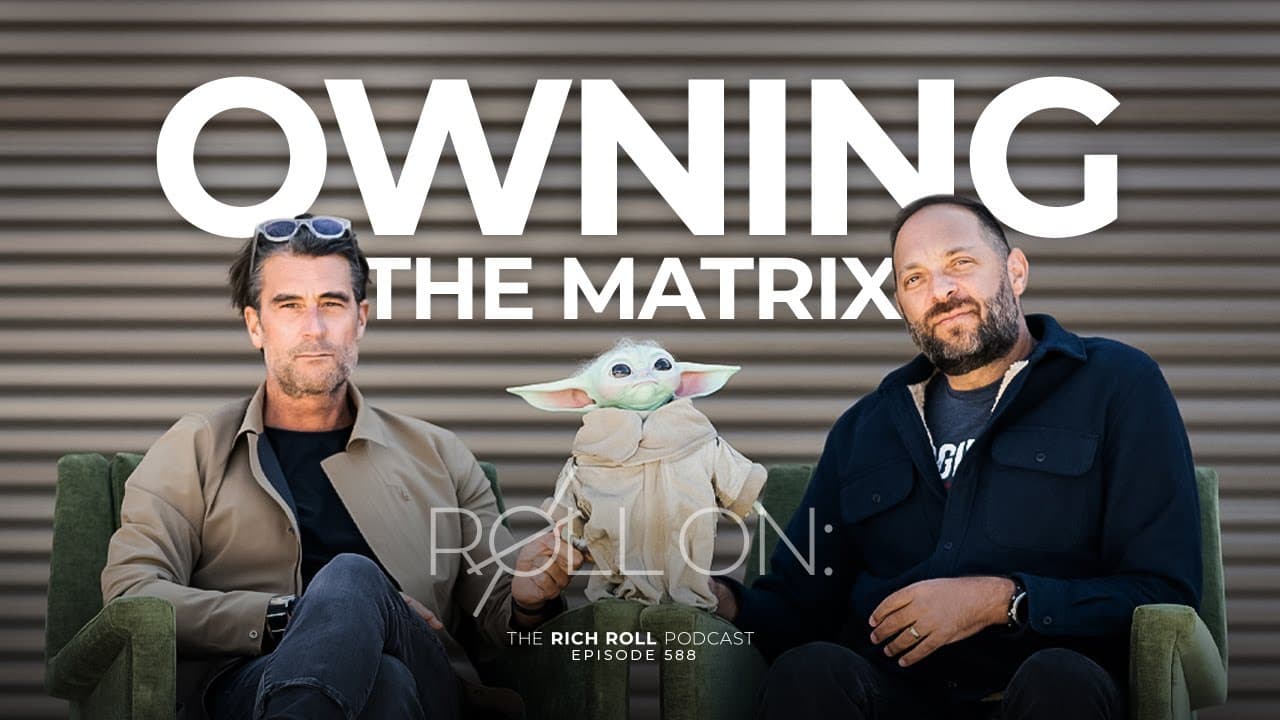
Wait 72 hours after heavy rain before swimming in the ocean because storm drains can carry street grime, toxins, and fertilizers into coastal water. Rich Roll and Adam Skolnick also discuss open-water risks, durable outdoor sleeping setups, cold plunging, cryptocurrency, blockchain, NFTs, and the David Goggins 4x4x48 challenge.
Transcript
Hey, everybody. Thank you for allowing us to once again hold you pod-hostage for another- Hostage. Rendition of Roll On. Wherein my cogitative, neighborly, and rather magnanimous sidecar, hypebeast, Mr. Adam Skolnick. And I indulge you with troll repartee, raillery, shrewd observations on concept issues and matters of importance, both great and pro... Read More
Key Insights
- The usual post-rain swimming guideline is to wait 72 hours before entering the ocean because contaminated runoff moves through storm drains and reaches coastal water.
- Stormwater runoff is described as carrying street grime, toxins, fertilizers, and similar contaminants into the ocean, creating health concerns for people who enter too soon after rainfall.
- Post-rain ocean exposure can be associated with ear infections, sinus infections, diarrhea, and dysentery, according to the risks discussed during the conversation.
- A varied-thickness triathlon wetsuit can place five-millimeter material around the chest, four-millimeter material around the thighs, and thinner material around the shoulders to balance warmth and movement.
- Open-water swimming near Point Dume involves currents, reefs, cold water, whale migration, and possible encounters with marine life, so route selection affects both the experience and perceived risk.
- The Manhattan swimming route described begins near Wall Street, travels through the East River and Harlem River, and returns along the Hudson, with garbage and hazardous water conditions among the remembered challenges.
- A cheap outdoor tent can deteriorate after roughly six months of constant sun exposure, becoming fragile, developing holes, admitting rain, and allowing moisture-related mold to affect belongings.
- The episode's broader agenda includes cryptocurrency, blockchain, Burnt Bansky, NFTs, finance, cold plunging, and the David Goggins 4x4x48 challenge, alongside listener questions and personal stories.
Install to Summarize YouTube Videos and Get Transcripts
Explore YouTube Video Summarizer or Get YouTube Transcript Extractor
Questions & Answers
Q: How long should you wait to swim after heavy rain?
The usual guideline discussed is to wait 72 hours after substantial rainfall before entering the ocean. Rain washes grime, toxins, fertilizers, and other material from streets into storm drains, which then discharge into coastal water. The speakers suggest that two days might sometimes seem sufficient after repeated rain, but they identify 72 hours as the practice normally followed.
Q: Why can ocean swimming after rain make you sick?
Ocean swimming shortly after rain can expose a person to contaminated runoff carried through storm drains. The conversation identifies street grime, toxins, fertilizers, and related pollutants as sources of concern. Potential health problems mentioned include ear infections, sinus infections, diarrhea, and dysentery. Spending time underwater may increase exposure compared with remaining mostly above the surface.
Q: What wetsuit thickness works for cold open-water swimming?
The triathlon wetsuit described uses different thicknesses across the body: five millimeters around the chest, four millimeters around the thighs, and approximately half a millimeter around the shoulders. This piecemeal construction provides insulation in some areas and mobility in others. After repeated dives, the thinner shoulder area is where the cold reportedly becomes noticeable first.
Q: What risks affect swimming near Point Dume?
Swimming near Point Dume involves cold water, currents, reef structures, and marine life. The speakers discuss whales passing during migration, sea lions with bite injuries, juvenile white sharks in the broader Santa Monica Bay area, and the uncertainty of going around the point. An out-and-back route can keep the swimmer closer to family waiting on the beach.
Q: Why should surfers also consider the 72-hour rain rule?
Surfers face the same polluted runoff that reaches the ocean after rainfall, although the conversation notes that they may be less likely to follow the 72-hour guideline when waves are favorable. Surfers also remain above water more than swimmers do, which may reduce some exposure. Even so, contaminated coastal water can still present infection and illness risks.
Q: What makes swimming around Manhattan difficult?
The Manhattan swim described requires traveling through waterways that include the East River, Harlem River, and Hudson River. Rich Roll recalls that his former Stanford swim teammate encountered garbage, needed multiple shots beforehand, and later developed a urinary infection that he said was unrelated. A dangerous whirlpool-like area near the George Washington Bridge was another remembered concern.
Q: Why consider a canvas glamping tent for regular outdoor sleeping?
A canvas glamping tent may be worth considering when a cheaper tent remains outdoors continuously and deteriorates under strong sunlight. Rich describes replacing tents about every six months because the material becomes fragile and tears. Rain then enters through holes, bedding becomes wet, and belongings can develop mold. A more substantial shelter might last longer and provide more room.
Q: What topics are covered beyond open-water swimming?
The episode ranges across personal experiences and broader cultural subjects. The title and description identify cryptocurrency, blockchain, NFTs, Burnt Bansky, finance, and the David Goggins 4x4x48 challenge. The available transcript also includes outdoor tent durability, mold, a gifted cold plunge, whale migration, sharks, contaminated runoff, the Manhattan swim, and listener voicemail questions.
Summary & Key Takeaways
-
Rich Roll and Adam Skolnick begin with open-water swimming near Point Dume, discussing cold water, wetsuit thickness, whale migration, juvenile white sharks, and local reef conditions. Their conversation emphasizes how currents, marine life, water temperature, and family responsibilities shape decisions about when and where to swim.
-
The discussion turns to ocean pollution after rainfall. Storm drains transport street grime, toxins, fertilizers, and other runoff into the sea, supporting the usual recommendation to wait 72 hours before entering. Possible consequences mentioned include ear infections, sinus infections, diarrhea, and dysentery, especially when swimmers spend substantial time underwater.
-
Rich recalls a former Stanford swim teammate completing the swim around Manhattan and encountering garbage while moving through the surrounding waterways. The conversation then shifts to outdoor sleeping, mold, canvas glamping tents, and a gifted cold plunge, while the episode description identifies cryptocurrency, blockchain, Burnt Bansky, NFTs, and finance as broader topics.
Read in Other Languages (beta)
Share This Summary 📚
Summarize YouTube Videos and Get Video Transcripts with 1-Click
Try YouTube Summary with ChatGPT & Claude or YouTube Transcript Generator
Explore More Summaries from Rich Roll 📚






Summarize YouTube Videos and Get Video Transcripts with 1-Click
Try YouTube Summary with ChatGPT & Claude or YouTube Transcript Generator