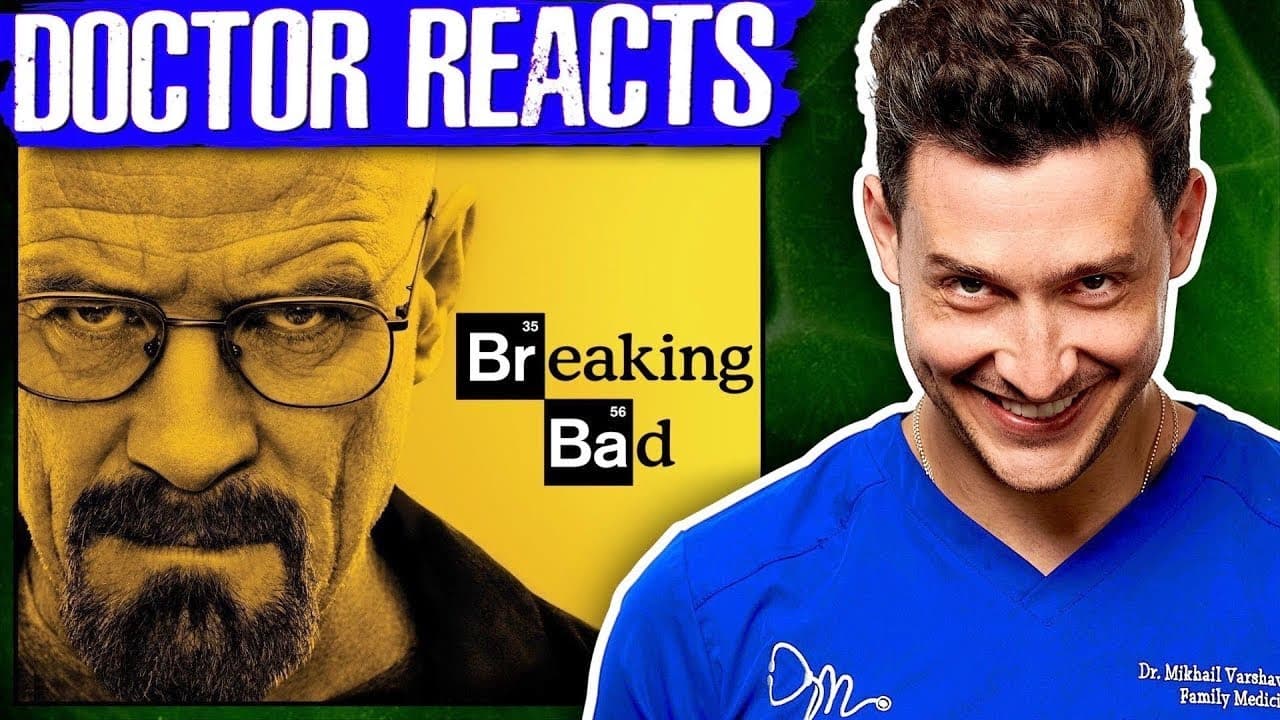
Doctor Reacts To Breaking Bad Medical Scenes
TL;DR
The analysis critiques the medical inaccuracies depicted in a popular show, highlighting serious health implications.
Transcript
- I'm the one who reacts. - [Walt Jr.] What the hell is this? - [Skyler] Hey. - [Walter] It's veggie bacon. We're watching our cholesterol, I guess. - [Walt Jr.] Not me, I want real bacon. - (laughing) This feels like my struggle right now cause I'm watching my cholesterol. It's more about decreasing the amount of saturated fat in your diet, decrea... Read More
Key Insights
- 😷 Dietary humor can mask serious health messages, especially regarding cholesterol management and healthier eating habits.
- 😷 Medical emergencies characterized in media often simplify complex processes that would require detailed assessment and intervention.
- 🦡 The communication of bad news is crucial in healthcare, necessitating a careful follow-up to ensure patient comprehension and emotional support.
- 💁 Patient confidentiality is a critical aspect of professional healthcare, emphasizing the ethical obligation to protect sensitive health information.
- 😷 The discussion of toxins like ricin illustrates misconceptions often present in dramatizations versus actual medical knowledge and treatment practices.
- 🚨 Media presentations of emergency reactions can create misleading expectations about the efficacy of immediate interventions during crises.
- ◼️ The representation of drug-related incidents in media often lacks the depth necessary to inform viewers about responsible behavior and harm reduction techniques.
Install to Summarize YouTube Videos and Get Transcripts
Explore YouTube Video Summarizer or Get YouTube Transcript Extractor
Questions & Answers
Q: What are some common misconceptions about cholesterol management presented in popular media?
The content highlights that popular media often trivializes cholesterol management by presenting humorous exchanges while neglecting serious dietary health implications. Proper education on reducing saturated fats and increasing insoluble fiber is crucial, as it impacts long-term health. Real-life dietary changes involve more focus on reading nutrition labels and making mindful food choices instead of just humorous banter.
Q: How does the depiction of medical emergencies differ from real-life protocols?
The video describes dramatic scenarios that enhance viewer engagement but overlook proper medical protocol. In real life, if someone faints, immediate assessment by trained professionals is necessary. The dramatization often leads to misinformation about how quickly diagnoses can be made and emphasizes fictionalized, expedited medical responses that might not reflect real-world practices.
Q: Why is the delivery of bad news portrayed as challenging in medical settings?
The content illustrates the emotional nuances involved in delivering bad news to patients. It's essential for healthcare providers to ensure their patients understand the gravity of their situation. Misunderstandings during such moments can lead to additional stress and confusion, which is why follow-up meetings are crucial for clarifying diagnoses and future steps.
Q: What role does patient confidentiality play in healthcare, as portrayed in the content?
The analysis points out that patient confidentiality is a fundamental principle in healthcare, aiming to protect sensitive information. It suggests patients typically should not have their health information disclosed without consent, highlighting exceptions only in cases involving imminent harm to others. This reinforces the ethical practices expected in medical environments.
Q: How does the program depict the use of castor beans and ricin, and what are the real-life implications?
The program references castor beans and ricin as potent toxins, generating intrigue around their use in plots. In real-life scenarios, ricin can be lethal; however, its effects require proper medical intervention, as portrayed inaccurately in dramatized settings. This highlights the importance of realistic considerations regarding poison in medical emergency situations.
Q: What misconceptions about emergency medical response does the video highlight?
The piece illustrates how quick and decisive medical responses, such as those shown after overdoses, are often exaggerated. In emergencies, assessing the victim and calling for professional assistance is more accurate than rapid self-declared interventions that do not reflect reality. It stresses the urgency of appropriate medical help and the complications arising from overdoses or trauma.
Q: Why is the portrayal of drug overdoses and asphyxiation in media considered problematic?
The analysis critiques the sensationalized depiction of drug overdoses in media, often leading audiences to overlook the real-life consequences and dangers involved. Proper education on how to respond to such situations, including positioning for airway safety, is crucial. The dramatization often lacks educational value, potentially creating misconceptions for viewers unfamiliar with emergency responses.
Summary & Key Takeaways
-
The dialogue showcases a humorous interaction between characters over dietary choices, emphasizing the importance of cholesterol management and dietary fats.
-
Medical emergencies presented in the show include fainting and potential heart attacks, stressing the need for urgent evaluation by an ER team.
-
The portrayal of bad news delivery in medicine reveals patients' difficulty processing diagnoses, underscoring the necessity for follow-up conversations with healthcare providers.
Read in Other Languages (beta)
Share This Summary 📚
Summarize YouTube Videos and Get Video Transcripts with 1-Click
Try YouTube Summary with ChatGPT & Claude or YouTube Transcript Generator
Explore More Summaries from Doctor Mike 📚

Summarize YouTube Videos and Get Video Transcripts with 1-Click
Try YouTube Summary with ChatGPT & Claude or YouTube Transcript Generator