What is Neuroplasticity and How Does It Work?
TL;DR
Neuroplasticity is the brain's remarkable ability to rewire itself through practice and learning, enabling both memory and skill acquisition. It operates through chemical, structural, and functional changes in the brain, influenced by our behaviors. Understanding neuroplasticity can enhance learning and recovery from brain injuries.
Transcript
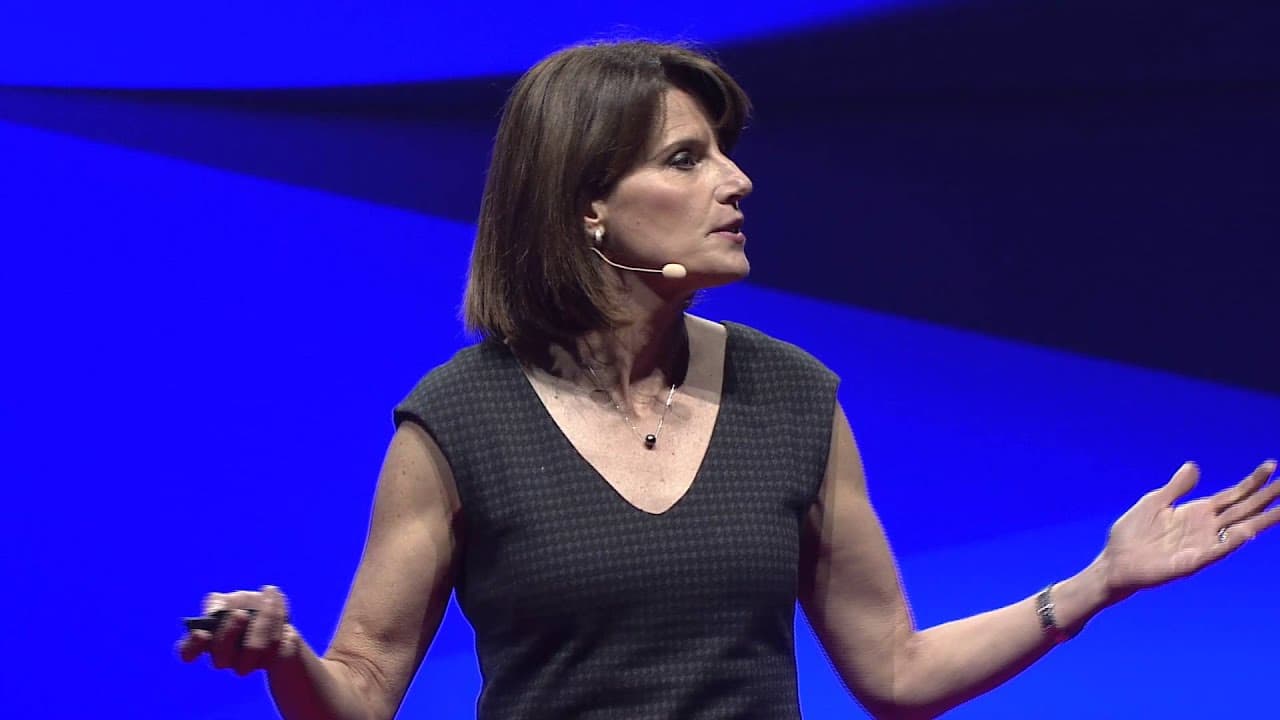
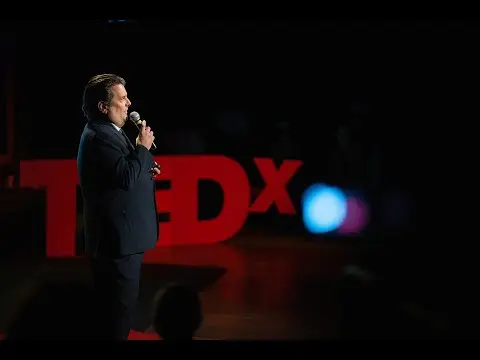
Translator: Jessica Lee Reviewer: Denise RQ So how do we learn? And why does some of us learn things more easily than others? So, as I just mentioned, I'm Dr. Lara Boyd. I am a brain researcher here at the University of British Columbia. These are the questions that fascinate me. (Cheers) (Applause) So brain research is one of the great frontiers i... Read More
Key Insights
- 🧠 Neuroplasticity allows the brain to change and adapt through practice and learning.
- 🧠 Chemical, structural, and functional changes in the brain support neuroplasticity.
- ⚾ Personalized learning interventions based on individual biomarkers may be more effective in facilitating learning.
- 🧠 The brain's plasticity can be harnessed for both positive and negative outcomes.
- ⬛ The dose of practice required for learning is large and challenging to deliver effectively.
- 🧠 Recovery from stroke can be aided by stimulating neuroplasticity and facilitating brain reorganization.
- 💱 Behavioral changes and habits significantly impact neuroplasticity and learning.
Install to Summarize YouTube Videos and Get Transcripts
Explore YouTube Video Summarizer or Get YouTube Transcript Extractor
Questions & Answers
Q: What is neuroplasticity and how does it affect learning?
Neuroplasticity refers to the brain's ability to change and adapt through practice and learning. It allows the brain to increase chemical signaling, alter its structure, and change its function to support learning and memory.
Q: How does neuroplasticity help in recovery from stroke?
Neuroplasticity plays a vital role in recovery from stroke by facilitating brain reorganization and supporting the development of new neural pathways. With neuroplasticity, the brain can compensate for the damaged areas and restore lost function.
Q: Is there a one-size-fits-all approach to learning?
No, there is no one-size-fits-all approach to learning. Every individual's brain is unique, and the extent of neuroplasticity varies from person to person. Personalized learning interventions based on individual biomarkers may be more effective in facilitating learning.
Q: How can individuals optimize neuroplasticity and learning?
To optimize neuroplasticity and learning, individuals should engage in behaviors that challenge and stimulate the brain. Increasing the difficulty and struggle during practice can lead to more learning and structural changes in the brain. Consistent practice and repetition are crucial for establishing long-term memory.
Key Insights:
- Neuroplasticity allows the brain to change and adapt through practice and learning.
- Chemical, structural, and functional changes in the brain support neuroplasticity.
- Personalized learning interventions based on individual biomarkers may be more effective in facilitating learning.
- The brain's plasticity can be harnessed for both positive and negative outcomes.
- The dose of practice required for learning is large and challenging to deliver effectively.
- Recovery from stroke can be aided by stimulating neuroplasticity and facilitating brain reorganization.
- Behavioral changes and habits significantly impact neuroplasticity and learning.
- The uniqueness of each individual's brain affects their learning abilities and preferences.
Summary & Key Takeaways
-
The brain is constantly changing and can reorganize itself through neuroplasticity.
-
Neuroplasticity occurs through chemical changes, structural changes, and functional changes in the brain.
-
Neuroplasticity is influenced by behavior and is crucial for learning and recovery from brain damage.
Read in Other Languages (beta)
Share This Summary 📚
Summarize YouTube Videos and Get Video Transcripts with 1-Click
Try YouTube Summary with ChatGPT & Claude or YouTube Transcript Generator
Explore More Summaries from TEDx Talks 📚


Summarize YouTube Videos and Get Video Transcripts with 1-Click
Try YouTube Summary with ChatGPT & Claude or YouTube Transcript Generator