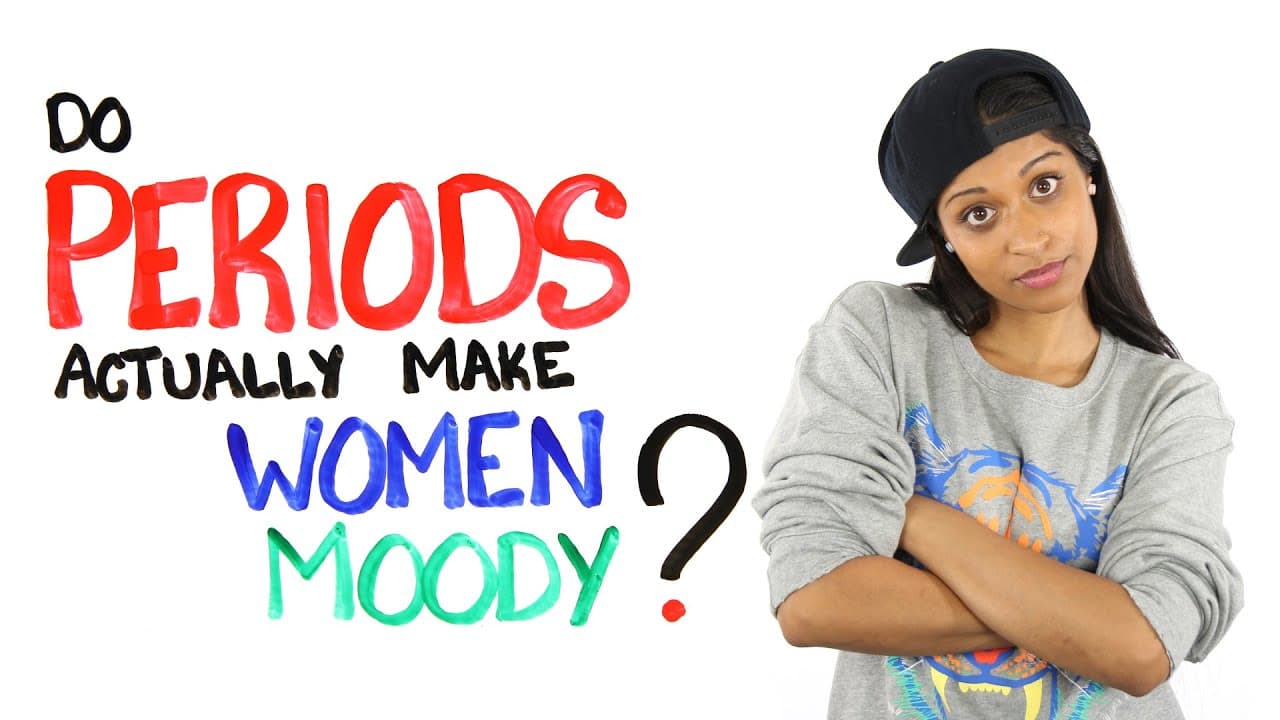
Do Periods Actually Make Women Moody? Ft. iiSuperwomanii
TL;DR
Periods themselves do not cause the hormonal changes associated with moodiness; PMS can cause mood changes 7–14 days before bleeding begins. Estrogen and progesterone peak while the uterine lining forms and may affect brain messengers, while the amygdala becomes more active and serotonin and GABA levels fall. Read on to understand how PMS differs from menstruation and why experiences vary.
Transcript
this is Lily also known as Superwoman on YouTube and as a member of the female sex she experiences her period on a monthly basis you see the first time I got my period I had no idea what was going on I walked into the washroom took down my underwear and I was like what is this because I never got the talk so I was so concerned and like my mind was ... Read More
Key Insights
- 🏍️ The menstrual cycle is a complex process that prepares the body for potential pregnancy.
- ❓ PMS occurs before menstruation and can cause physical and psychological symptoms.
- 🧠 Hormonal changes in the brain during PMS can result in mood swings and increased stress and anxiety levels.
- ❓ Menstruation involves the shedding of the uterine lining and can cause cramping and bloating.
- 🖐️ The menstrual cycle plays a crucial role in the perpetuation of the human species.
- 🧔♀️ PMS symptoms can vary greatly among women.
- 🏍️ Understanding the menstrual cycle can help debunk myths and misconceptions about PMS and menstruation.
Install to Summarize YouTube Videos and Get Transcripts
Explore YouTube Video Summarizer or Get YouTube Transcript Extractor
Questions & Answers
Q: Do periods actually make women moody?
The transcript distinguishes menstruation from PMS: mood changes can occur during PMS, 7–14 days before bleeding begins. Estrogen and progesterone are thought to affect brain messengers, while amygdala activity increases and serotonin and GABA levels decrease.
Q: When does PMS occur in relation to a period?
PMS occurs 7–14 days before a girl shows signs of bleeding. This timing corresponds with estrogen and progesterone peaking as the uterine lining is created.
Q: Why can PMS cause mood swings, stress, and anxiety?
Estrogen and progesterone enter the bloodstream and are thought to interfere with neurotransmitters in the brain. The transcript also describes increased amygdala activity and lower levels of serotonin and GABA, meaning stress and anxiety can run high.
Q: What psychological symptoms can PMS cause?
PMS can produce mood changes, anger, crying, irritability, stress, and anxiety. These symptoms happen before menstruation and may not coincide with bleeding.
Q: What physical symptoms can PMS cause?
Physical PMS symptoms can include an upset stomach, difficulty sleeping, and nausea. The type and severity of symptoms vary from one woman to another.
Q: Are PMS symptoms the same for every woman?
No, one woman’s PMS may differ from another’s in both symptoms and severity. The transcript says this variation makes it difficult for health professionals to reach a clear understanding of how PMS works.
Q: What causes menstruation to begin?
Menstruation begins when fertilization has not occurred and estrogen and progesterone levels drop sharply. The body then sheds the nutrient-rich uterine lining that it created for a potential pregnancy.
Q: What happens during the menstrual cycle?
Once a month, one egg is released from an ovary and spends roughly three days traveling to the uterus. Meanwhile, the uterus creates a nutrient-rich lining; if fertilization does not occur, that lining is shed, which can cause cramping and bloating.
Summary & Key Takeaways
-
Every month, a woman's ovaries release one egg, which travels to the uterus, where the lining is prepared to support pregnancy.
-
Hormonal changes in the brain, such as increased levels of estrogen and progesterone, can lead to premenstrual syndrome (PMS), causing physical and psychological symptoms.
-
The shedding of the uterine lining during menstruation can cause cramping, bloating, and other discomforts.
Read in Other Languages (beta)
Share This Summary 📚
Summarize YouTube Videos and Get Video Transcripts with 1-Click
Try YouTube Summary with ChatGPT & Claude or YouTube Transcript Generator
Explore More Summaries from AsapSCIENCE 📚



Summarize YouTube Videos and Get Video Transcripts with 1-Click
Try YouTube Summary with ChatGPT & Claude or YouTube Transcript Generator