What If We Killed Every Mosquito On Earth?
TL;DR
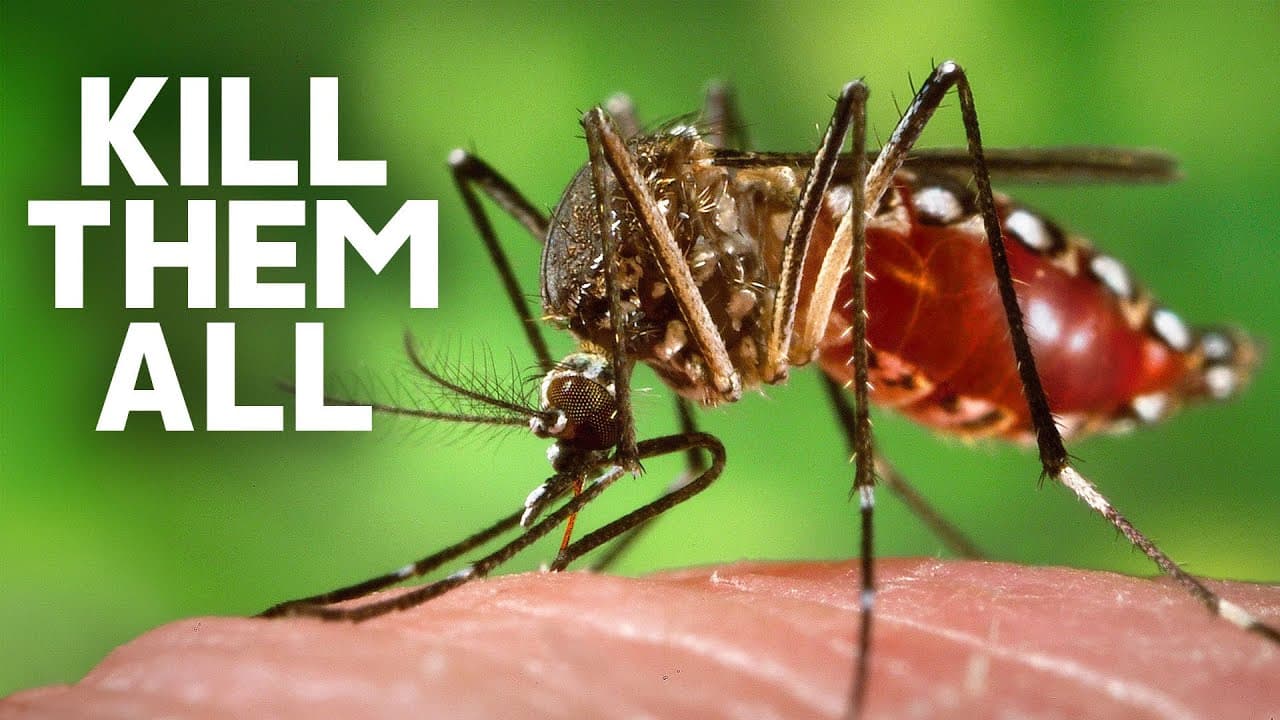
Scientists are using a bacteria called wakia to stop disease transmission from mosquitoes, leading to the creation of a mosquito factory in Brazil that produces 100 million mosquitoes a week to reduce diseases like malaria and dengue fever.
Transcript
a mosquito Factory in Brazil is about to unleash 5 billion infected mosquitoes across the country for the first time ever is this the beginning of a sci-fi film or one of the most ingenious bits of science I've come across in a Long Time spoiler alert it's the ladder we all hate mosquitoes right and not for no reason on top of being a pure nuisance... Read More
Key Insights
- 🦟 Mosquitoes are the deadliest animal to humans, primarily due to disease transmission.
- 🦟 Killing all mosquitoes is not feasible, but infecting them with wakia can reduce disease transmission.
- 🦟 The creation of a mosquito factory in Brazil aims to produce 100 million infected mosquitoes a week for disease control.
- 🔡 Deploying wakia-infected mosquitoes has shown significant reductions in dengue fever cases, with some regions experiencing record lows.
- ✋ Wakia-infected mosquitoes are a supplementary measure and not a replacement for vaccines in high-risk regions.
- 🍧 There is no known risk associated with having wakia in the environment for humans.
- 😒 Other countries are evaluating the use of this technology for disease control.
Install to Summarize YouTube Videos and Get Transcripts
Explore YouTube Video Summarizer or Get YouTube Transcript Extractor
Questions & Answers
Q: Why do scientists want to make more mosquitoes instead of destroying them all?
Destroying all mosquitoes is not feasible and may have unknown ecological consequences. By infecting mosquitoes with wakia, scientists can prevent disease transmission without killing them all.
Q: How does wakia prevent disease transmission?
Wakia outcompetes pathogens like the dengue virus in mosquitoes. When wakia-infected mosquitoes mate with non-infected ones, the eggs won't hatch. As a result, the number of wakia-carrying mosquitoes rapidly increases, lowering disease transmission.
Q: What results have been achieved with wakia-infected mosquitoes?
Studies have shown that deploying wakia-infected mosquitoes can reduce cases of dengue fever by up to 97%. For example, the Abura Valley in Colombia saw a 95% decline in dengue fever after the release of these modified mosquitoes.
Q: Are there any risks associated with having wakia in the environment?
Around 50% of insects naturally have wakia, including the common house mosquito. There is currently no known link between wakia and negative outcomes for humans.
Summary & Key Takeaways
-
Mosquitoes are the deadliest animal to humans, primarily spreading diseases like malaria and dengue fever.
-
Although few species heavily rely on mosquitoes, their elimination would not have a significant impact on humans.
-
Scientists have discovered that the bacteria wakia can prevent disease transmission from mosquitoes, leading to the creation of a mosquito factory in Brazil to produce infected mosquitoes for disease control.
Read in Other Languages (beta)
Share This Summary 📚
Summarize YouTube Videos and Get Video Transcripts with 1-Click
Try YouTube Summary with ChatGPT & Claude or YouTube Transcript Generator
Explore More Summaries from AsapSCIENCE 📚




Summarize YouTube Videos and Get Video Transcripts with 1-Click
Try YouTube Summary with ChatGPT & Claude or YouTube Transcript Generator