How Does an Accountant Get Involved in Drug Trafficking?
TL;DR
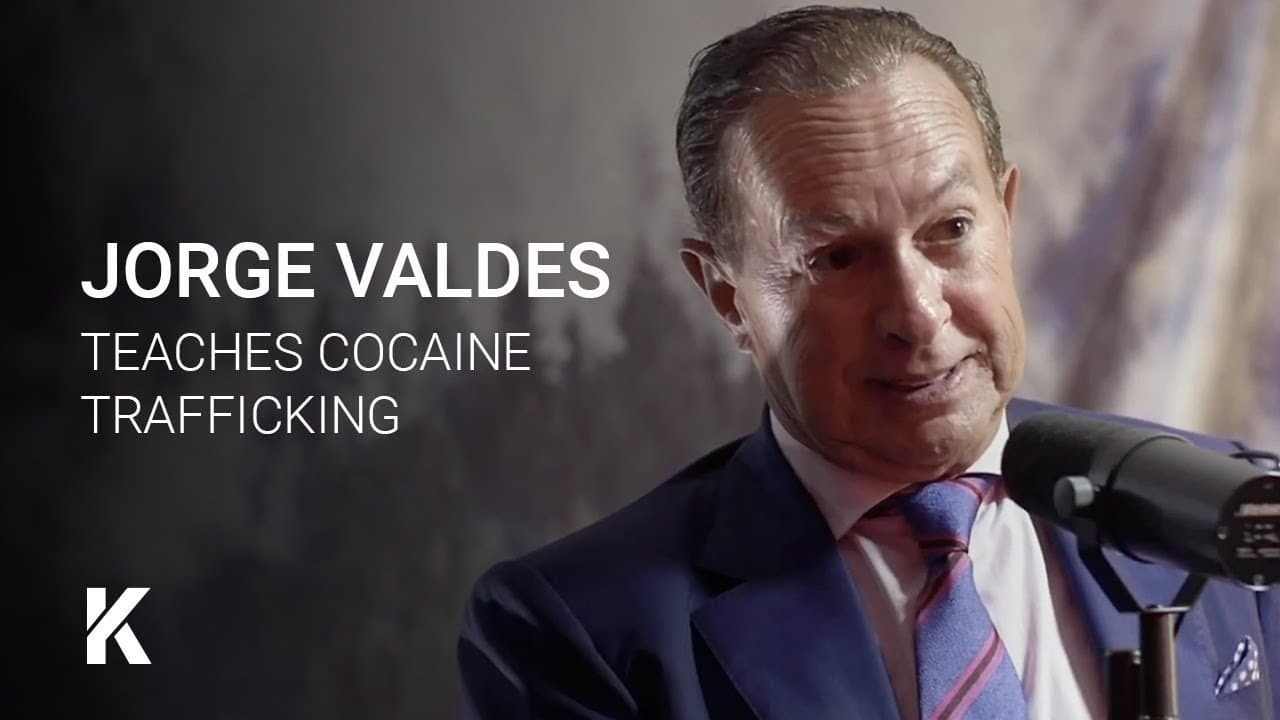
An accountant becomes unwittingly involved in drug trafficking when he's asked to conduct a feasibility study for a banana import business, which turns out to be a cover for smuggling cocaine. Initially hesitant, he negotiates a deal that aligns with his financial interests, ultimately leading to significant profits while navigating the dangerous world of organized crime.
Transcript
so I met with him and and this is what was interesting how he got me because Manuel like I said he was very educated man he was a businessman you know so the first thing he asked me says look I want to open a banana import company and I need you to do a feasibility study for me had he come in there say look here's $30,000 build me a banana company ... Read More
Key Insights
- 😥 The initial approach for a legitimate business opportunity can serve as a deceptive entry point into the world of crime.
- 👨💼 Understanding feasibility studies may reveal hidden agendas behind business ventures that appear legitimate.
- ❓ Partnerships in criminal enterprises often involve complex negotiations that prioritize profit over legality.
- 💝 The drug trade during the late 70s provided unique challenges due to a lack of regulatory awareness and enforcement.
- 🥺 Growing wealth in illegal activities can lead to a false sense of security, obscuring the risks involved.
- ✊ Young individuals can unwittingly find themselves in positions of power within criminal organizations, highlighting vulnerabilities in law enforcement.
- ✋ The dynamics of drug trafficking require advanced organizational skills, resembling formal business operations but with significantly higher stakes.
Install to Summarize YouTube Videos and Get Transcripts
Explore YouTube Video Summarizer or Get YouTube Transcript Extractor
Questions & Answers
Q: What led the narrator to initially work with the businessman?
The narrator was approached by a businessman named Manuel who requested a feasibility study for a banana import company. He found this approach legitimate compared to direct payment for starting a business, which raised red flags for him. His educational background allowed him to do an analytical study that revealed potential profitability, setting the stage for deeper involvement.
Q: How did the narrator realize he was working with a drug cartel?
Although initially unaware of the drug trafficking operations, the narrator began to notice inconsistencies when associates hinted at the true nature of the business. A colleague's comments and the escalation in requests for profits led him to understand that his partners were involved in importing cocaine disguised as bananas.
Q: What were the financial implications of the narrator's involvement?
After joining the operation, the narrator established a highly profitable drug import business, generating millions of dollars monthly. He was able to negotiate terms that ensured he had sufficient cash flow for personal investments, leveraging the cartel's resources while maintaining his position as a young partner.
Q: How did the narrator manage the complexities of drug trafficking?
The narrator took charge of operations, developing a network for importation and distribution that involved foreign banks and strategic planning. His ability to navigate and manage these complexities allowed him to thrive despite the inherent risks and dangers of the drug trade, earning him a reputation in the criminal underworld.
Q: What were the narrator's feelings about his young age and role in the cartel?
Throughout his involvement, the narrator expressed disbelief about his significant role, often feeling overwhelmed by the responsibilities placed upon him. Despite his youth and inexperience, he demonstrated remarkable adaptability and intelligence in managing the logistics and finances of a complex drug trafficking operation.
Q: How did the narrator's life change as he became involved in drug trafficking?
The transition from an accountant to a drug cartelist transformed his lifestyle dramatically. He went from a typical career path to accumulating vast wealth and navigating a dangerous criminal world, which came with constant risks of violence, law enforcement, and moral dilemmas he had not anticipated.
Q: What was the narrator's relationship with other powerful figures in the drug trade?
The narrator formed connections with influential figures in the drug trade, including Bolivian officials. His interactions were often transactional and strategic, showcasing a dual-world experience where he’d deal with the bureaucracy of drug smuggling while also facing intense personal threats to his safety and freedom.
Q: What does the narrator suggest about understanding the drug trade?
The narrator implies that many aspects of the drug trade are shrouded in misunderstanding, especially from an outsider's perspective. He describes a system that grappled with legitimacy versus criminality and argues that everyone can easily misjudge the dangers and realities of the environment they operate in, highlighting the complexity of such decisions.
Summary & Key Takeaways
-
The narrator, a young accountant, is approached by a businessman for a feasibility study on a banana import company, which he later discovers is a front for drug trafficking.
-
Despite initial reservations and a strong ethical stance, the narrator becomes a key player in a drug operation after negotiating terms that align his financial interests with the cartel's illegal activities.
-
As he becomes increasingly entrenched in the drug trade, he finds himself making significant profits while navigating the complexities and dangers of the criminal underworld.
Read in Other Languages (beta)
Share This Summary 📚
Summarize YouTube Videos and Get Video Transcripts with 1-Click
Try YouTube Summary with ChatGPT & Claude or YouTube Transcript Generator
Explore More Summaries from Danny Jones 📚

Summarize YouTube Videos and Get Video Transcripts with 1-Click
Try YouTube Summary with ChatGPT & Claude or YouTube Transcript Generator