What Is the Pace Layer Model and How Does It Work?
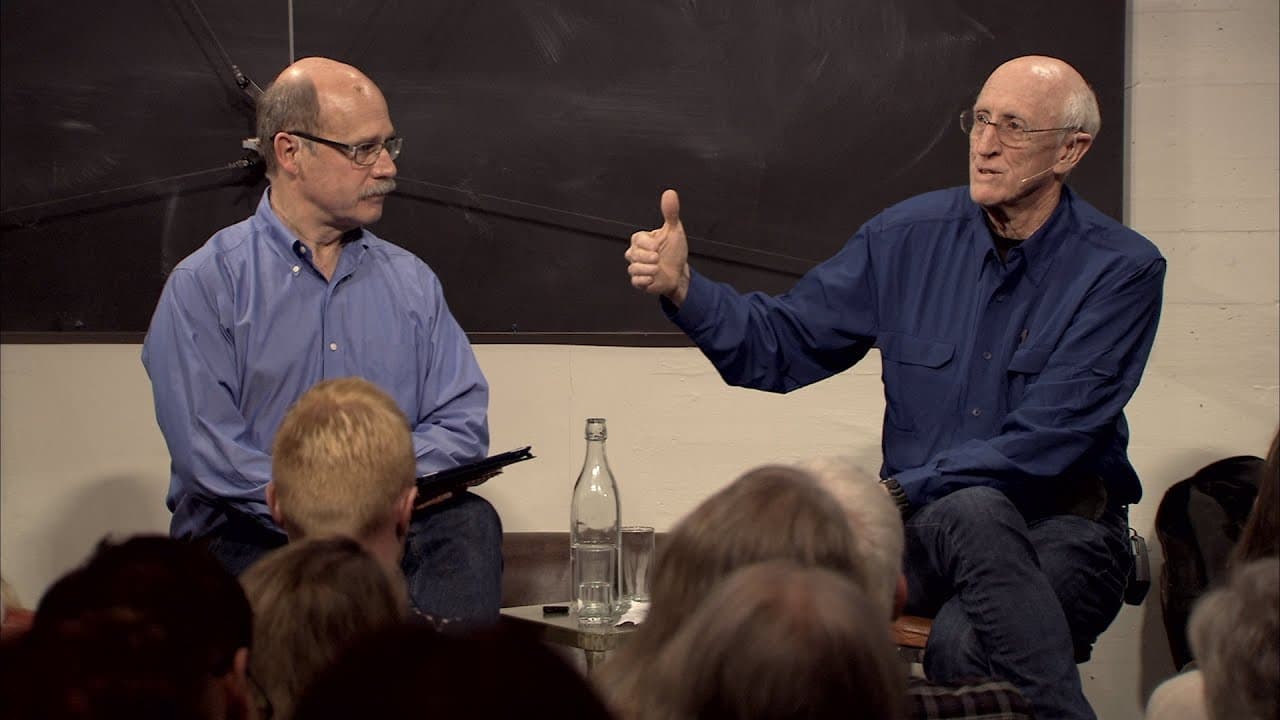
TL;DR
The pace layer model explains how different societal layers interact, with fast-moving layers like fashion and commerce driving change, while slow-moving layers such as culture and governance provide stability. This framework helps understand the dynamics of innovation and continuity, particularly in contexts like urbanization and governance adaptation.
Transcript
good evening I'm Alexandra rose on the executive director here at Long now this is the first one of the talks that we've done here at the interval that's being livestream so everyone say hi to the livestream all right yeah so hopefully we'll do more of these in the future but we have many members out there listening to the livestream the next talk ... Read More
Key Insights
- 👾 The pace layer model helps understand the dynamics of different layers of society and how they interact.
- 🥺 Urbanization and the growth of cities lead to faster-paced changes in infrastructure and culture.
- 👾 Governance plays a crucial role in adapting to fast-paced changes and providing stability.
- 💨 Exponential changes and accelerating technologies can have profound effects on the fast-moving layers of society, but slower layers can counterbalance these effects.
Install to Summarize YouTube Videos and Get Transcripts
Explore YouTube Video Summarizer or Get YouTube Transcript Extractor
Questions & Answers
Q: How does the pace layer model apply to the future of architecture and the use of machines in construction?
The model suggests that the use of machines in construction allows for new possibilities and innovations in architecture, as small entities can now do things that were previously only possible for large organizations. This can lead to greater flexibility and creativity in the field of architecture.
Q: How does the pace layer model relate to urbanization and the growth of cities?
The model suggests that cities, as centers of innovation and commerce, tend to have faster-moving layers. This can lead to rapid changes in urban areas, both in terms of infrastructure and culture. The model also highlights the importance of city governance, which needs to adapt and respond to the fast-paced changes happening in cities.
Q: Can the pace layer model be applied to other areas besides architecture and urbanization?
Yes, the model can be applied to various areas, such as technology and governance. In technology, fast-moving layers like innovation and fashion drive change, while slow-moving layers like infrastructure and governance provide stability and support. In governance, the model can help understand the interactions between different layers and the need for responsiveness to fast-paced changes.
Q: How do Exponential changes and accelerating technologies fit into the pace layer model?
The pace layer model is a useful framework for understanding the different speeds at which different aspects of society change. Exponential changes, such as technological advancements, can have a significant impact on fast-moving layers like innovation and commerce. However, the model also suggests that slower layers like culture and governance can counterbalance the effects of exponential change and provide stability and continuity.
Summary & Key Takeaways
-
The pace layer model was developed to understand why architects continue to build structures that people dislike, with different layers representing different aspects of society and how they change over time.
-
The model suggests that fast-moving layers, such as fashion and commerce, drive innovation and change, while slow-moving layers, such as culture and governance, provide stability and continuity.
-
The model can be applied to other areas such as technology and governance, to understand how different layers interact in these contexts as well.
Read in Other Languages (beta)
Share This Summary 📚
Summarize YouTube Videos and Get Video Transcripts with 1-Click
Try YouTube Summary with ChatGPT & Claude or YouTube Transcript Generator
Explore More Summaries from Long Now Seminars 📚
Summarize YouTube Videos and Get Video Transcripts with 1-Click
Try YouTube Summary with ChatGPT & Claude or YouTube Transcript Generator