How Can AI Revolutionize Animation in Video Games?
TL;DR
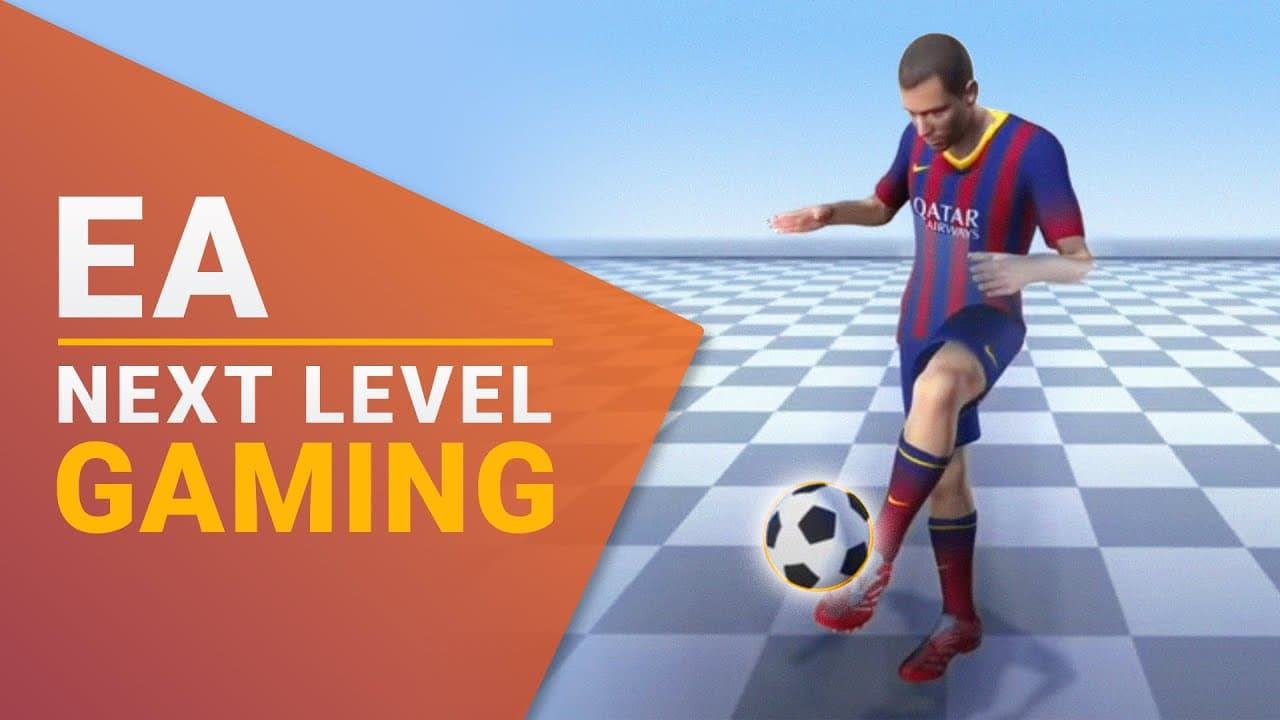
AI is transforming video game animation by enabling seamless transitions and realistic physics interactions. An AI developed by Sebastian Starke can juggle various objects, adapt to external factors like wind, and perform complex moves, showcasing its adaptability and potential for high-quality animations. This breakthrough promises to enhance the realism and fluidity of character movements in gaming.
Transcript
Dear Fellow Scholars, this is Two Minute Papers with Dr. Károly Zsolnai-Fehér. Today you are going to witness how an AI learned to perform these amazing juggling skills. And not only with the ball. And I am very excited for this. Why is that? Well, because I see that this paper was co-authored by our friend, Sebastian Starke, which means th... Read More
Key Insights
- ✋ Traditional animation techniques in computer gaming have struggled to create realistic and high-quality animations, with challenges in transitions between movements and physics simulation.
- ⚾ AI-based systems utilizing learning algorithms and human movement data can overcome these challenges and create smooth and believable animations.
- 🧑🏭 The AI system developed by Sebastian Starke showcases impressive juggling skills, capable of adapting to different objects, handling external factors, and performing physics-based movements.
- 🧡 The AI system's ability to learn from a diverse range of movement data and generalize to new situations highlights its intelligent algorithm and adaptability.
- ↩️ The AI system's capability to seamlessly combine multiple movements, such as juggling while turning, showcases its versatility and natural integration of motions.
- 🧻 The AI system's ability to juggle various objects, including unconventional ones like a box or toilet paper, emphasizes its adaptability and wide range of applications.
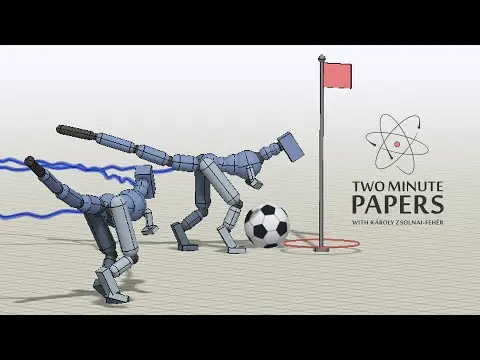
- ⚾ The AI system's physics-based movements, such as stopping the ball with its foot or kicking the ball to varying heights, demonstrates the advantages of a physics-based system for realistic animations.
Install to Summarize YouTube Videos and Get Transcripts
Explore YouTube Video Summarizer or Get YouTube Transcript Extractor
Questions & Answers
Q: How does the AI system learn juggling skills?
The AI system learns juggling skills by analyzing a large dataset of human movement data. It can observe how humans move and translate that knowledge into fluid and believable animations.
Q: Can the AI system handle external factors like wind?
Yes, the AI system is capable of adjusting to new situations like wind blowing the ball away. It demonstrates the hallmark of an intelligent algorithm by adapting to these new conditions seamlessly.
Q: Can the AI system combine multiple movements, such as juggling while turning?
Yes, the AI system can combine different movements, as seen in its ability to juggle while turning. It learns from the training data, which includes people turning around and juggling, and seamlessly integrates the two motions.
Q: Can the AI system juggle objects other than a ball?
Yes, the AI system can juggle various objects, as demonstrated with a box, an American football, and even toilet paper. It shows the versatility and adaptability of the AI in performing juggling skills.
Summary & Key Takeaways
-
Previous animation techniques in computer gaming have resulted in unrealistic and low-quality animations, with transitions between movements and physics simulation being major challenges.
-
AI-based systems, using a learning-based approach and analyzing human movement data, are promising to overcome these challenges and create smooth and believable animations.
-
The AI system developed by Sebastian Starke demonstrates impressive juggling skills, able to adapt to different objects, handle external factors like wind, and perform physics-based movements.
Read in Other Languages (beta)
Share This Summary 📚
Summarize YouTube Videos and Get Video Transcripts with 1-Click
Try YouTube Summary with ChatGPT & Claude or YouTube Transcript Generator
Explore More Summaries from Two Minute Papers 📚

Summarize YouTube Videos and Get Video Transcripts with 1-Click
Try YouTube Summary with ChatGPT & Claude or YouTube Transcript Generator