How to Stay Resilient When Life Changes Course
TL;DR
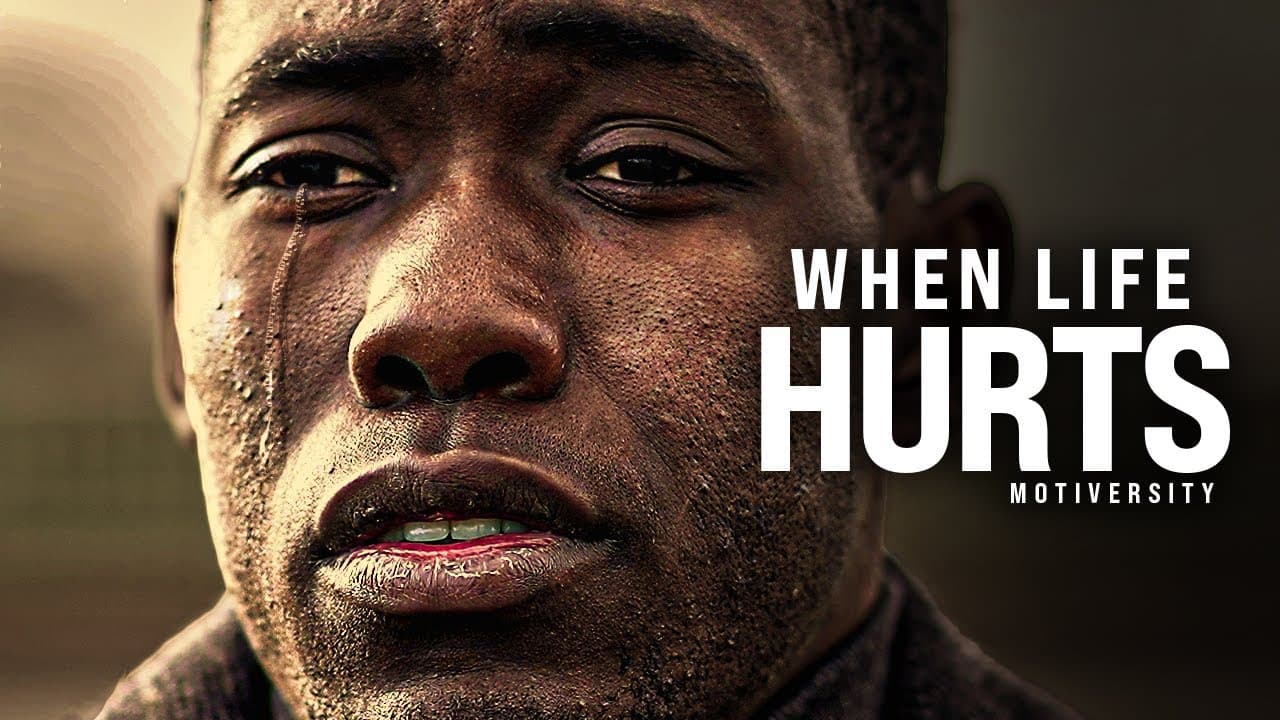
Focus on controlling your attitude, emotions, perspective, speech, and responses when circumstances fall outside your control. Adversity can redirect your identity and purpose, but resilience begins with surviving what you cannot yet understand, staying committed after motivation fades, and deliberately extracting a lesson or blessing from painful experiences.
Transcript
I'll get to it tomorrow I'm like who promised you that because light changes so quick we live our lives and we feel as if we're promised something we really don't have any control we can control what we possess emotions attitude thought process perspective how we speak how we respond but just life in general we have no control of that but it's so m... Read More
Key Insights
- Life is not promised or fully controllable, because circumstances can change quickly regardless of personal plans. The practical response is to concentrate on what can be influenced, including emotions, attitude, thought process, perspective, speech, and responses.
- Adversity is a teacher when a person remains open to its lessons. Painful opposition can shape perspective, create humility, keep a person grounded, and produce defining moments that reveal qualities that comfort and convenience may never expose.
- Attitude drives performance during challenge and controversy. A person's true character becomes visible when events do not unfold as desired, because smiling during favorable conditions is easier than maintaining constructive beliefs and behavior when circumstances become painful.
- Johnson's football injury abruptly separated his identity from his expected NFL career. He was projected as a top 30 draft pick, but a tackle against Air Force left his right arm and hand paralyzed and required immediate surgery to save his life.
- Purpose can emerge through repeated redirection rather than a single clear transition. Johnson first expected to play professional football, then considered coaching, and later became intentional about speaking after others repeatedly encouraged him to share his experiences.
- Painful experiences can become useful to other people after the person affected has found peace and learned how to manage them. Sharing those lessons is presented as a responsibility because everyone has endured something or will eventually encounter hardship.
- Survival may need to come before understanding when hardship is especially severe. Instead of demanding an immediate explanation for every painful event, Johnson recommends focusing first on enduring the experience and later looking for lessons, blessings, or constructive meaning.
- Commitment is staying true to a decision after the original mood has disappeared. Johnson applies this principle to beliefs, character, and personal essence, arguing that his arm and hand became paralyzed while his identity and integrity as a man did not.
Install to Summarize YouTube Videos and Get Transcripts
Explore YouTube Video Summarizer or Get YouTube Transcript Extractor
Questions & Answers
Q: How can you stay resilient when life changes unexpectedly?
Resilience begins by separating uncontrollable circumstances from controllable responses. Life itself cannot be fully managed, but emotions, attitude, thought process, perspective, speech, and reactions can be conditioned. When events become confusing or painful, focus first on surviving them. Then look for a lesson, blessing, or useful direction without allowing negativity, complaints, or quitting to determine your character.
Q: What can you control when facing adversity?
You can control what you possess internally, including your emotions, attitude, thought process, perspective, manner of speaking, and response to events. You cannot control life in general or guarantee that plans will unfold as expected. Concentrating on internal choices gives you a constructive place to act when injury, opposition, uncertainty, or an unwanted redirection removes control over external outcomes.
Q: Why does attitude matter during difficult circumstances?
Attitude matters because it drives performance and influences how a person responds when plans fail. Comfort and convenience do not fully reveal character, since positive behavior is easier when conditions are favorable. Challenge and controversy provide the true test. A constructive attitude helps a person endure uncertainty, resist easy negativity, and search for something useful within an experience that cannot be changed.
Q: How did Inky Johnson's injury change his life?
Johnson entered his junior year close to reaching the NFL and had paperwork projecting him as a top 30 draft pick. During a game against Air Force, a tackle caused his body to go limp and left lasting damage in his right arm and hand. Emergency surgery was required to save him, his football career ended, and the identity he had placed in the game disappeared.
Q: How can adversity lead someone toward a new purpose?
Adversity can remove an expected path and force a person to recognize abilities or responsibilities that were previously ignored. Johnson's life was redirected several times after football. He considered coaching and resisted speaking because he believed everyone had a story. Repeated encouragement and a strong feeling during a school assembly eventually led him to become more intentional about sharing what he had learned.
Q: Why should people share lessons from painful experiences?
Painful experiences are not only useful to the person who survives them. Once someone reaches peace and learns how to deal with hardship, sharing those lessons can help others who are fighting similar battles. Johnson does not say every experience must be presented to the entire world. His point is that honest sharing can turn private adversity into support, perspective, and encouragement for another person.
Q: What does commitment mean when motivation disappears?
Commitment means remaining true to what you said you would do long after the mood in which you said it has left. For Johnson, that standard includes remaining faithful to his beliefs, core, and personal character after paralysis and the loss of football. Commitment is therefore not dependent on excitement or favorable conditions. It is demonstrated through consistency when circumstances make consistency difficult.
Q: Should you try to understand hardship immediately?
Not every hardship can be understood while it is happening, especially when the experience is severe and disorienting. Johnson advises people to stop demanding an immediate explanation and focus on surviving first. Understanding, peace, and meaning may develop later. This approach does not deny the pain. It creates enough mental space to endure it and eventually extract a lesson, blessing, or constructive perspective.
Summary & Key Takeaways
-
Inky Johnson says life can change quickly, so tomorrow should never be treated as guaranteed. People cannot control life in general, but they can influence their emotions, attitudes, thoughts, perspectives, words, and responses. These choices become especially important during adversity, when negativity, complaining, and quitting appear easiest.
-
Johnson was approaching his NFL goal when a tackle against Air Force left his right arm and hand paralyzed and required emergency surgery. The injury ended the career on which he had built his identity. It forced him to accept a painful redirection that he could neither control nor immediately understand.
-
Johnson eventually discovered purpose in speaking after initially resisting invitations to share his story. He argues that painful experiences are not only for the person enduring them. After reaching peace and learning how to cope, people have a responsibility to share their lessons because others are also fighting difficult battles.
Read in Other Languages (beta)
Share This Summary 📚
Summarize YouTube Videos and Get Video Transcripts with 1-Click
Try YouTube Summary with ChatGPT & Claude or YouTube Transcript Generator
Explore More Summaries from Motiversity 📚


Summarize YouTube Videos and Get Video Transcripts with 1-Click
Try YouTube Summary with ChatGPT & Claude or YouTube Transcript Generator