How to Reduce Everyday Toxin Exposure Safely
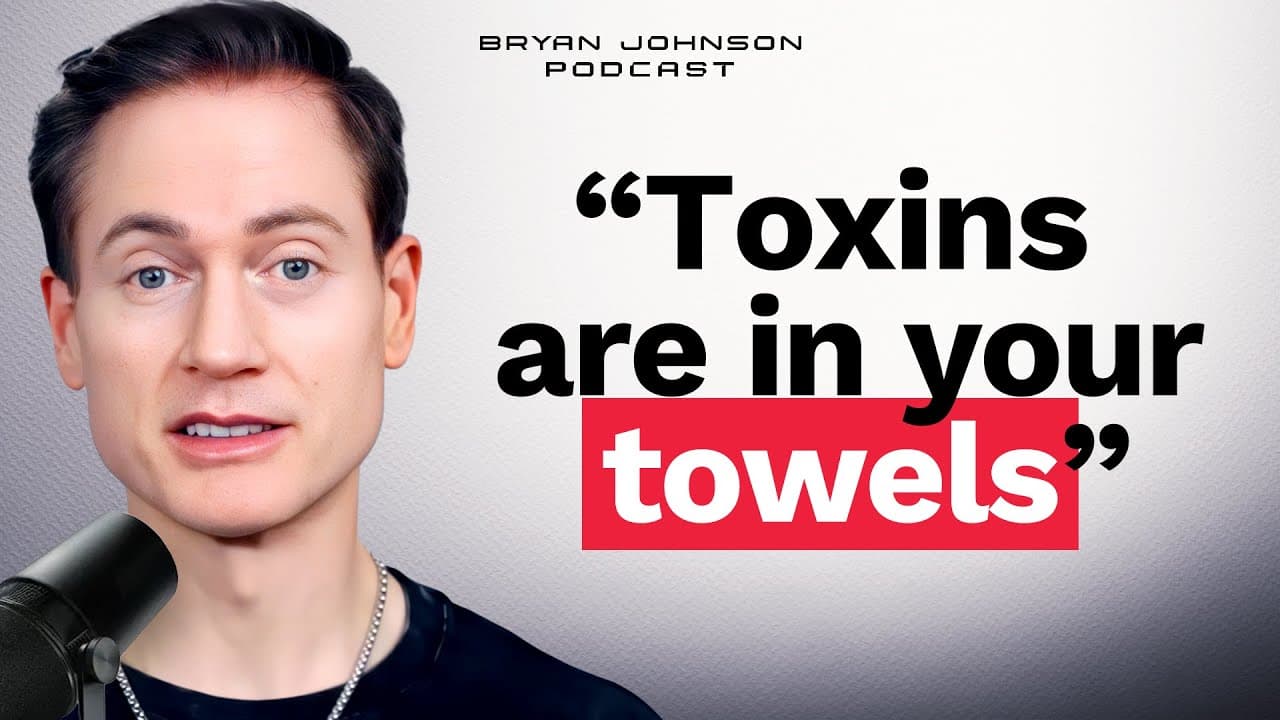
TL;DR
Prioritize reducing chronic exposure to PM2.5 and other environmental toxins, because sustained exposure matters more to overall health than a brief pollution spike. Monitor air quality, avoid preventable exposure when conditions deteriorate, and replace harmful celebration habits when practical, while keeping isolated events in perspective and avoiding unnecessary fear.
Transcript
When we can identify things in our life that are causing us harm, it's prudent to identify those things and then if we can make the cultural changes. The problem is those arguments lead people to this consiliatory mark where they conclude, well, I guess we continue on. And there's very few voices saying this is a bad idea. So, if I can populate the... Read More
Key Insights
- Chronic PM2.5 exposure is a higher health priority than a single fireworks-related spike because a moderate increase sustained across the year creates much greater cumulative exposure than one large, short-duration event.
- Fireworks are a source of preventable air pollution because they release PM2.5, heavy metals, and other toxins into shared air, after which material can settle into soil and water.
- PM2.5 is associated in the discussion with inflammation and oxidative stress because particles can affect the lungs, enter the blood, damage the cardiovascular system, and cross the blood-brain barrier.
- Celebration habits are often linked with harmful practices because birthdays and holidays may combine alcohol, sugar, unhealthy food, lost sleep, or polluted air under the cultural label of enjoying life.
- Personal choice is an important toxin-reduction opportunity because many environmental exposures, including wildfire smoke and contaminants in air or water, cannot be controlled as easily as voluntary traditions and behaviors.
- Air pollution is a shared-resource problem because smoke and chemical particles do not affect only willing participants. Children, families, and nearby residents can be exposed without choosing the activity that produced the pollution.
- Risk prioritization is essential because eliminating fireworks would not necessarily be the first or most influential intervention for improving overall air quality. Persistent environmental conditions may deserve more attention than occasional events.
- Toxin reduction should be approached without panic because the goal is to identify sources, understand their relative importance, prevent avoidable exposure, and consider methods for limiting or reversing existing exposure where possible.
Install to Summarize YouTube Videos and Get Transcripts
Explore YouTube Video Summarizer or Get YouTube Transcript Extractor
Questions & Answers
Q: How can people reduce everyday toxin exposure?
People can begin by identifying harmful exposures in their environment and distinguishing preventable choices from conditions they cannot easily control. Monitoring air quality, staying inside when pollution becomes severe, and avoiding voluntary activities that add smoke or chemicals can reduce exposure. The discussion also encourages examining water, food, PFAS, and other environmental sources without treating every isolated exposure as an emergency.
Q: Why is chronic PM2.5 exposure more concerning than fireworks?
Chronic exposure can create a much larger cumulative dose because even a moderate elevation continues for 24 hours a day across the year. The hosts contrast that pattern with the large but short-lived spike produced by Fourth of July fireworks, which they describe as less than 1 percent of the annual exposure in their example. Persistent air quality therefore deserves greater practical attention.
Q: What health effects are linked to PM2.5 in the discussion?
PM2.5 is described as increasing inflammation in the lungs, with chronic exposure contributing to asthma and lung cancer. The particles can enter the blood and increase inflammation and oxidative stress in the heart and blood vessels, contributing to cardiovascular disease. They can also cross the blood-brain barrier, cause neuroinflammation, and potentially contribute to neurodegenerative disease.
Q: Why do fireworks create a toxin exposure concern?
Fireworks can sharply increase PM2.5 while releasing heavy metals and other toxins into the surrounding air. During the event, people nearby breathe the polluted air, and the material can later settle into soil and water. The hosts are especially concerned that this affects shared air and exposes children, families, and residents who did not necessarily consent to the pollution.
Q: How severe was the reported air pollution after the fireworks?
The discussion reports PM2.5 reaching about 160 during the fireworks show, described as equivalent to smoking one cigarette. In some purple areas on the displayed map, conditions 12 hours later were described as equivalent to smoking 20 cigarettes. The hosts use these comparisons to illustrate the intensity of the temporary spike, while noting that its total annual contribution remains relatively small.
Q: Why does Bryan Johnson criticize common celebration traditions?
Bryan Johnson argues that society often treats harmful behavior as a necessary part of happiness or celebration. He points to fireworks, alcohol, pizza, birthday cake, sugar, and late nights as practices that can be stacked together during special occasions. His position is that people can celebrate meaningful events without automatically pairing them with behaviors that damage health or cognitive performance.
Q: Should fireworks be the first target for improving air quality?
Not necessarily. Dr. Mike Mallin argues that other interventions could have a greater effect on overall health because people may experience moderately poor air quality throughout the entire year. A one-off fireworks spike is intense but short. Bryan Johnson's broader point is less about ranking fireworks first and more about questioning preventable harmful traditions when healthier choices are available.
Q: How should people think about toxins without becoming afraid?
People should focus on the relative size, duration, and preventability of each exposure rather than reacting to every toxin in the same way. The hosts distinguish a brief pollution spike from persistent exposure and encourage practical reduction where possible. Their stated aim is to identify toxin sources, explain their effects, limit future contact, and discuss reducing existing levels without encouraging people to panic.
Summary & Key Takeaways
-
Fireworks can produce a sharp, short-lived increase in PM2.5 and spread heavy metals and other toxins through shared air. The hosts question why celebrations are linked with harmful practices, but they also acknowledge that a single fireworks event contributes far less exposure than persistently poor air quality throughout the year.
-
Chronic PM2.5 exposure is presented as the more consequential health concern. The discussion connects sustained exposure with inflammation, oxidative stress, cardiovascular disease, lung problems, neuroinflammation, and possible neurodegenerative disease. Because polluted air is shared, exposure can affect children and other people who never chose to participate in the polluting activity.
-
The practical message is to identify preventable sources of harm, reduce exposure where choices exist, and remain proportionate about risk. The hosts discuss environmental air pollution alongside PFAS, wildfire toxins, water contamination, and personal reduction strategies, while emphasizing that the subject should not cause panic or distract from higher-impact health priorities.
Read in Other Languages (beta)
Share This Summary 📚
Summarize YouTube Videos and Get Video Transcripts with 1-Click
Try YouTube Summary with ChatGPT & Claude or YouTube Transcript Generator
Explore More Summaries from Bryan Johnson 📚

Summarize YouTube Videos and Get Video Transcripts with 1-Click
Try YouTube Summary with ChatGPT & Claude or YouTube Transcript Generator