How to Scale a Chaotic Hypergrowth Company
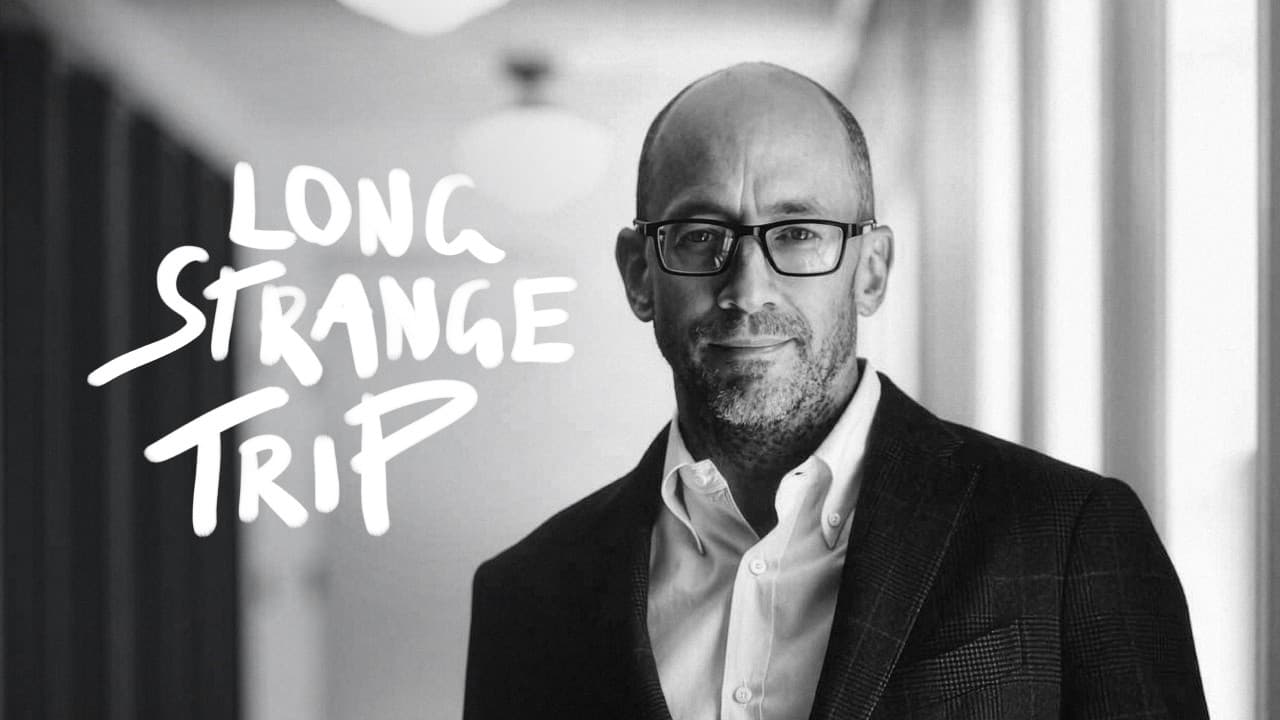
TL;DR
Increase execution speed by assigning clear decision owners, asking how timelines can be compressed, and preventing broad consensus from becoming mandatory. Leaders should also inspect work directly, give candid feedback, resist unnecessary process, and preserve focus as headcount grows, while recognizing that difficult hiring, firing, and acquisition decisions rarely become easy.
Transcript
I just felt like Twitter was such such a drama. Twitter was like the drama queen of hyper growth companies. Yeah. >> You know, it was like when I took over as CEO that year, the Twitter bird had hanged itself and exploded on two different magazine covers. So, I went up to our head of communications, Gabriel Stricker, and I was like, Gabriel, great ... Read More
Key Insights
- Twitter was a highly visible company without a revenue model or business model when Costolo joined as COO in 2009. He accepted the role because opportunities to join rapidly growing companies at that stage are rare, even when the organization is chaotic.
- Collective decision-making was slowing Twitter because groups discussed and effectively voted on matters that could have had a clear owner. Costolo replaced this norm with individual responsibility, making it normal for changes to occur without every employee being consulted first.
- Execution velocity was Costolo's first priority after becoming CEO. He repeatedly asked why work took so long and what conditions would allow a six-week project to finish in two weeks, using schedule compression questions to expose assumptions and obstacles.
- Bias to yes means that only an employee's direct manager can reject the employee's proposed action. The approach is designed to reduce organizational veto points and keep decisions moving as a company grows beyond the stage where informal coordination works reliably.
- Generic operating principles are ineffective when they state broad virtues but do not help employees make concrete decisions. Costolo removed principles he considered meaningless because they offered little operational guidance and could later be used against management during disagreements.
- Organizational disorder can reflect weak ownership. Costolo connected dirty dishes and a messy kitchen with the same assumption that caused operational failures: someone else would handle the problem. He used visible workplace behavior to challenge a broader lack of accountability.
- Direct observation helps leaders understand what teams are actually building. The description says Costolo walked around the engineering floor at 9:30 PM and borrowed a technique associated with Steve Jobs at Pixar to discover information that formal reporting might miss.
- Leadership regrets often involve delayed personnel decisions and missed strategic opportunities. Costolo discusses difficulty firing quickly and the failed attempt to acquire Instagram for around $700 million before Facebook did, presenting both as consequential lessons from operating Twitter during hypergrowth.
- More videos from this channel:
- More from this channel: Sequoia Capital
Install to Summarize YouTube Videos and Get Transcripts
Explore YouTube Video Summarizer or Get YouTube Transcript Extractor
Questions & Answers
Q: How can a CEO increase decision-making speed in a growing company?
A CEO can increase speed by assigning clear decision owners, removing the expectation that every stakeholder must vote, and limiting who can reject a proposed action. Costolo emphasized velocity, cadence, and repeated timeline challenges. He would ask why a task required six weeks and what would need to become true for the team to complete it in two weeks.
Q: What does bias to yes mean in company management?
Bias to yes is an operating rule under which only an employee's direct manager can say no to the employee's proposed action. Its purpose is to prevent a growing organization from accumulating excessive veto points. By narrowing rejection authority, teams can make decisions and execute without seeking approval from every person who might have an opinion.
Q: Why can collective decision-making slow a hypergrowth company?
Collective decision-making slows a company when routine product or operating choices require prolonged group discussion and informal voting. At Twitter, decisions such as whether retweeting should become a native feature were discussed around a table. Costolo concluded that responsible individuals needed authority to decide, because universal consultation made progress methodical and slow.
Q: How should leaders challenge long project timelines?
Leaders should ask what assumptions make the current estimate necessary and what conditions would allow a much shorter schedule. Costolo repeatedly reframed six-week plans by asking what would have to be true for completion in two weeks. The question forces teams to identify dependencies, approval delays, unnecessary work, and other constraints that might otherwise remain unexamined.
Q: Why are generic company values often ineffective?
Generic values are ineffective when they describe broad virtues such as integrity and honesty without helping employees choose between real alternatives. Costolo removed operating principles he considered meaningless because they did not guide decisions. He also believed such statements could be weaponized against management, turning vague language into an argument rather than improving day-to-day execution.
Q: How can workplace disorder reveal organizational problems?
Visible disorder can reveal a shared assumption that responsibility belongs to someone else. Costolo used Twitter's messy kitchen and dirty dishes as an analogy for site reliability problems. His point was that neglected small tasks and operational failures could arise from the same ownership gap: people notice a problem but expect another person to clean it up.
Q: How can executives learn what teams are actually building?
Executives can learn by observing work directly instead of relying exclusively on formal reporting. The description says Costolo practiced management by walking around the engineering floor at 9:30 PM. It also says he borrowed a technique from Steve Jobs at Pixar for discovering what was really happening within a team, helping him inspect execution more closely.
Q: What major leadership regrets did Dick Costolo discuss?
Costolo discussed difficulty acting quickly on firing decisions and a failed attempt to acquire Instagram for around $700 million before Facebook did. These examples show two different forms of delay or missed opportunity: retaining people longer than desired and failing to complete a strategically important acquisition. He presents both as candid lessons from leading Twitter through hypergrowth.
Summary & Key Takeaways
-
Dick Costolo joined Twitter as COO in 2009 after selling FeedBurner to Google and preparing to start another company. Twitter already had major public attention but no revenue model or business model. He accepted because he viewed the company as a rare rocket ship opportunity despite its dysfunction and uncertainty.
-
After a prolonged and confusing board process, Costolo became CEO while founders Jack Dorsey and Ev Williams remained on the board and Biz Stone remained inside the company. His immediate priority was execution velocity. He ended collective voting on routine decisions and repeatedly challenged teams to reduce six-week schedules to two weeks.
-
Costolo treated organizational disorder as an operating problem, not merely an image problem. He removed generic principles and slogans that did not guide decisions, challenged habits suggesting someone else would clean up problems, and emphasized direct observation, clear responsibility, candid feedback, focused execution, and faster action on difficult personnel decisions.
Read in Other Languages (beta)
Share This Summary 📚
Summarize YouTube Videos and Get Video Transcripts with 1-Click
Try YouTube Summary with ChatGPT & Claude or YouTube Transcript Generator
Explore More Summaries from Sequoia Capital 📚


Summarize YouTube Videos and Get Video Transcripts with 1-Click
Try YouTube Summary with ChatGPT & Claude or YouTube Transcript Generator