What Is Bessent’s Bond Buyback and Why It Failed
TL;DR
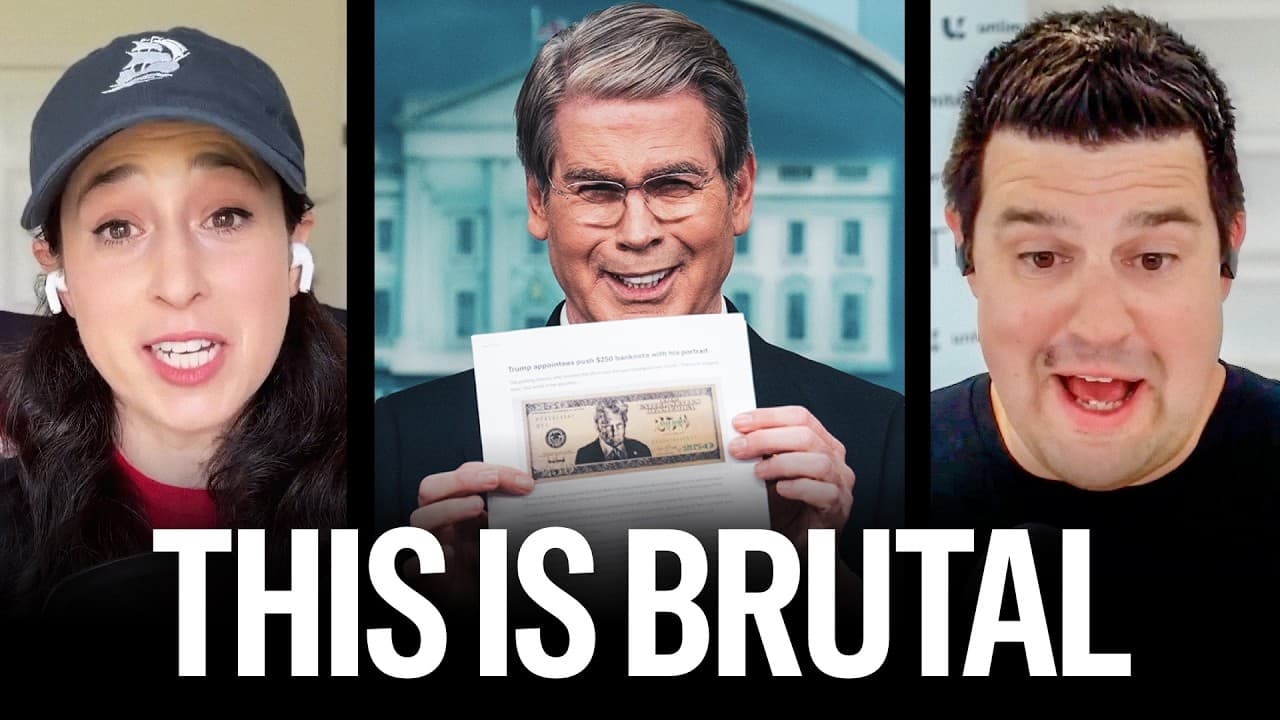
The Treasury buyback program aimed to lower long-term rates but had no lasting effect on the bond market. Instead, it boosted demand for hard assets like gold and crypto, signaling that investors questioned policy credibility. The discussion argues a credible fiscal path would be more effective than repeated, marginal interventions.
Transcript
Hey everyone, I'm Katherine Rampel. I am the economics editor at the Bullwork and the author of the Receipts newsletter. And I am delighted to be joined today by my old friend Bob Elliot. Bob, uh, I have known for a while. And when I first met him, um, Bob, I think you were you were at Bridgewwater, uh, which is the world's largest hedge fund. Um, ... Read More
Key Insights
- Bessent’s buybacks aimed to depress long-term yields by buying back specific bonds, but the scale was judged as too small to move a market that issues over a trillion dollars of paper regularly.
- The strategy was framed as an attempt to influence monetary policy from the Treasury, which the speakers argue is an ineffective and questionable approach for shaping real economy dynamics.
- Druckenmiller’s critique emphasizes that policy makers often fail to move markets with interventions, highlighting the risk of credibility loss when rhetoric does not match impact.
- Investors responded to the interventions by seeking assets like gold and crypto, which are viewed as hedges against policy missteps and inflation, signaling a shift in asset allocation.
- The conversation suggests that credibility and rational policy paths matter more for long-run rates than transient buyback programs or headline moves.
- The speakers argue that fiscal discipline and resolution of economic frictions are more effective tools for stabilizing bond markets than intermittent buybacks.
- There is a theme that macro ambitions of policymakers sometimes resemble active trading by macro managers, which may not align with the duties of a prudent treasury or central bank.
Install to Summarize YouTube Videos and Get Transcripts
Explore YouTube Video Summarizer or Get YouTube Transcript Extractor
Questions & Answers
Q: What is the basic idea behind the Treasury bond buyback program discussed in the video?
The basic idea is that the Treasury would buy back certain long term bonds to support prices and lower yields on the long end of the curve, with the aim of benefiting real economy borrowers like homeowners and businesses. The panel notes the intention is to nudge interest rates down through market demand, though they question whether such actions can meaningfully alter market dynamics given the large size of ongoing issuances.
Q: Why do the speakers say the buybacks were ineffective?
They argue the buybacks were too small relative to the market size and too infrequent to meaningfully move yields on a market that issues well over a trillion dollars in net paper. The effect was not credible enough to lower long term rates and instead appeared to signal policy misalignment, leading investors to reassess policy credibility.
Q: What did Druckenmiller’s critique focus on?
Druckenmiller’s critique focused on the idea that governments often try to manage asset prices through interventions and that such efforts fail in the long run. He emphasizes fading policy moves that lack credibility, comparing them to historic macro missteps and suggesting that real flexibility would come from credible fiscal containment rather than market meddling.
Q: How did markets respond in terms of asset classes like gold or crypto?
Investors moved money into hard assets such as gold and crypto, indicating a belief that policy actions were not credible or sufficient to support the real economy. The discussion notes that these inflows reflect a search for hedges against perceived inflation risk and a weaker trust in policy makers.
Q: What is the implied critique of Scott Bessent’s role or approach?
The discussion portrays Bessent as attempting to act like a macro trader within the Treasury, trading long bonds and other assets in ways that may be misaligned with the Treasury’s core responsibilities. The critique suggests this approach is inefficient and irreverent to proper fiscal policy aims, potentially undermining credibility.
Q: What does the panel say about policy credibility and its impact on markets?
The panel argues that credibility is crucial for aligning market expectations with policy aims. When policy moves are perceived as rhetoric without substantive impact, investors lose confidence and pivot toward alternative assets, which can increase volatility and reduce policy effectiveness over time.
Q: What alternative policy path do the speakers advocate for achieving lower long term rates?
They advocate for fiscal discipline and credible policy measures that address structural issues rather than relying on intermittent buybacks. By focusing on responsible deficits, reform, and improving market confidence, they imply that longer term rates would respond more reliably than through short term interventions.
Q: How does the discussion relate to the broader political and economic context?
The discussion situates the episode within a broader debate about economic policy and leadership, noting divides within the administration and critiques from prominent investors. It stresses that policy credibility and coherent strategy matter more than headline interventions as markets price in expected future conditions.
Summary & Key Takeaways
-
The video analyzes Scott Bessent’s bond market interventions and explains why the buybacks did not move long-term rates. It connects policy credibility to investor behavior, noting a shift toward hard assets as a response to perceived policy ineffectiveness.
-
The discussion frames the exchanges around Druckenmiller’s critique of Bessent and the broader implications for policy credibility and market expectations, including how market participants interpret government actions.
-
The speakers weigh the cost of eroding trust in policymakers and suggest more credible fiscal and structural reforms as a path to channeling capital toward productive outcomes.
Read in Other Languages (beta)
Share This Summary 📚
Summarize YouTube Videos and Get Video Transcripts with 1-Click
Try YouTube Summary with ChatGPT & Claude or YouTube Transcript Generator