Regulating Lifestyle and the Four Basic Urges | Meditation Guided
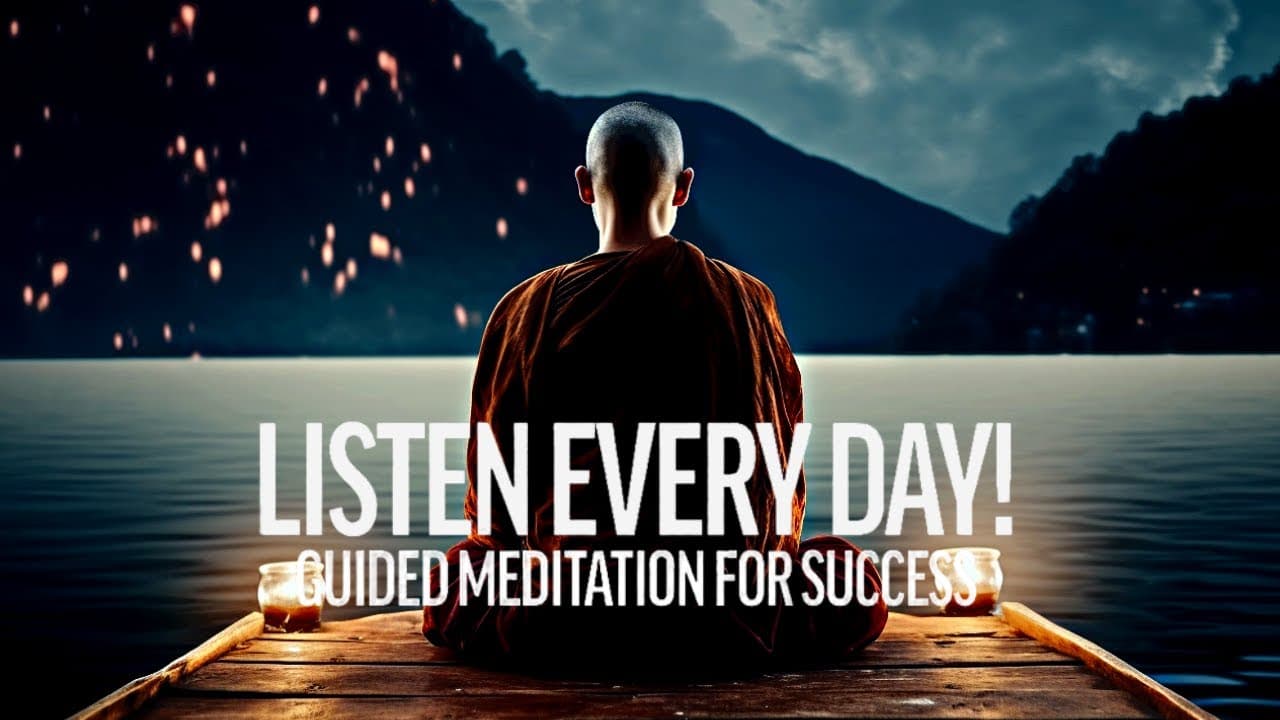
TL;DR
Effective yoga meditation depends on intelligently regulating food, sleep, sex, and self-preservation while observing how these four basic urges influence the mind. Regulation is not renunciation; it means making healthy lifestyle choices that reduce obstacles to practice. As regulation improves self-observation, and clearer observation strengthens regulation, the mind becomes calmer, more balanced, and better trained for deeper meditation, making the full explanation worth exploring.
Transcript
"Lifestyle" is a very broad subject, containing many cultural, social, and religious connotations. Here, we are not trying to suggest guidelines or rules from any particular cultural, social, or religious perspective. The suggestions of yoga are universal in nature, and can be effective for all people, regardless of backgrounds. Imagine ath... Read More
Key Insights
- 🧘 Lifestyle choices impact relaxation, introspection, and balance in yoga meditation.
- 🧘 The intelligent regulation of the Four Primitive Urges supports a healthy lifestyle for meditation practice.
- 😋 Balancing food, sleep, sex, and self-preservation is crucial for an effective yoga meditation routine.
- 😨 Recognizing and managing fears, anxieties, and emotional stability enhance the yoga meditation experience.
- 😪 Adequate hydration, proper nutrition, and regular sleep patterns contribute to a conducive environment for yoga meditation.
- 😋 Cultivating awareness of food quality and cleansing potential aids in making conscious dietary choices.
- 🧘 Developing a lifestyle of reasonable security and stability is important for optimal meditation experiences.
Install to Summarize YouTube Videos and Get Transcripts
Explore YouTube Video Summarizer or Get YouTube Transcript Extractor
Questions & Answers
Q: What are the Four Basic Urges in yoga psychology?
The Four Basic, or Primitive, Urges are food, sleep, sex, and self-preservation. They are described as fountains from which many other desires, wants, needs, and expectations arise.
Q: Why does lifestyle matter for yoga meditation?
Lifestyle affects a person's ability to relax, introspect peacefully, and become calm, balanced, or centered at the levels of body, breath, and mind. Like athletes preparing for an event, meditators benefit from balance rather than unhealthy food, irregular sleep, chaotic relationships, and unexamined mental or emotional challenges.
Q: What does it mean to regulate the Four Primitive Urges?
Regulation means directing the urges intelligently so they do not create obstacles for yoga meditation. It does not require renouncing the urges, becoming impervious to them, or living a boring life.
Q: How should a yoga meditation student work with the Four Basic Urges?
The student uses two complementary practices: regulating the urges through good lifestyle choices and observing their internal activity. This observation includes noticing their effects on actions, speech, thoughts, and the four functions of mind: manas, chitta, ahamkara, and buddhi.
Q: How do regulation and self-observation support each other?
A degree of regulation creates a better environment for self-observation. More lucid self-observation then improves regulation by bringing clearer choices and greater determination, so the two continually reinforce each other.
Q: How can focusing on four urges simplify lifestyle management?
Reducing the focus to four core areas makes lifestyle management more manageable and less overwhelming. Although each area is broad, this framework helps students examine the overall process without feeling unqualified to begin yoga meditation.
Q: Can the Four Basic Urges framework fit different cultural or religious backgrounds?
Yes. The suggestions are presented as universal rather than rules from a particular cultural, social, or religious perspective, and the four areas can be regulated in many different ways. Students can adapt the framework to their individual backgrounds.
Q: What can students discover by observing the Four Primitive Urges?
Students can see how the urges generate specific desires and emotional responses, shape habitual thinking, and unconsciously direct actions and speech. This process can also reveal samskaras, described as latent tendencies or impressions buried in the unconscious, while guiding the mind toward contentment and deeper meditation.
Summary & Key Takeaways
-
Lifestyle choices impact relaxation, introspection, and balance in yoga practice.
-
Four Primitive Urges (food, sleep, sex, self-preservation) need intelligent regulation.
-
The relationship between lifestyle and meditation is intricate but vital.
Read in Other Languages (beta)
Share This Summary 📚
Summarize YouTube Videos and Get Video Transcripts with 1-Click
Try YouTube Summary with ChatGPT & Claude or YouTube Transcript Generator
Explore More Summaries from Mind Motivation Coaching 📚




Summarize YouTube Videos and Get Video Transcripts with 1-Click
Try YouTube Summary with ChatGPT & Claude or YouTube Transcript Generator