Is Obesity a Personal Choice or a Genetic Matter?
TL;DR
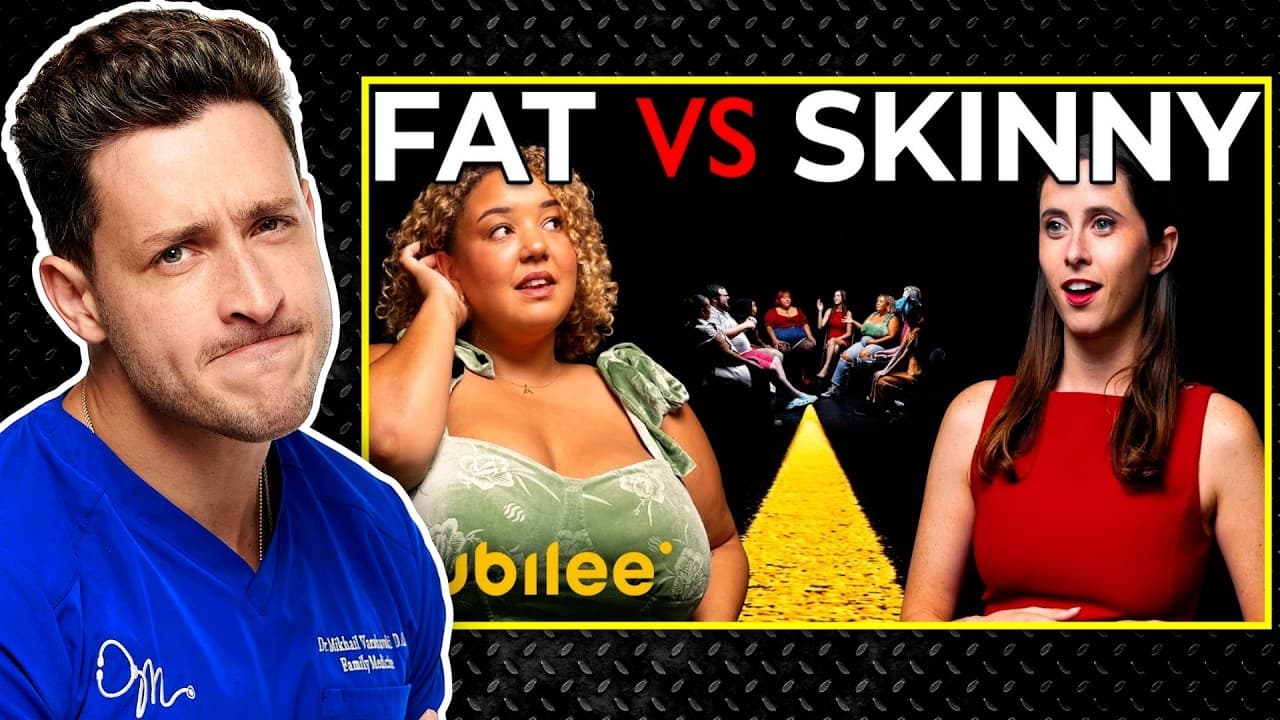
Obesity is not simply a personal choice; it is influenced by genetics, societal factors, and individual circumstances. The debate emphasizes that while personal agency plays a role, many people face obstacles such as medical conditions, medications, and lack of resources that complicate weight management. Recognizing obesity as a disease requires a nuanced understanding and personalized approaches to effectively support individuals.
Transcript
- We've reacted to the topic of vaccines on "Middle Ground" before, but now it's time to react about the question of whether or not being fat is a choice. It's gonna be a worthwhile watch. Let's get started. - [Announcer] Being fat or skinny is a choice. - This is a very polarizing question. I think it's a false dichotomy. I don't think you have to... Read More
Key Insights
- 🖤 The question of weight being a choice is highly nuanced and lacks a straightforward answer, integrating factors like upbringing, genetics, and societal influences.
- 💱 Obesity is recognized as a disease, requiring both systemic changes in healthcare and individualized treatment approaches for effective management.
- 😋 Restrictive diets are often detrimental, leading to unhealthy relationships with food and mental health challenges that can hinder rather than promote well-being.
- 😷 The societal stigmatization of obesity can lead to harmful consequences, including discouragement from seeking necessary medical care.
- 🏃 Accessibility to quality nutrition and exercise opportunities is uneven, significantly impacting weight management across different socio-economic groups.
- 🤗 Effective treatment of obesity necessitates open communication and strong relationships between patients and healthcare providers to understand individual needs better.
- 💉 Societal eating patterns, influenced by the availability of ultra-processed foods, contribute to pervasive weight issues, highlighting the need for comprehensive societal health initiatives.
Install to Summarize YouTube Videos and Get Transcripts
Explore YouTube Video Summarizer or Get YouTube Transcript Extractor
Questions & Answers
Q: Why do some people believe that being fat is entirely a choice?
Some individuals argue that weight is a matter of personal willpower and lifestyle choices, suggesting that one's calorie intake and physical activity determine weight. This perspective may overlook genetic, environmental, and psychological factors that significantly influence an individual's relationship with food and body weight.
Q: How do genetics and upbringing affect weight?
Genetics can predispose individuals to certain eating behaviors and metabolic rates, while upbringing shapes their relationship with food and body image. A person's childhood exposure to unhealthy food types or lack of nutrition education may lead to lasting preferences and habits that contribute to weight gain.
Q: What are the dangers of restrictive dieting mentioned in the content?
Restrictive dieting can lead to unhealthy eating patterns, including eating disorders and disordered eating. These diets often create negative relationships with food, causing individuals to misuse food as a means of coping with emotional or psychological issues, ultimately exacerbating health problems rather than addressing them.
Q: What role do socio-economic factors play in obesity?
Socio-economic factors are significant in the obesity discussion, as access to quality food, healthcare, and physical activity opportunities often vary widely among different communities. Many individuals may not have access to healthy foods or the means to engage in regular exercise due to financial or logistical constraints, contributing to weight issues.
Q: How does the medical community view obesity?
Medical organizations, such as the AMA, recognize obesity as a disease, emphasizing potential medical interventions alongside lifestyle changes. This perspective aims for a balance between addressing systemic public health issues and treating individual patients based on their unique circumstances.
Q: What is fat-shaming, and how does it relate to societal norms?
Fat-shaming involves stigmatizing individuals due to their weight, which perpetuates feelings of shame and worthlessness while potentially discouraging them from seeking help. Challenging societal norms regarding body image is essential to creating an environment where individuals feel accepted and empowered to pursue healthier lifestyles without judgment.
Summary & Key Takeaways
-
The content debates the notion of whether being fat is a choice or influenced by genetics and upbringing, highlighting a false dichotomy between the two perspectives.
-
It emphasizes the importance of personalized medical approaches while addressing obesity as a recognized disease, discussing the need for both societal changes and individualized care.
-
The speakers advocate for a nuanced understanding of weight that recognizes the varying circumstances affecting individuals, including disabilities, medications, and access to healthcare.
Read in Other Languages (beta)
Share This Summary 📚
Summarize YouTube Videos and Get Video Transcripts with 1-Click
Try YouTube Summary with ChatGPT & Claude or YouTube Transcript Generator
Explore More Summaries from Doctor Mike 📚





Summarize YouTube Videos and Get Video Transcripts with 1-Click
Try YouTube Summary with ChatGPT & Claude or YouTube Transcript Generator