What Are OpenAI's Goals and Challenges in AI Development?
TL;DR
OpenAI aims to advance artificial intelligence responsibly and safely, tackling concerns like data bias, computational power, and ethical implications. The organization's transition to a for-profit model allows greater resource access but raises challenges about prioritizing financial interests over ethical commitments. OpenAI is also exploring blockchain and tokenization to enhance transparency and engagement in AI systems.
Transcript
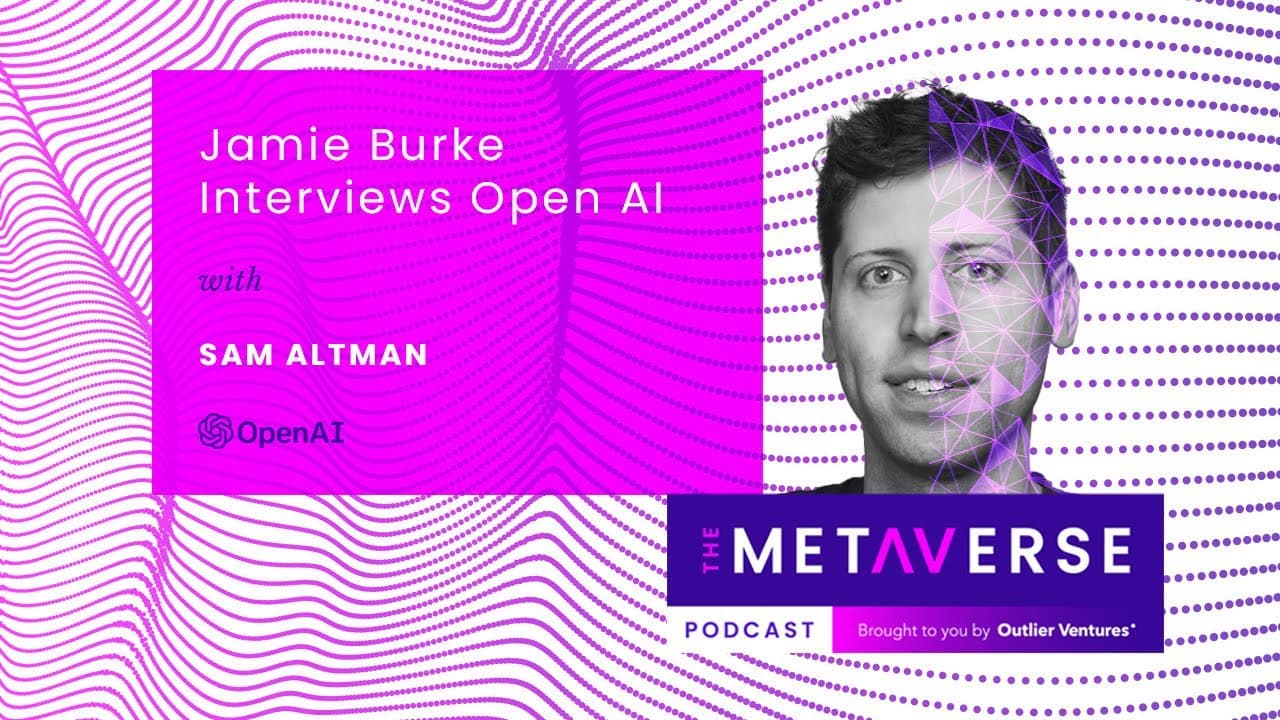
this could potentially lead to conflicts of interest with the data owners especially if openai uses the data to develop products or services that compete with those of the data owners okay so today I'm really excited to welcome on a special guest on to the metaverse podcast first for us to come and talk about open AI the organization to talk about ... Read More
Key Insights
- 😒 Open AI is focused on developing safe and beneficial AI technologies, but potential conflicts of interest may arise due to its for-profit status and use of data from owners who may be competitors.
- 😀 Data bias, computational power, ethical concerns, transparency, generalization, creativity, and cost are significant challenges faced by Open AI in AI development.
- 🤨 Open AI's transition to a for-profit organization allows for greater access to resources and research advancements but also raises concerns about prioritizing financial interests over ethical principles.
- 😒 The use of blockchain and tokenization in AI systems shows potential for increasing transparency, incentivizing participation, and addressing some challenges in AI development.
- 🎮 Challenges such as data privacy, misuse of data, and limited control remain considerations for data owners when sharing data with Open AI.
- 😒 Open AI actively manages risks associated with becoming a for-profit organization through ethical guidelines, a governance structure, partnerships, responsible use of technology, and continued investment in research.
Install to Summarize YouTube Videos and Get Transcripts
Explore YouTube Video Summarizer or Get YouTube Transcript Extractor
Questions & Answers
Q: What are the limitations in the development of Open AI?
Open AI faces limitations in data bias, computational power, ethical concerns, transparency, generalization, creativity, and cost. These challenges include ensuring unbiased and transparent AI models, addressing data bias, handling computational resource requirements, and considering the ethical implications of AI development.
Q: How does Open AI manage challenges and risks associated with its transition to a for-profit organization?
Open AI manages risks through ethical guidelines, a robust governance structure, partnerships with other organizations, responsible use of AI technology, and continued investment in research. These measures help ensure alignment with Open AI's values, transparency, and ethical practices.
Q: Can blockchain and decentralized technologies be utilized by Open AI to enhance openness and decentralization?
While Open AI has not officially announced the use of blockchain technology, there are potential applications for blockchain and decentralization in AI development. These include creating decentralized marketplaces for AI models and data, transparent and auditable data records, and incentivizing AI development through tokenization.
Q: Why should data owners share their data with Open AI?
Sharing data with Open AI can contribute to the advancement of AI models, provide access to advanced AI tools and technologies, foster collaboration with other data owners and researchers, and potentially lead to financial incentives or revenue sharing. Data owners should evaluate the benefits and risks, ensuring appropriate legal protections and control over their data.
Q: What are the risks and challenges of Open AI becoming a for-profit organization?
Risks include conflicts of interest, potential loss of trust, reduced accessibility, decreased transparency, and ethical concerns. Open AI addresses these risks through ethical guidelines, governance structure, responsible use of technology, and continued research efforts aligned with its social mission.
Summary & Key Takeaways
-
Open AI is a prominent artificial intelligence research organization, consisting of both a for-profit and non-profit division, aiming to create advanced and safe AI for the benefit of humanity.
-
The co-founders of Open AI include Elon Musk, Sam Altman, Greg Brockman, Ilya Sutskever, and John Schulman, bringing extensive experience and expertise to the organization.
-
Elon Musk left the Open AI board in 2018 due to concerns about the risks and potential dangers of AI. However, he remains supportive of Open AI's mission.
Read in Other Languages (beta)
Share This Summary 📚
Summarize YouTube Videos and Get Video Transcripts with 1-Click
Try YouTube Summary with ChatGPT & Claude or YouTube Transcript Generator
Explore More Summaries from The Metaverse Podcast 📚



Summarize YouTube Videos and Get Video Transcripts with 1-Click
Try YouTube Summary with ChatGPT & Claude or YouTube Transcript Generator