How to Become a Super Communicator with Easy Tips
TL;DR
To become a super communicator, focus on active listening and emotional reciprocity by proving you understand others through reflective questioning. Master the three types of conversations: practical, emotional, and social, and match your responses to enhance understanding. Practice asking deep questions to build trust and connection in your interactions.
Transcript
I'm going to tell you something else guys if you get good at this your self-confidence level will be dramatically higher this is one of the hacks is the knowing that you're a super Communicator how much of communication do you think is actually the ability to listen correctly a huge amount listening is not just hearing what the person is saying it'... Read More
Key Insights
- Active listening involves more than just hearing words; it requires understanding and responding appropriately to what is said.
- Conversations can be categorized into practical, emotional, and social types, each requiring different approaches for effective communication.
- The matching principle emphasizes responding to someone in the same conversational type they are using for better understanding.
- Asking deep questions about values, beliefs, or experiences can lead to more meaningful conversations and connections.
- Emotional reciprocity, where both parties share vulnerabilities, builds trust and strengthens relationships.
- Non-verbal communication, such as gestures and laughter, plays a significant role in building connections and understanding.
- Teaching communication skills to young people can be beneficial, emphasizing asking questions and sharing unimportant details.
- Written communication requires politeness and clarity to avoid misunderstandings, as it lacks verbal and visual cues.
Install to Summarize YouTube Videos and Get Transcripts
Explore YouTube Video Summarizer or Get YouTube Transcript Extractor
Questions & Answers
Q: What is active listening and why is it important?
Active listening is the process of fully concentrating, understanding, responding, and remembering what is being said in a conversation. It is crucial because it helps build trust, reduces misunderstandings, and ensures that both parties feel heard and valued, leading to more productive and meaningful interactions.
Q: How can one improve their communication skills according to the episode?
Improving communication skills involves practicing active listening, asking deep questions, and understanding the different types of conversations. It also includes being aware of non-verbal cues, such as gestures and laughter, and adapting communication styles to different scenarios. Practicing these skills can increase confidence and enhance relationships.
Q: What is the matching principle in communication?
The matching principle involves responding to someone in the same conversational type they are using, such as practical, emotional, or social. This alignment helps ensure that both parties are on the same page, reducing misunderstandings and enhancing the effectiveness of the communication.
Q: Why is emotional reciprocity important in conversations?
Emotional reciprocity, where both parties share vulnerabilities, is important because it builds trust and strengthens relationships. When one person shares something vulnerable and the other acknowledges it and reciprocates, it creates a sense of safety and connection, leading to deeper and more meaningful interactions.
Q: How can non-verbal communication impact interactions?
Non-verbal communication, such as gestures, facial expressions, and laughter, plays a significant role in interactions by conveying emotions and intentions that words alone may not express. It helps build rapport, indicate interest, and reinforce verbal messages, making communication more effective and engaging.
Q: What challenges are associated with written communication?
Written communication can be challenging because it lacks verbal and visual cues, making it easier for messages to be misinterpreted. To overcome this, it's important to be clear, polite, and considerate in written exchanges, ensuring that emails and texts convey the intended tone and message.
Q: How can communication skills be taught to young people?
Communication skills can be taught to young people by encouraging them to ask questions, share unimportant details, and engage in conversations about their values and experiences. This helps them develop confidence and the ability to connect with others effectively, setting a foundation for strong communication skills in the future.
Q: What role does vulnerability play in effective communication?
Vulnerability plays a crucial role in effective communication by fostering trust and openness. When individuals share their vulnerabilities, it encourages others to do the same, creating a safe space for honest and authentic exchanges. This mutual sharing strengthens relationships and enhances the quality of communication.
Summary & Key Takeaways
-
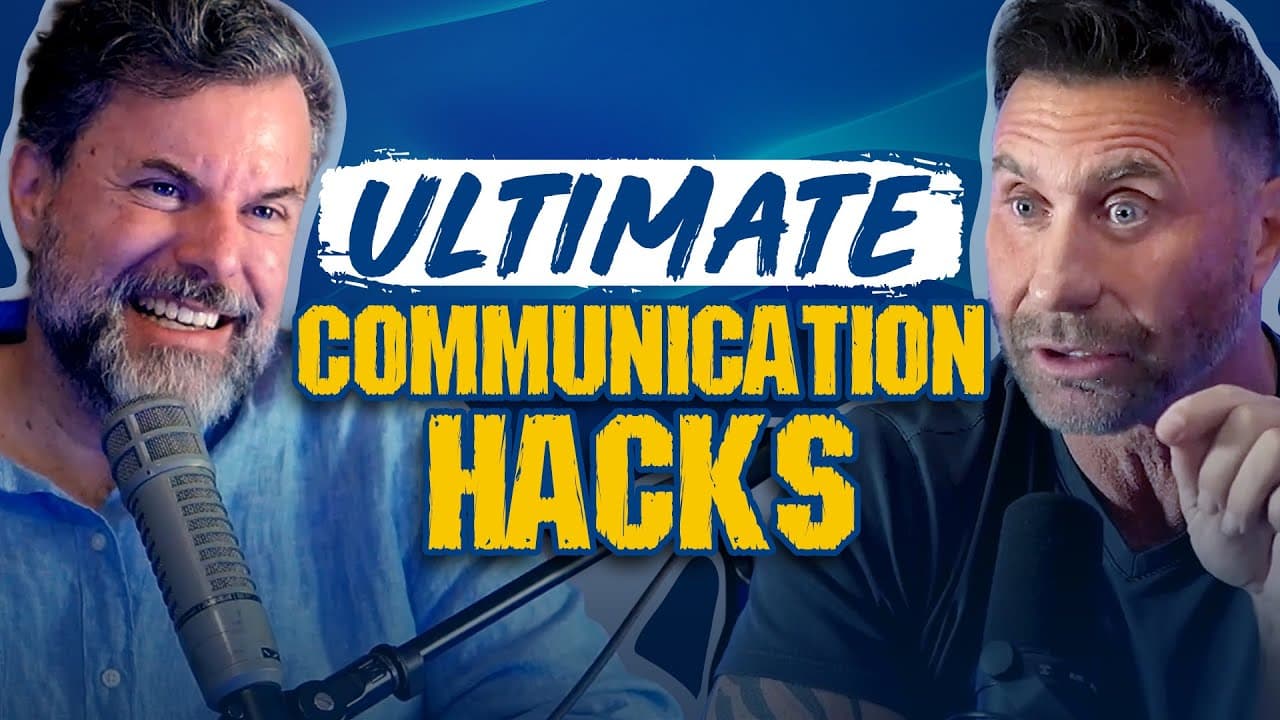
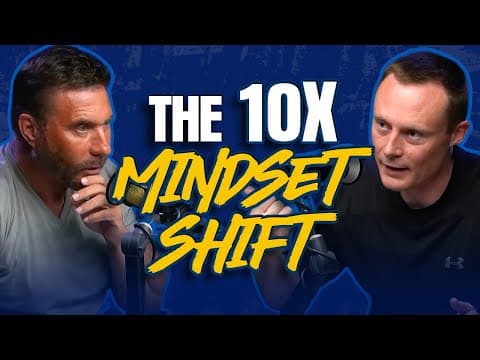
In this episode, Ed Mylett and Charles Duhigg discuss the importance of mastering communication skills to enhance self-confidence and build meaningful relationships. They explore the concept of active listening, emphasizing the need to understand and respond to others effectively.
-
The conversation covers the different types of conversations—practical, emotional, and social—and the importance of matching the conversational type to improve understanding. Duhigg shares insights on asking deep questions and practicing emotional reciprocity to build trust.
-
They also touch on the role of non-verbal communication, the challenges of written communication, and the significance of teaching these skills to young people. The episode concludes with practical tips for improving communication and becoming a super communicator.
Read in Other Languages (beta)
Share This Summary 📚
Summarize YouTube Videos and Get Video Transcripts with 1-Click
Try YouTube Summary with ChatGPT & Claude or YouTube Transcript Generator
Explore More Summaries from Ed Mylett 📚


Summarize YouTube Videos and Get Video Transcripts with 1-Click
Try YouTube Summary with ChatGPT & Claude or YouTube Transcript Generator