How Should Early-Stage Founders Solve Key Problems?
TL;DR
Strong early-stage companies start with committed founders, direct customer conversations, and a basic product placed in users’ hands quickly. Regional startup ecosystems also need experienced entrepreneurial mentors and access to helpful investors, while strained co-founder relationships require immediate, honest discussion, written equity terms, and a willingness to continue alone when collaboration becomes more distracting than productive.
Transcript
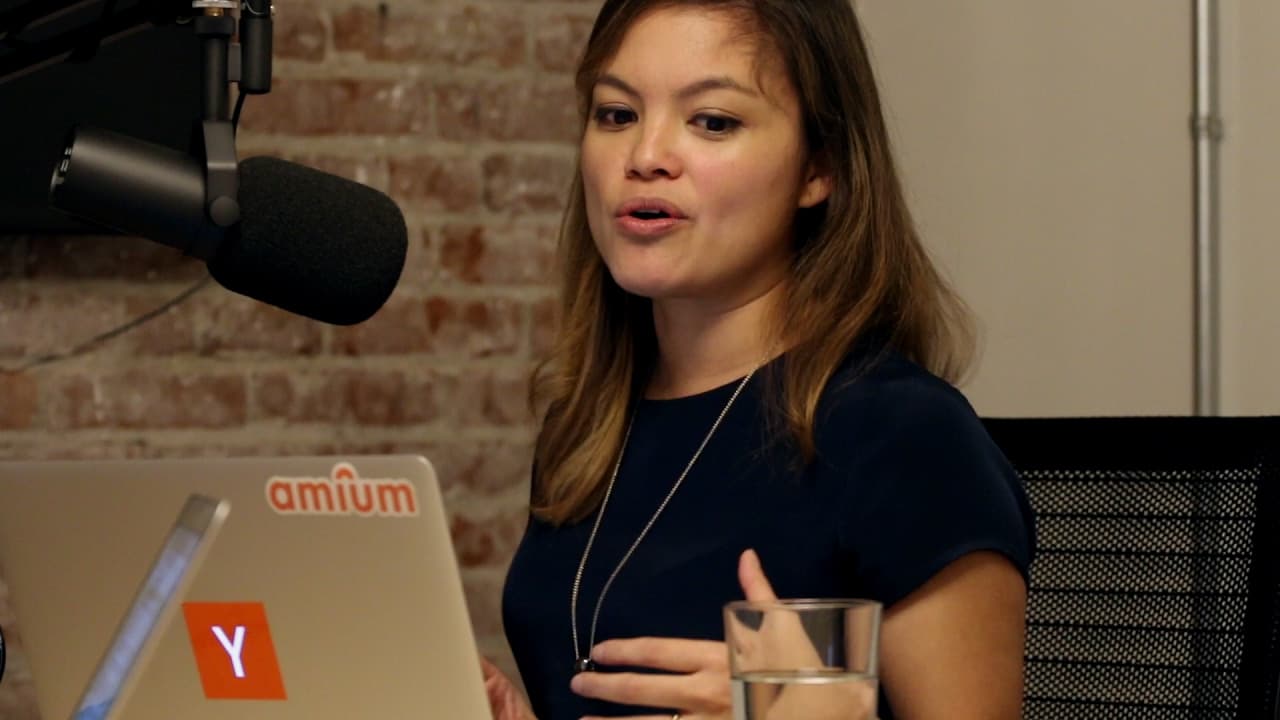
Hey, everyone. Uh, I'm here today with Kat Manalac. She's a partner at YC. Um, but not everyone might know your story, so could you just give us a quick intro? Yeah, sure. So, um, I'm Kat, a partner at YC, and before this, um, I worked with Alexis Ohanian, the co-founder of Reddit. I worked with him after he left Reddit the first time on his fund, ... Read More
Key Insights
- Experienced founders are the strongest foundation for regional startup support because they can share practical knowledge about starting companies, building them, and raising money. If they later reinvest in their local ecosystems, they can also help create a continuing cycle of mentorship and startup financing.
- A local angel-investing ecosystem is often missing outside Silicon Valley, which makes fundraising difficult for regional founders. Incubators and universities can respond by identifying interested investors and teaching them how to support early-stage companies effectively, or by connecting founders with international funders open to such startups.
- An incubator is ideally started by a founder or former entrepreneur because direct operating experience improves the quality of its guidance. When that leadership is unavailable, organizers should assemble mentors with relevant company-building experience while also developing funding support for participating startups.
- A YC recommendation is optional, not a requirement for admission. The recommendation system described allows people worldwide to submit promising founders, follow their progress, and give YC a consistent way to track referrals that previously arrived through scattered channels.
- Co-founder conflict is capable of killing promising early-stage companies. When one founder loses motivation or stops producing work, the team should discuss commitment immediately and honestly, determine whether both people still want equivalent responsibility, and consider a smaller contributor role if full commitment is absent.
- A solo founder is preferable to a complicated co-founder relationship when that relationship creates persistent distraction. Another possible experiment is adding a third collaborator, especially if the struggling founder prototypes well or works poorly in isolation, but the underlying commitment issue still requires direct discussion.
- Written equity terms are important before a co-founder relationship becomes contentious. Founders should discuss ownership early and complete the paperwork because clear agreements make expectations and consequences less personal when someone does not perform or the working relationship must end.
- Early customer discovery begins with a hypothesis about whose problem the product solves and whether that problem is urgent. Founders should interview many potential customers, deliver even a basic product quickly, and seek a smaller group that loves it instead of a larger group that considers it merely acceptable.
Install to Summarize YouTube Videos and Get Transcripts
Explore YouTube Video Summarizer or Get YouTube Transcript Extractor
Questions & Answers
Q: How can an incubator foster entrepreneurship in a developing country?
An incubator can begin by finding regional founders who have started companies, built them, and raised money, since people with direct experience can provide the most useful guidance. It should also encourage successful entrepreneurs to reinvest in the local startup ecosystem. At the same time, the incubator can cultivate local angel investors or connect founders with funders in places such as Silicon Valley who are open to international startups.
Q: Who should lead a startup incubator in another country?
A startup incubator should ideally be created or led by a founder or former entrepreneur who understands company building through direct experience. If that is not possible, organizers should recruit a network of mentors who have started companies, built businesses, or raised funding. The program should develop this advisory capacity while simultaneously finding practical ways to support participating startups with investment.
Q: Why are local angel investors important for startup ecosystems?
Local angel investors are important because fundraising is difficult in many places outside Silicon Valley when no nearby early-stage investing network exists. Incubators and universities can identify people interested in startup investing and educate them about being helpful investors. If a local network cannot yet be established, ecosystem leaders can create bridges between regional founders and outside funders who are willing to support international companies.
Q: Do founders need a recommendation to get into Y Combinator?
Founders do not need a recommendation to get into Y Combinator. Kat Manalac states that the vast majority of funded founders had never contacted YC alumni or staff beforehand. The recommendation system provides an additional route through which anyone can suggest a promising founder, track that person’s progress, and help YC organize referrals that previously arrived through many unrelated channels.
Q: How should founders handle an unmotivated co-founder?
Founders should address the problem as soon as possible through an honest conversation about motivation, available time, responsibility, and long-term commitment. They need to decide whether the co-founder will fully recommit, become a contributor with narrower duties, or potentially return later when the company is further along. If the relationship remains fraught and distracting, continuing as a solo founder may be the healthier option.
Q: When should startup founders put equity agreements in writing?
Startup founders should discuss equity and complete the relevant paperwork early, before weak performance or personal conflict makes the issue harder to resolve. Written terms clarify ownership and expectations while the relationship is still cooperative. When a co-founder later stops delivering work or needs to leave, an existing agreement makes the conversation less dependent on emotion and reduces ambiguity about what each person should receive.
Q: How can founders identify their first target customers?
Founders should begin with a hypothesis about whose problem they are solving and identify people for whom that problem is especially urgent. They should then speak with as many potential customers as possible, ask whether the proposed solution fits their needs, and gather feedback. Direct contact is essential when the founders do not personally experience the problem because otherwise they can spend substantial time building the wrong product.
Q: How should an early-stage startup validate and improve its product?
An early-stage startup should place even the most basic version of its product into potential users’ hands as quickly as possible. The founders can then observe engagement, collect feedback, and iterate. A strong signal is finding 100 people who love the product rather than 1,000 who merely think it is acceptable. Weak feedback should prompt a product change or a test with another customer segment.
Summary & Key Takeaways
-
Kat Manalac describes how her work with technology, media, political advocacy, and YC outreach shaped her support for founders. At YC, her responsibilities have included helping companies prepare for initial press launches, reaching potential applicants beyond existing networks, encouraging international participation, and supporting efforts such as the Female Founders conference.
-
Regional startup ecosystems benefit when successful founders reinvest their experience and resources locally. An incubator should ideally be led by a founder or former entrepreneur, supported by mentors who have built companies and raised money. It should simultaneously cultivate local angel investors or connect startups with receptive funders in places such as Silicon Valley.
-
Early-stage founders should address team and market risks quickly. Co-founders need honest conversations, comparable commitment, documented equity arrangements, and clarity about long-term roles. For customers, founders should define whose urgent problem they solve, interview many potential users, release a basic product rapidly, and iterate according to direct feedback.
Read in Other Languages (beta)
Share This Summary 📚
Summarize YouTube Videos and Get Video Transcripts with 1-Click
Try YouTube Summary with ChatGPT & Claude or YouTube Transcript Generator
Explore More Summaries from Y Combinator 📚





Summarize YouTube Videos and Get Video Transcripts with 1-Click
Try YouTube Summary with ChatGPT & Claude or YouTube Transcript Generator