How to Restore Motivation When You Feel Nothing
TL;DR
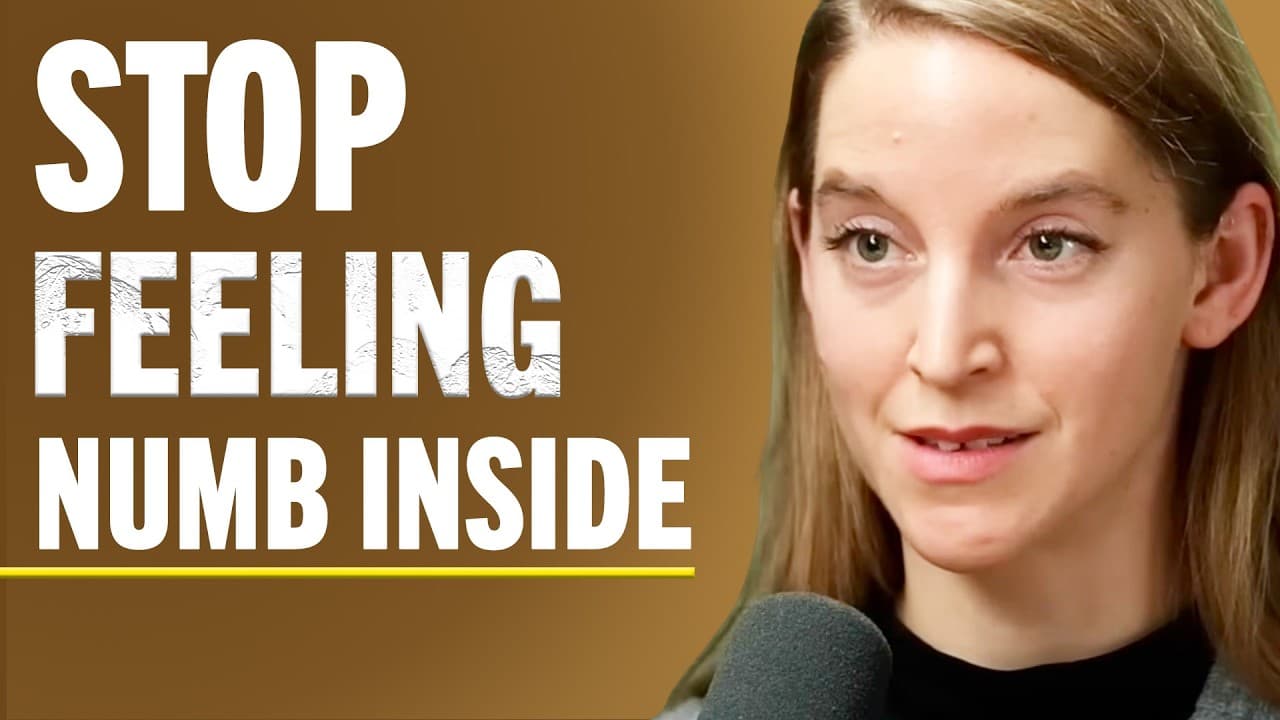
Loss of pleasure or motivation is a core symptom of depression and can persist even when other symptoms improve. Re-engaging with rewarding experiences may help interrupt the cycle in which reduced pleasure leads people to stop seeking activities that could support recovery, while understanding pain as a brain-modulated experience reveals additional links between physical and mental health.
Transcript
If we could just start off talking about pain and pleasure. You spent a lot of time at the start of this book talking about pain and pleasure. And I and I love what you've written because it's at its core. Let's take depression for example. There are many symptoms uh that that we look at when trying to diagnose depression. But you know a loss of pl... Read More
Key Insights
- Loss of pleasure or motivation is one of the two core symptoms used to diagnose depression, and low mood is not always required. This makes diminished pleasure a central mental health problem rather than a secondary or culturally insignificant complaint.
- Reduced pleasure can create a self-perpetuating depressive cycle because people become less motivated to seek activities they previously enjoyed. That withdrawal removes experiences that might otherwise help them improve, allowing poor motivation and worsening symptoms to reinforce each other.
- Typical antidepressant treatment may leave diminished pleasure unresolved even when other depressive symptoms improve. The persistence of this disabling symptom helps explain why directly understanding pleasure and motivation is important for a fuller account of mental health and recovery.
- Chronic pain and depression have a bidirectional relationship because previous chronic pain increases the likelihood of later depression, while previous depression increases the likelihood of later chronic pain. Their overlapping biological circuits involve internal perception and negative beliefs about the world.
- Pain is a filtered and modifiable perception rather than a perfectly transmitted signal from the body. Environmental priorities, mental focus, expectations, and learned experience can either suppress discomfort or intensify it, even while the underlying physical problem remains present.
- Goal-directed focus can suppress pain temporarily, as when an endurance athlete continues running despite an aching toe. Practice may strengthen this ability, but suppressing bodily information can also be harmful if it allows an injury to worsen before the person responds.
- Brief discomfort can activate the body's endogenous opioids, sometimes called endorphins, which help dampen pain. Cold-water immersion and even stubbing a toe illustrate how short, intense discomfort can be followed by reduced pain, a head rush, or euphoria.
- Brief pain and chronic pain can affect mental health differently. Continuous pain can be deeply harmful, while temporary discomfort may produce an immediate positive effect through endogenous opioid release, showing that pleasure can sometimes arise from biologically surprising sources.
Install to Summarize YouTube Videos and Get Transcripts
Explore YouTube Video Summarizer or Get YouTube Transcript Extractor
Questions & Answers
Q: How can someone respond when they lose motivation and pleasure?
Loss of pleasure can reduce the motivation to pursue activities that were previously enjoyable, creating a cycle that may worsen depressive symptoms. The conversation suggests that continuing to seek potentially rewarding experiences is important because complete withdrawal removes the very experiences that could help someone emerge from a depressive episode. The central aim is to interrupt withdrawal rather than let reduced motivation continually reinforce itself.
Q: Can depression be diagnosed without persistent low mood?
Depression does not necessarily require low mood because loss of pleasure or motivation is the second core symptom discussed in the conversation. This symptom is fundamental to the diagnosis and can be highly disabling. It may also remain after typical antidepressant treatments improve other symptoms, which is why diminished pleasure deserves direct clinical and cultural attention rather than being treated as a minor consequence.
Q: Why does losing pleasure make depression worse?
Losing pleasure can produce a negative feedback cycle. When formerly enjoyable activities stop feeling rewarding, motivation to seek them declines. The person then has fewer positive experiences and may stop doing the things that could have helped improve the depressive episode. Reduced pleasure, reduced activity, and worsening symptoms can therefore reinforce one another over time.
Q: How are chronic pain and depression connected?
Chronic pain and depression are connected in both directions. A previous experience of chronic pain makes later depression more likely, while a previous experience of depression makes later chronic pain more likely. The proposed explanation is biological overlap between relevant brain circuits, including systems involved in perceiving the internal world and maintaining negative beliefs about the world.
Q: Why can pain feel different depending on the situation?
Pain is filtered and modified by processes in the brain and body rather than perceived as an unchanged physical signal. Environmental priorities can suppress or intensify it. Escaping a lion, finishing a race, or concentrating deeply on a demanding physical practice can temporarily reduce attention to pain because another goal takes priority, even when an injury or inflammation is still present.
Q: Why can athletes continue despite feeling pain?
An athlete may temporarily override pain because finishing the event becomes the dominant priority. Repeated experience also provides practice in suppressing ordinary aches and teaches that some discomfort will pass. However, this capacity is not automatically beneficial. Ignoring significant bodily information can worsen an injury and potentially prevent the athlete from participating in movement or sport afterward.
Q: How can cold-water immersion produce euphoria?
Brief exposure to very cold water can create intense discomfort and then euphoria. The explanation offered is that temporary pain or discomfort can induce the release of endogenous opioids in the brain, sometimes called endorphins. These substances help a person push through pain and dampen the sensation, producing an effect beyond the simple relief of leaving the cold water.
Q: Is deliberately experiencing brief discomfort good for mental health?
Brief discomfort and continuous pain should be distinguished carefully. Chronic pain is strongly connected with poor mental health, while short-lived discomfort such as cold-water immersion may create an immediate positive effect through endogenous opioid release. The conversation presents this as a surprising biological route to acute pleasure, but it does not claim that all pain is helpful or that bodily warning signals should be ignored.
Summary & Key Takeaways
-
Pleasure is central to mental well-being because losing the ability or motivation to enjoy experiences is a core feature of depression. This symptom can remain after other symptoms improve, creating a self-perpetuating cycle in which people withdraw from potentially rewarding activities and lose experiences that might support recovery.
-
Chronic pain and depression have a two-way relationship: experiencing either one increases the likelihood of later experiencing the other. Their biological overlap involves brain circuits related to internal bodily perception and negative beliefs, illustrating why mental and physical symptoms cannot always be understood as separate or straightforward signals.
-
Pain perception changes according to priorities, surroundings, expectations, and practice. A runner may suppress discomfort while focused on finishing, yet feel severe pain afterward. Brief discomfort such as cold-water immersion may also trigger endogenous opioid release and immediate euphoria, although repeatedly ignoring bodily warnings can increase the risk of injury.
Read in Other Languages (beta)
Share This Summary 📚
Summarize YouTube Videos and Get Video Transcripts with 1-Click
Try YouTube Summary with ChatGPT & Claude or YouTube Transcript Generator
Explore More Summaries from Dr Rangan Chatterjee 📚




Summarize YouTube Videos and Get Video Transcripts with 1-Click
Try YouTube Summary with ChatGPT & Claude or YouTube Transcript Generator