Are Lithium Stocks Better for Trading? SQM Stock Analysis and Investment Thesis
TL;DR
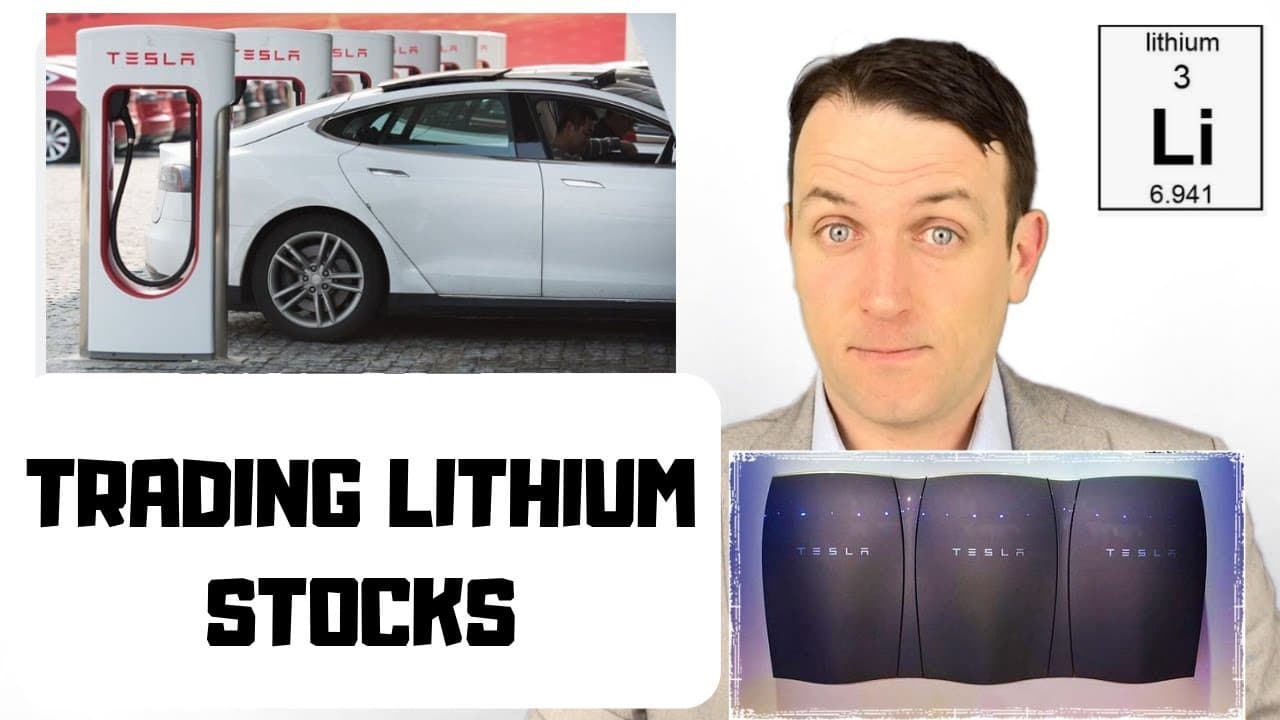
Lithium stocks such as SQM may suit trading better than value investing because demand could grow sharply, but expanding supply makes prices and valuations difficult to predict. SQM derived 50% of its profits from lithium in the prior year and plans to triple production, while new projects could pressure prices. Read on for the specific demand forecasts, project economics, risks, and portfolio approach discussed.
Transcript
good day fellow investors I'm currently researching fertilizer stocks because I see some opportunities there I want to know what is the balance in the market and one of the fertilizer stocks on my list is sqm Sociedad chemica the chilli it's not more a fertilizer of stock it became over the last two three years alidium stock so I said okay I looked... Read More
Key Insights
- 😮 SQM's focus on lithium production aligns with the rising demand for energy storage solutions.
- ❓ Pricing volatility and increased competition pose challenges for lithium investors.
- 👶 Industry dynamics, including new supply sources like Rio Tinto's mine in Serbia, impact the lithium market.
- 🚙 Strategic investments in lithium projects aim to capitalize on the growth potential in the electric vehicle and battery storage sectors.
- ⚖️ Balancing risk and reward is crucial for investors considering the volatile nature of lithium investments.
- 🔬 Copper remains a value investing alternative to lithium, supporting energy storage systems.
- ❓ Market projections suggest potential growth in lithium demand, but uncertainties in pricing and supply dynamics persist.
Install to Summarize YouTube Videos and Get Transcripts
Explore YouTube Video Summarizer or Get YouTube Transcript Extractor
Questions & Answers
Q: Is SQM stock a good lithium investment or trading opportunity?
The analysis presents SQM primarily as a trading opportunity rather than a conventional value investment. Lithium could deliver large gains, but SQM appears to have already priced in expected growth, leaving the speaker unable to find a margin of safety against permanent capital losses.
Q: Why did SQM shift its focus from fertilizer to lithium?
SQM shifted toward lithium to capitalize on expected growth in energy-storage demand. Lithium generated 50% of its profits in the prior year, and the company is producing as much as it can while investing to expand capacity.
Q: How quickly could lithium demand grow?
SQM anticipates annual lithium-demand growth of about 12%, with growth of 16% to 20% also considered possible. The outlook depends heavily on electric vehicles, battery-storage technology, and falling storage costs.
Q: Why are lithium prices difficult to predict?
Lithium prices declined significantly after the boom at the beginning of 2018 as high prices attracted investment and new producers. Future prices depend on whether demand grows fast enough to absorb projects already coming online, making valuation especially difficult.
Q: What are SQM's lithium production expansion plans?
SQM plans to triple production, including through development of the Mount Holland project in Australia. The project is expected to increase the company’s lithium output significantly.
Q: What are the projected economics of SQM's Australian lithium project?
The joint venture’s project economics indicate a 26% internal rate of return and cash operating costs of roughly $4,000 to $5,500 compared with a lithium price of $15,000 per ton. Its post-tax net present value at 10% is stated as $2.2 billion, which the analysis considers modest relative to SQM’s market capitalization.
Q: What supply risks could hurt lithium investments?
Lithium mines can be developed and ramped up relatively quickly, allowing supply to respond to high prices. The analysis highlights Rio Tinto’s Serbia project, increased production from Albemarle, a goal of adding 265,000 tons from developing resources, and two Lithium Americas projects as potential sources of new supply.
Q: How should investors manage exposure to lithium stocks?
The suggested approach is to limit portfolio exposure, buy during fear, and take advantage of exuberant periods through trading. Investors must also consider uncertain demand, new production, average production costs, and the possibility that alternative battery technologies could reduce lithium’s appeal.
Summary & Key Takeaways
-
SQM shifted focus to lithium, anticipating high demand and profits.
-
Increased lithium production with expansion projects in Australia.
-
Industry faces challenges with pricing fluctuations and new supply sources.
Read in Other Languages (beta)
Share This Summary 📚
Summarize YouTube Videos and Get Video Transcripts with 1-Click
Try YouTube Summary with ChatGPT & Claude or YouTube Transcript Generator
Explore More Summaries from Value Investing with Sven Carlin, Ph.D. 📚



Summarize YouTube Videos and Get Video Transcripts with 1-Click
Try YouTube Summary with ChatGPT & Claude or YouTube Transcript Generator