What If We Have A Nuclear War?
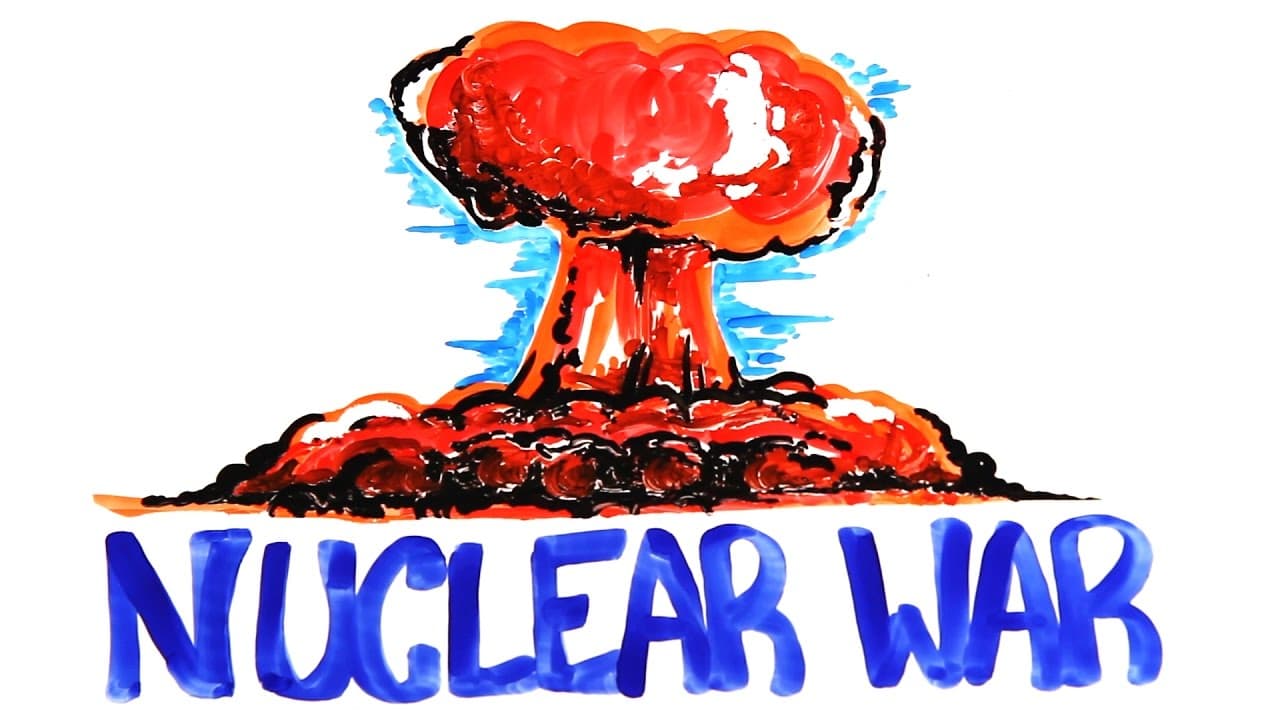
TL;DR
A nuclear war would cause immediate destruction through heat, blast waves and ionizing radiation, followed by radioactive fallout and potentially global crop failures and famine. The transcript says fallout radiation declines to about 1% of its initial level within two weeks, while a modeled 100-warhead conflict could leave two billion people starving. Read on for the specific effects, distances and risks described.
Transcript
Seventy years ago, the nuclear bombs dropped over Hiroshima and Nagasaki exploded and to this day remained the only use of nuclear weapons for warfare, but with around 15,000 warheads remaining in the world What happens if we have a nuclear war? The impact of a single nuclear bomb depends on many factors like the weather, weapon design, geographica... Read More
Key Insights
- 🧑🏭 The impact of a nuclear bomb depends on various factors, including weather, design, and geographical location.
- 🔥 Thermal radiation causes flash blindness, burns, and temporary blindness to individuals at different distances.
- 😍 The blast wave from a nuclear explosion can crush or knock down objects, leading to fatalities.
- ♋ Exposure to radiation can result in fatal illnesses, genetic mutations, and increased cancer risks.
- 🗺️ Fallout from a nuclear explosion can travel long distances and cause contamination.
- 🥺 In the event of a nuclear war, global temperatures could fall, leading to crop failures and famine.
- 🫱 Strategies for survival during a nuclear war should be explored to ensure safety.
Install to Summarize YouTube Videos and Get Transcripts
Explore YouTube Video Summarizer or Get YouTube Transcript Extractor
Questions & Answers
Q: What would happen if we had a nuclear war?
Nuclear detonations would expose people to intense heat, destructive blast waves, ionizing radiation and radioactive fallout. A multi-bomb war could also reduce global temperatures and rainfall, triggering crop failures and famine.
Q: How does thermal radiation from a nuclear bomb affect people?
Thermal radiation can cause flash blindness and severe burns. For a one megaton bomb on a clear day, people 21 kilometers away could experience flash blindness, while third-degree burns could occur around 8 kilometers away.
Q: What damage does a one megaton nuclear blast wave cause?
Within a 6 kilometer radius, the blast could exert an estimated 180 tons of force on every two-story building wall, with winds reaching 255 kilometers an hour. Within 1 kilometer, winds could reach 756 kilometers an hour, making collapsed buildings and collisions with objects major causes of death.
Q: How dangerous is radiation exposure after a nuclear explosion?
Exposure to 600 rem has a 90 percent chance of causing fatal illness. A dose of 450 rem is estimated to be fatal for half of those exposed, while survivors may face DNA damage, genetic mutations and an increased probability of cancer.
Q: What is nuclear fallout and how far can it travel?
A surface or near-surface blast carries vaporized dirt particles into the air, where they become radioactive and later descend as fallout. Depending on wind conditions, fallout can travel hundreds of miles and usually cannot be detected with human senses.
Q: How long does nuclear fallout radiation remain dangerous?
The transcript says fallout radiation decays fairly quickly. Within two weeks, the material declines to about 1% of its initial radiation level, but people would need to remain in shelter until then.
Q: How could a 100-warhead nuclear war affect the world?
A study modeled 100 detonated warheads approximately the size of a Hiroshima bomb in a conflict between India and Pakistan. It projected 5 megatons of black carbon entering the atmosphere, falling global temperatures, 9% less annual rainfall, crop failures and famine.
Q: How many people could starve after a 100-bomb nuclear war?
A separate study estimated that two billion people would starve following a 100-bomb war. The transcript connects this risk to atmospheric changes that could reduce rainfall and cause crop failures.
Summary & Key Takeaways
-
Number: Around 15,000 warheads remain in the world.
-
Number: Approximately 35 percent of a nuclear bomb's energy emerges as thermal radiation or heat.
-
Number: A one megaton bomb could cause flash blindness 21 kilometers away by clear day and 85 kilometers away by clear night.
-
Number: First-degree burns could occur around 11 kilometers, second-degree burns at 10 kilometers and third-degree burns at 8 kilometers.
-
Number: Third-degree burns covering over 24% of the body would likely be fatal without quick medical care.
-
Compare: The 50 megatons Tsar Bomba equaled 3333 Hiroshima bombs combined.
-
Number: Exposure to 600 rem carries a 90 percent chance of fatal illness, while 450 rem is fatal for an estimated half of those affected.
-
Definition: Fallout forms when radioactive particles from vaporized crater material condense and descend after a surface or near-surface detonation.
-
When: Within two weeks, fallout material declines to about 1% of its initial radiation level.
-
Number: A modeled 100-warhead conflict could inject 5 megatons of black carbon into the atmosphere and reduce annual rainfall by 9%.
-
Number: A separate study estimated two billion people would starve after a 100-bomb war.
Read in Other Languages (beta)
Share This Summary 📚
Summarize YouTube Videos and Get Video Transcripts with 1-Click
Try YouTube Summary with ChatGPT & Claude or YouTube Transcript Generator
Explore More Summaries from AsapSCIENCE 📚




Summarize YouTube Videos and Get Video Transcripts with 1-Click
Try YouTube Summary with ChatGPT & Claude or YouTube Transcript Generator