How Chief Keef Changed Modern Rap and Drill
TL;DR
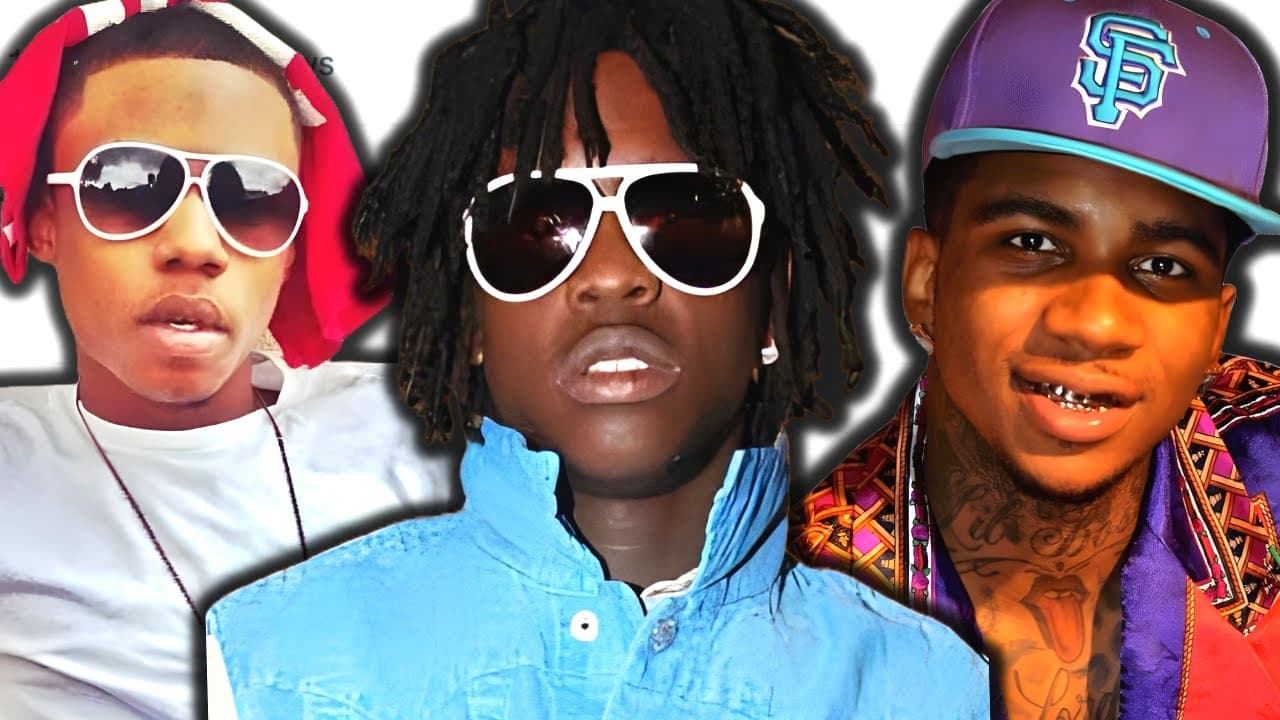
Chief Keef helped introduce Chicago drill to a worldwide audience and shaped modern rap through raw vocals, repetitive flows, prominent ad-libs, online self-promotion, slang, and fashion. His influence outlasted his commercial peak because his early internet popularity was not reflected in album sales, while youth, missed opportunities, label conflict, substance use, and inconsistent behavior weakened his mainstream career.
Transcript
over the past 10 years rap has undergone a massive change from the slow dark old school lyric based rap to mumble rap with the focus on the sound of music and this isn't a coincidence a lot of it has to do with a handful of artists who single-handedly change the trajectory of modern rap however most regular fans aren't aware of them and during thei... Read More
Key Insights
- Chief Keef introduced Chicago drill to a much wider audience when "I Don't Like" became a major hit in 2012. Its success drew mainstream publications toward Chicago hip-hop, while Kanye West's remix and later collaboration with Keef helped expose the drill movement internationally.
- Chief Keef's online popularity exceeded what traditional album sales could capture. "Finally Rich" sold 50,000 physical copies in its first week, but YouTube activity did not count toward those figures and streaming services were unavailable, leaving his enormous digital audience underrepresented by the industry's prevailing measurements.
- Chief Keef's vocal approach helped shape mumble rap by combining a repetitive flow, raw natural vocals, slurred delivery, and sound-focused performance. The transcript argues that this approach made audiences more receptive to rappers who were not conventional singers but used their unpolished voices as expressive musical instruments.
- Chief Keef redefined ad-libs as structural backing vocals rather than separate lyrical interruptions. Repeated expressions such as "bang," "gang gang," and "aye" made songs feel fuller, and the technique later became a staple for rappers including Travis Scott, Lil Uzi Vert, and Playboi Carti.
- Chief Keef's social media strategy became a model for internet-era music promotion. He uploaded viral videos, broadcast his lifestyle, generated attention through provocative behavior, and built a dedicated audience without depending entirely on traditional media, creating a blueprint later followed by hip-hop and pop performers.
- Chief Keef's cultural influence extended into slang, fashion, appearance, and mannerisms. The transcript credits him with introducing the word "thot" and describes young fans copying his True Religion clothing, dreadlocks, sagging, posture, speech, and behavior in the United States and the United Kingdom.
- Chief Keef's commercial decline resulted partly from missed opportunities and unreliable behavior. He arrived late or failed to attend events, skipped the "Hate Being Sober" video with 50 Cent and Wiz Khalifa, received venue restrictions, fought with his label, and was eventually dropped by Interscope.
- Speaker Knockerz built an early internet-based career by producing beats after school and releasing his own music on YouTube. Songs including "Rico Story," "Flexin and Finessin," and "Count Up" became internet hits, while his production work reached Young Dolph, Shy Glizzy, Meek Mill, Gucci Mane, 2 Chainz, and French Montana.
Install to Summarize YouTube Videos and Get Transcripts
Explore YouTube Video Summarizer or Get YouTube Transcript Extractor
Questions & Answers
Q: How did Chief Keef introduce Chicago drill to the world?
Chief Keef brought Chicago drill to a wider audience through independently uploaded videos and the 2012 breakout song "I Don't Like." The track's success drew mainstream attention to Chicago hip-hop and helped the wider drill movement grow. Kanye West then remixed it with Pusha T, Jadakiss, and Big Sean, further expanding its reach beyond the local scene.
Q: Why were Chief Keef's album sales lower than his popularity suggested?
Chief Keef's "Finally Rich" sold 50,000 physical copies during its first week, which appeared disappointing relative to his visibility. However, the industry measurements described in the transcript did not count YouTube, where he had accumulated hundreds of millions of streams, and streaming services did not yet exist. His digital popularity therefore was not fully represented by conventional sales figures.
Q: How did Chief Keef influence the sound of modern rap?
Chief Keef influenced modern rap through his repetitive flow, prominent ad-libs, raw vocal tone, and willingness to prioritize sound over clear lyrical delivery. The transcript connects these traits to mumble rap and identifies their influence on performers such as Lil Uzi Vert, Playboi Carti, Travis Scott, XXXTentacion, Kendrick Lamar, and NBA YoungBoy.
Q: How did Chief Keef change the use of rap ad-libs?
Chief Keef treated ad-libs as recurring backing vocals that filled out a recording instead of using them only as isolated phrases between lyrics. Expressions such as "bang," "gang gang," and "aye" became recognizable parts of his sound. The transcript says this approach later became standard in hip-hop and was adopted by artists including Travis Scott, Lil Uzi Vert, and Playboi Carti.
Q: How did Chief Keef use social media to promote his music?
Chief Keef uploaded videos to his own YouTube channel, gained additional exposure through sites such as WorldStarHipHop, and shared his lifestyle and provocative behavior online. This activity created continuous attention around his music and personality. According to the transcript, his exceptional level of online discussion showed how artists could build committed audiences through direct internet promotion.
Q: Why did Chief Keef's mainstream career decline?
Chief Keef's mainstream momentum declined because youth and sudden fame contributed to unreliable professional behavior. He was frequently late, sometimes failed to appear, missed the "Hate Being Sober" video, and faced restrictions from venues and the BET Awards. The transcript also cites conflict with Interscope, substance use, less coherent music, and fading interest in his original drill scene.
Q: What cultural trends did Chief Keef influence beyond music?
Chief Keef influenced slang, clothing, hairstyles, posture, and youth behavior beyond his recordings. The transcript credits him with introducing the word "thot" and says fans copied his True Religion clothing, dreadlocks, sagging, mannerisms, and stance. This imitation extended beyond Chicago and the United States, with young people in the United Kingdom also adopting elements of his image.
Q: How did Speaker Knockerz become influential through the internet?
Speaker Knockerz developed his production skills by making beats for hours after school, then committed fully to music after being forced to leave home. He released tracks such as "Rico Story," "Flexin and Finessin," and "Count Up" on YouTube, where they became internet hits. He also produced for emerging and established rappers, connecting independent online activity with professional production work.
Summary & Key Takeaways
-
Chief Keef emerged from Chicago as a teenage internet sensation, using independently uploaded YouTube videos to build an unusually active online following. His 2012 song "I Don't Like" expanded interest in Chicago drill, attracted mainstream attention, received a Kanye West remix, and helped turn a local movement into an internationally recognized rap style.
-
Chief Keef influenced modern rap through his repetitive flow, distinctive ad-libs, raw singing voice, and emphasis on sound over conventional lyrical clarity. The transcript connects these techniques to later artists including Lil Uzi Vert, Playboi Carti, Travis Scott, NBA YoungBoy, XXXTentacion, and Kendrick Lamar, as well as to the broader rise of mumble rap.
-
Chief Keef's mainstream career declined despite his lasting influence. His youth, lateness, missed appearances, venue restrictions, conflict with Interscope, substance use, and less coherent releases reduced his commercial momentum. Speaker Knockerz represents another influential internet-era artist, combining melodic rap, self-produced music, YouTube releases, and production work for established and emerging rappers.
Read in Other Languages (beta)
Share This Summary 📚
Summarize YouTube Videos and Get Video Transcripts with 1-Click
Try YouTube Summary with ChatGPT & Claude or YouTube Transcript Generator
Explore More Summaries from rishavfash1r 📚
Summarize YouTube Videos and Get Video Transcripts with 1-Click
Try YouTube Summary with ChatGPT & Claude or YouTube Transcript Generator