Why Are Stocks Overpriced and What Should You Do?
TL;DR
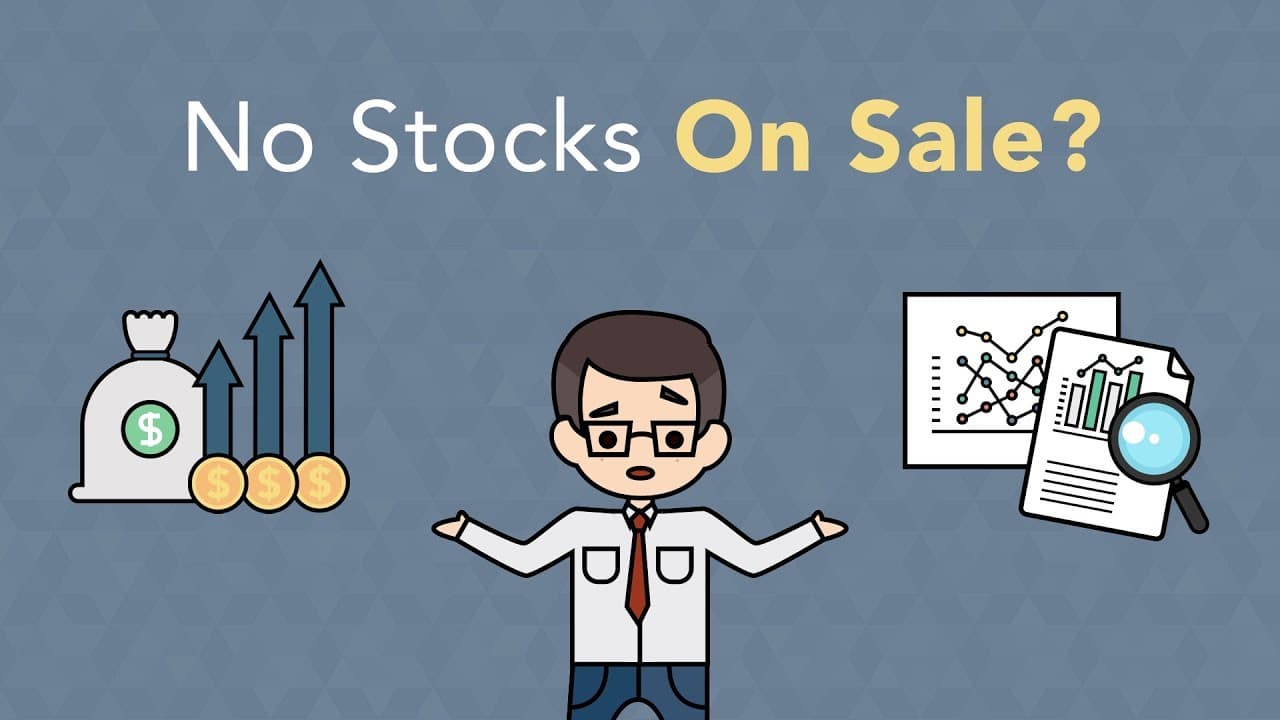
When attractive stocks cannot be found at prices below their estimated value, the recommended response is to hold cash, continue saving, and wait patiently. Low interest rates helped raise stock valuations, but higher rates could reverse that effect. Investors can use the waiting period to study companies, read 10-K filings, estimate suitable purchase prices, and prepare a focused watch list.
Transcript
Hi, you guys. I'm Phil Town from Rule 1 Investing. Today, we're gonna go over something fun that can trip up even the most experienced investors. What do you do when you can't find any stocks on sale? Since the 2008 recession, the US stock market has been on a tear. We've seen historic gains for almost 10 years now. As stock prices continue to clim... Read More
Key Insights
- The US stock market had risen for almost 10 years after the 2008 recession, making attractively priced businesses increasingly scarce. Strong economic performance contributed to the advance, but the speaker argues that broad market prices had reached levels that could not be sustained indefinitely.
- The Wilshire-to-GDP ratio compares the total value of publicly traded US companies with gross domestic product. The speaker treats a higher ratio as evidence of greater market overvaluation because market prices have increased relative to the revenue-generating activity of businesses throughout the economy.
- The cited Wilshire-to-GDP ratio was about 175%, which the speaker describes as historically unprecedented. By comparison, the ratio stood around 20% to 40% during the 1970s, when Warren Buffett was making substantial investments and businesses were available at much lower valuations.
- Low interest rates can increase stock valuations by reducing the returns available from Treasury securities. When a 10-year bond yields roughly 2%, investors may prefer a stock with a similar dividend because ownership also provides the possibility that the underlying company will appreciate.
- The spread between Treasury returns and required stock returns shapes Wall Street valuations. If bond yields fall from 4% to 2%, companies can be revalued much higher while preserving the expected return premium for accepting equity risk, with some valuations potentially doubling.
- Rising interest rates can reverse the valuation expansion caused by falling rates. The speaker warns that a move from 2% to 4% could happen within months and could cut the stock market in half because the same valuation relationship operates quickly in both directions.
- Patience is the recommended strategy when excellent companies are overpriced. Rather than violate the Rule One principle of avoiding losses, investors can keep contributing money to their accounts, hold it for future opportunities, and accept waiting months or even years before buying.
- An expensive market creates time for preparation rather than forced action. Investors can study businesses they understand and admire, read annual 10-K filings, calculate acceptable purchase prices, and build a watch list that includes excellent companies even when their current shares are far too expensive.
Install to Summarize YouTube Videos and Get Transcripts
Explore YouTube Video Summarizer or Get YouTube Transcript Extractor
Questions & Answers
Q: What should investors do when no stocks appear to be on sale?
Investors should remain patient, continue saving cash, and avoid buying companies merely because they feel pressure to stay invested. The recommended approach is to preserve investment standards and wait for excellent businesses to trade at appropriate prices. During the waiting period, investors can research companies, estimate their values, and prepare a watch list for future opportunities.
Q: Why were stocks considered overpriced in 2019?
Stocks were considered overpriced because the market had experienced historic gains for almost 10 years after the 2008 recession, while broad valuation measures had climbed to exceptional levels. The speaker cites a Wilshire-to-GDP ratio of about 175%, far above the 20% to 40% levels seen during the 1970s, as evidence of historically expensive market pricing.
Q: What is the Wilshire-to-GDP ratio used for?
The Wilshire-to-GDP ratio divides the total value of publicly traded companies in the US stock market by gross domestic product. It is used to compare market prices with the economic activity and revenues produced by companies operating in the United States. According to the speaker, a higher ratio provides stronger evidence that the overall stock market is overpriced.
Q: How do low interest rates increase stock valuations?
Low interest rates reduce the return investors can receive from Treasury securities, making stocks comparatively more attractive. If a 10-year bond offers around 2%, a company paying a 2% dividend may look preferable because its value could also rise. Wall Street can therefore apply higher valuations to companies while maintaining a return premium over low-risk government securities.
Q: Why could rising interest rates cause stock prices to fall?
Rising interest rates increase the return available from Treasury securities and therefore raise the return investors may require from riskier stocks. That change can force market valuations downward, reversing the effect produced by falling rates. The speaker warns that an increase from 2% to 4% could occur within months and potentially cut the stock market in half.
Q: Is waiting several years to invest necessarily harmful?
Waiting several years is not necessarily harmful when the alternative is buying severely overvalued companies. The speaker argues that investing at bargain prices can generate returns that compensate for time spent waiting. As an example, investors who waited through 2006, 2007, and 2008 before buying in 2009 could have achieved exceptionally high annual returns on some companies for five years.
Q: How should investors research stocks while holding cash?
Investors should use the waiting period to study companies they understand, admire, or regularly support through their spending. They can read corporate 10-K filings, examine the businesses carefully, and determine prices that would provide attractive opportunities. The goal is to create a prepared shopping list before declining markets make excellent companies available at bargain valuations.
Q: Why should overpriced companies still be placed on a watch list?
An excellent company can deserve a place on a watch list even when its current shares are much too expensive. The watch list records businesses an investor would like to own if the price becomes appropriate. By researching those companies and calculating suitable purchase prices in advance, the investor can act confidently when a market decline eventually creates bargains.
Summary & Key Takeaways
-
The broad US stock market appeared historically expensive in 2019 after nearly 10 years of gains following the 2008 recession. The Wilshire-to-GDP ratio was cited at about 175%, compared with 20% to 40% during the 1970s, making businesses priced below their estimated intrinsic value unusually difficult to find.
-
Historically low interest rates encouraged investors to favor stocks over Treasury securities and supported higher company valuations. A roughly 2% Treasury return could make a stock offering a dividend plus potential appreciation appear more attractive. However, rising rates could reverse the valuation effect and cause stock prices to decline rapidly.
-
The recommended response to an overpriced market is patience rather than compromising investment standards. Investors can accumulate cash, research excellent businesses, read their 10-K filings, determine appropriate purchase prices, and create a watch list. When falling prices eventually produce bargains, prepared investors can act decisively on their strongest opportunities.
Read in Other Languages (beta)
Share This Summary 📚
Summarize YouTube Videos and Get Video Transcripts with 1-Click
Try YouTube Summary with ChatGPT & Claude or YouTube Transcript Generator
Explore More Summaries from Rule #1 Investing 📚
Summarize YouTube Videos and Get Video Transcripts with 1-Click
Try YouTube Summary with ChatGPT & Claude or YouTube Transcript Generator