Why Did Finland End Neutrality and Join NATO?
TL;DR
Finland joined NATO because Russia's 2022 invasion of Ukraine convinced Finns that neutrality and Russian security promises no longer provided sufficient protection. Membership strengthens NATO's northern flank, improves Baltic defense through Finnish forces and Swedish naval capabilities, and places Russia beside a longer stretch of alliance territory, although deterrence still depends on NATO remaining united.
Transcript
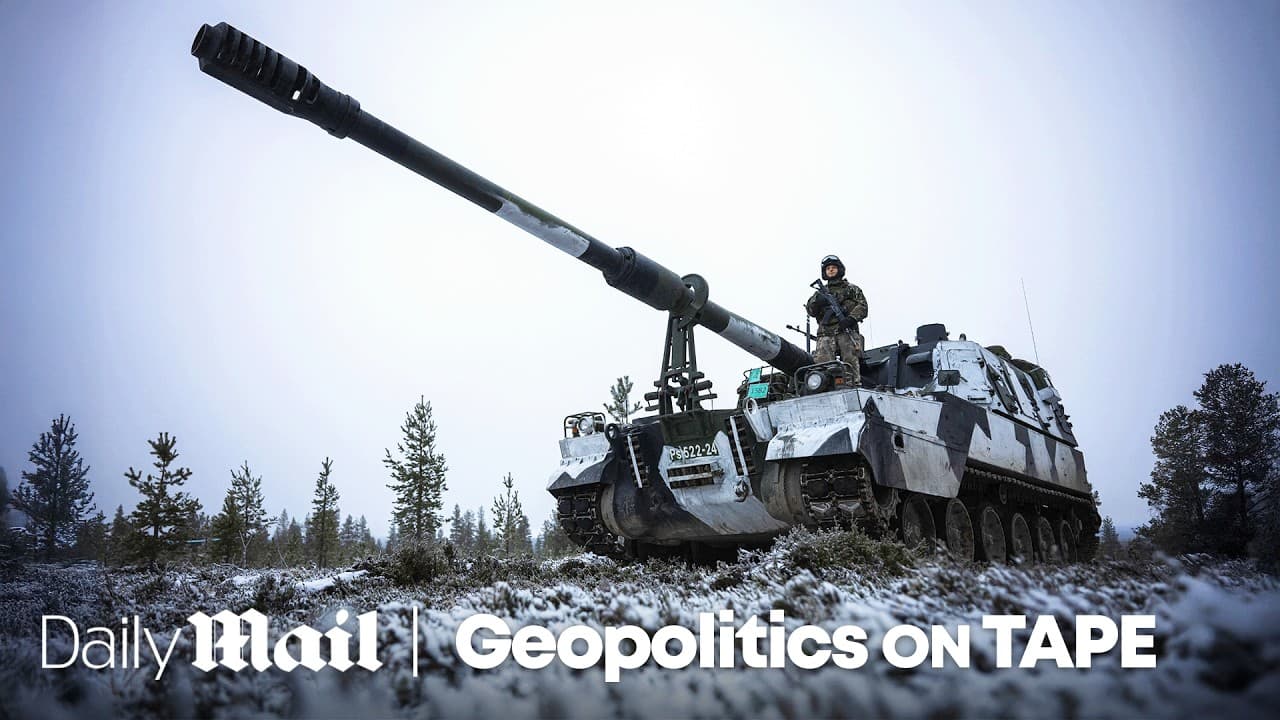
What we're looking at here are NATO livefire drills taking place in Finland, less than 100 miles from the Russian border. This is historic footage because until very recently, Finland was a neutral country, meaning it had sworn not to join any military alliances. But now, it is a member of the world's largest alliance and has brought that alliance ... Read More
Key Insights
- Finland abandoned neutrality because Russia's 2022 invasion of Ukraine undermined confidence in Moscow's promises. Finns concluded that remaining outside NATO could leave them more vulnerable, causing public opinion to shift rapidly and prompting an application only three months after the invasion began.
- Finnish neutrality was a security arrangement shaped by conflict with the Soviet Union. Finland could maintain an army but could not join military alliances, permit foreign armies on its territory, or use its forces against Russia, while the Soviets promised not to attack.
- Finland maintained a large military because neutrality left it responsible for its own defense. Conscription makes men eligible for service at age 18, basic training lasts at least five months, and trained conscripts enter a reserve that remains available for call-up until age 50.
- Finnish artillery is presented as the largest force of its kind in Europe aside from Russia. The military uses systems including the South Korean K9 Thunder, purchased for around $3 million each, and trains conscripts to operate them during multinational live-fire exercises.
- The Baltic states are vulnerable because Russia, Kaliningrad, Belarus, and the Baltic Sea constrain their access to other NATO members. Their only land connection to the wider alliance is the Suwalki Gap, a remote corridor in northeastern Poland described as only 50 miles wide.
- Finland and Sweden strengthen NATO's northern flank by surrounding more of the Baltic Sea with alliance members. Swedish submarines could disrupt a Russian blockade, while an open sea route could allow Finnish troops and artillery to reinforce the Baltics even if their land corridor were closed.
- Finland contributes more than military equipment to NATO. Its experience gathering intelligence on Russia, expertise in cold-climate warfare, sizable ground forces, and artillery capabilities provide knowledge and operational capacity that can be shared with other alliance militaries.
- NATO deterrence depends on credible collective action under Article 5. Finland's membership reduces Russia's freedom of maneuver and raises the expected cost of aggression, but those benefits remain effective only while members stay united and potential attackers believe the alliance will respond together.
Install to Summarize YouTube Videos and Get Transcripts
Explore YouTube Video Summarizer or Get YouTube Transcript Extractor
Questions & Answers
Q: Why did Finland end neutrality and join NATO?
Finland ended neutrality because Russia's 2022 invasion of Ukraine changed how Finns judged their security. Russia had also promised in 1994 not to attack Ukraine, so the invasion weakened confidence in Moscow's promise to leave Finland alone if it stayed neutral. Public opinion shifted rapidly, Finland applied for NATO membership three months after the war began, and it was accepted the following year.
Q: How did Finnish neutrality work during the Cold War?
Finnish neutrality made the country a buffer between the Soviet-led Warsaw Pact and the Western NATO alliance. Finland was allowed to maintain an army for self-defense, but it could not join a military alliance, permit foreign forces on its soil, or use its military against Russia. In return, the Soviet Union promised not to attack, and this arrangement guided Finnish policy for eight decades.
Q: How strong is Finland's military according to the video?
Finland has a much larger military than its population and economy might suggest. Its system uses conscription, with every man becoming eligible at age 18, completing at least five months of basic training, and remaining a reservist until age 50. Finland also has Europe's largest artillery force aside from Russia, giving it substantial defensive firepower against a larger neighboring state.
Q: What is NATO's Article 5 and why does it matter to Finland?
Article 5 represents NATO's collective-security principle that an attack on one member is treated as an attack involving the entire alliance. For Finland, this replaces reliance on neutrality and Russian assurances with the prospect of support from all NATO members. Its deterrent effect depends on Russia believing that the alliance will remain united and respond collectively if any member is attacked.
Q: Why is the Suwalki Gap important to NATO defense?
The Suwalki Gap is the Baltic states' only land connection to the rest of NATO. It is described as a remote, 50-mile-wide corridor in northeastern Poland, positioned between Russian and allied territory. A coordinated attack could potentially close this route and isolate Estonia, Latvia, and Lithuania from land reinforcements, making alternative access through the Baltic Sea strategically important.
Q: How do Finland and Sweden improve Baltic security?
Finland and Sweden reinforce NATO's previously vulnerable northern flank and place alliance countries around the Baltic Sea. Sweden's sophisticated submarines could disrupt a Russian naval blockade, while Finland could move troops and artillery across an open Baltic route. This creates another reinforcement option if Russia closes the Suwalki Gap and makes an attack on the Baltic states less likely to succeed.
Q: What capabilities does Finland contribute to NATO?
Finland contributes substantial ground forces, a conscription-based reserve, major artillery capacity, and experience operating in cold climates similar to conditions in the Baltic region. It is also described as having extensive experience gathering intelligence on Russia. These capabilities add both firepower and specialized knowledge that Finnish personnel can share with other NATO militaries during exercises and potential conflicts.
Q: How did Russia's invasion of Ukraine affect NATO's borders?
The invasion produced the opposite of Russia's stated objective of keeping NATO away from its borders. Finland responded by abandoning neutrality and joining the alliance, bringing NATO directly alongside a long stretch of Russian territory that the alliance had not previously touched. Sweden followed in 2024, further strengthening NATO around the Baltic Sea and reducing Moscow's freedom of maneuver.
Summary & Key Takeaways
-
Finland maintained neutrality for eight decades after wartime agreements with the Soviet Union limited its alliance choices while allowing it to retain defensive forces. Rather than disarming, Finland built a comparatively large military based on conscription, extensive reserves, and substantial artillery because neutrality required the country to prepare for defense without NATO protection.
-
Russia's 2022 invasion of Ukraine transformed Finnish security calculations because Russia had previously promised not to attack Ukraine. Finnish public opinion rapidly shifted toward NATO membership, and Finland applied only three months after the war began. It became NATO's 31st member the following year, while Sweden joined the alliance in 2024.
-
Finland and Sweden strengthen NATO around the Baltic Sea and provide alternatives for reinforcing the Baltic states if the Suwalki Gap is closed. Finland contributes troops, artillery, intelligence experience, and cold-weather expertise, while Sweden contributes sophisticated submarines. These advantages increase deterrence, but their value ultimately depends on continued alliance unity and credible collective defense.
Read in Other Languages (beta)
Share This Summary 📚
Summarize YouTube Videos and Get Video Transcripts with 1-Click
Try YouTube Summary with ChatGPT & Claude or YouTube Transcript Generator
Explore More Summaries from Daily Mail World 📚


Summarize YouTube Videos and Get Video Transcripts with 1-Click
Try YouTube Summary with ChatGPT & Claude or YouTube Transcript Generator