Do We Need God for Meaning in Our Lives?
TL;DR
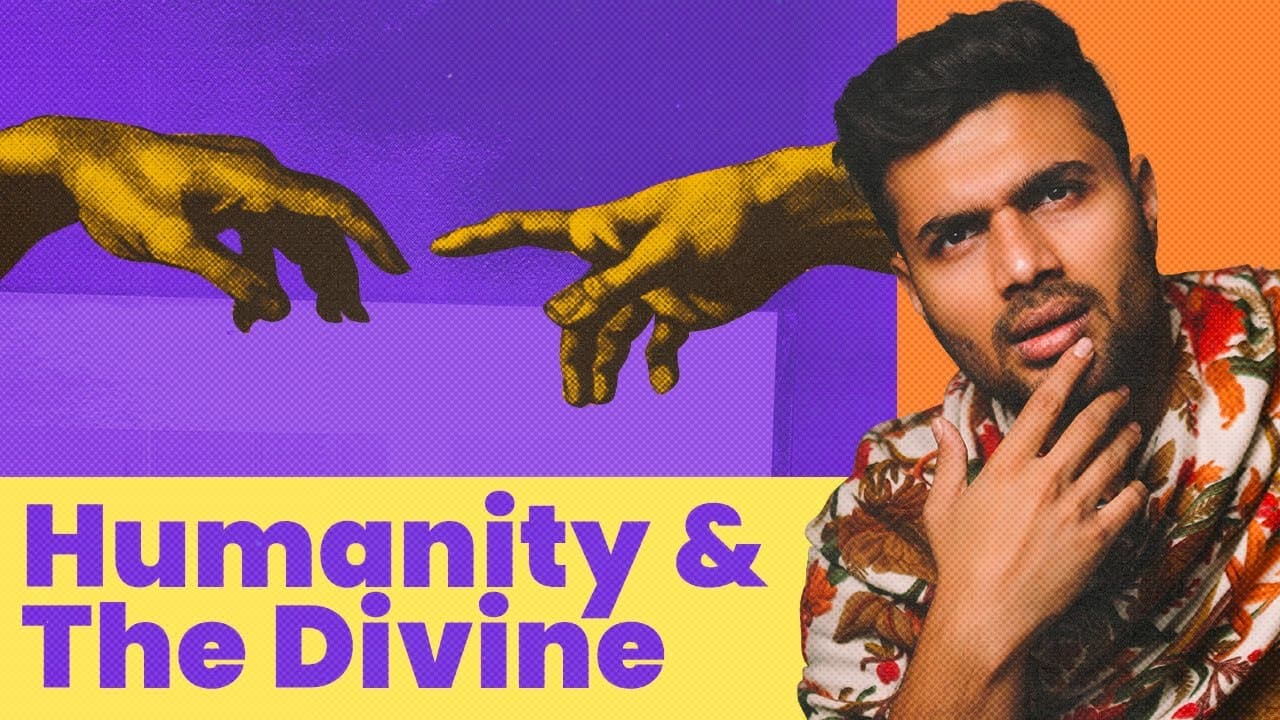
Human beings have an inherent psychological need for the divine, which can't be fulfilled by science or atheism. The concept of God serves as a collective reference point for establishing moral values and meaning in life. Without this framework, questions about right and wrong become challenging for atheists to navigate.
Transcript
if i teach you to say you as an anti-thesis to the divine eventually you will become your prayer that is the problem i always wanted to start a paradoxical religion i even named it shunya a zero religion where the followers are shunned if they follow the doctrines but i fear that even being shunned would eventually become virtuous bro you are smart... Read More
Key Insights
- 🪡 The need for the divine is deeply ingrained in humanity and cannot be eliminated.
- ❓ Mythology and religious stories cannot be replaced by scientific explanations.
- 🗯️ The concept of right and wrong is dependent on a collective acceptance of an aspirational self, often represented by the idea of God.
- 🤨 Atheism raises questions about the basis for moral values without the concept of God.
- 💁 Non-religious aspects of life, like capitalism or hustle culture, can become forms of spirituality.
- 🃏 Destroying someone's belief in God as a joke may have unintended consequences.
- 💁 Atheists need to be cautious about unconsciously adopting forms of divinity in their beliefs or actions.
Install to Summarize YouTube Videos and Get Transcripts
Explore YouTube Video Summarizer or Get YouTube Transcript Extractor
Questions & Answers
Q: What is the main lesson from the film "Oh My God" and the content discussed?
The film and content highlight that people have a psychological necessity for the divine, and you cannot eliminate the need for mythology or religious stories.
Q: How is the concept of right and wrong established in the world?
Right and wrong are often determined by placing oneself in the future and envisioning survival. This idea is a fundamental basis for deciding what is right and wrong.
Q: Why is the idea of God important in establishing a sense of right and wrong?
God serves as a common point of reference for moral values, providing an aspirational self that is commonly accepted by society.
Q: What does Jordan Peterson suggest about spirituality and divinity?
Peterson suggests that even non-religious aspects of life, such as capitalism or hustle culture, can serve as forms of spirituality or divinity for some individuals.
Summary & Key Takeaways
-
The lesson from the content is that people have a fundamental need for the divine, and you cannot replace mythology and religious stories with scientific explanations.
-
The concept of right and wrong is established through a collective acceptance of an aspirational self, which is commonly represented by the idea of God.
-
Atheism poses the question of what the point of reference for moral values would be without the concept of God.
-
Jordan Peterson suggests that even non-religious aspects of life, such as capitalism or hustle culture, can become a type of spirituality or divine for some individuals.
Read in Other Languages (beta)
Share This Summary 📚
Summarize YouTube Videos and Get Video Transcripts with 1-Click
Try YouTube Summary with ChatGPT & Claude or YouTube Transcript Generator
Explore More Summaries from Prakhar ke Pravachan 📚

Summarize YouTube Videos and Get Video Transcripts with 1-Click
Try YouTube Summary with ChatGPT & Claude or YouTube Transcript Generator