Doctor Reacts To VIRAL Medical Sketches
TL;DR
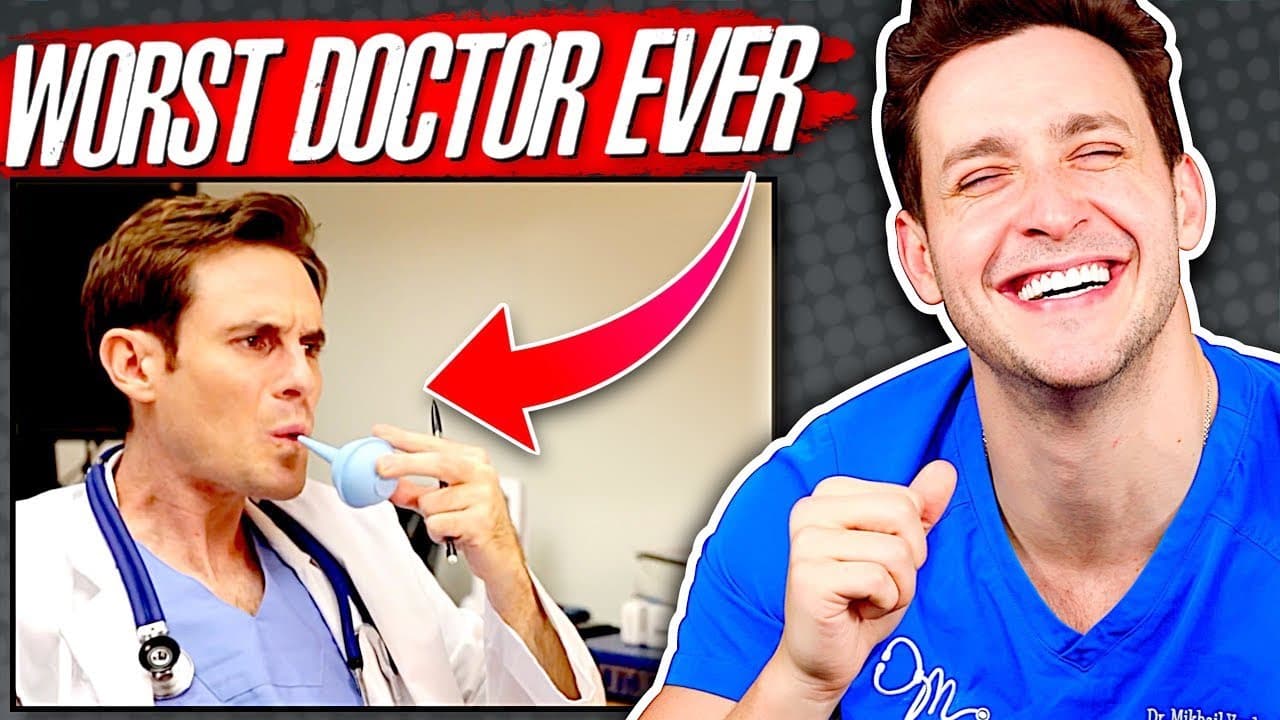
Doctor Mike reacts to viral medical sketches by separating useful medical lessons from exaggerated comedy. He explains why an anesthesiologist should monitor sedation during surgery, why an appendectomy does not require moving ribs, and why chest compressions should begin when a patient has no pulse. He also critiques WebMD symptom tracking and discusses the limits of AI diagnosis, giving readers several specific medical misconceptions to explore below.
Transcript
- Medical sketches are really like medical memes, just reenacted. And guess what? On today's video, I'm gonna be reacting some of the most popular medical sketches on YouTube, excluding SNL 'cause we've done those already, link down below. But first, I have a major announcement for you. I am looking to hire another editor. We want you to join the t... Read More
Key Insights
- 😷 Medical sketches can serve as amusing yet revealing critiques of actual medical practices and procedures.
- 😷 Humor is often used to highlight misconceptions in health care, demonstrating the importance of proper training and roles in medical contexts.
- 😷 The host aims to blend education with entertainment, offering a unique perspective on medical issues through parody.
- 🏁 Online symptom checkers like WebMD attract criticism for their potential to mislead patients about their conditions.
- ❓ Cultural references within the sketches enhance relatability, especially for audiences familiar with gaming and meme culture.
- 💁 Engagement through likes and community feedback indicates a desire for interaction beyond standard video formats.
- 😷 Education about medical processes is emphasized alongside comedic elements, making health information accessible in a fun way.
Install to Summarize YouTube Videos and Get Transcripts
Explore YouTube Video Summarizer or Get YouTube Transcript Extractor
Questions & Answers
Q: What medical inaccuracies does Doctor Mike identify in the viral sketches?
He flags a surgeon administering anesthesia without an anesthesiologist, an appendectomy involving ribs and a bone saw, and a response to a pulseless patient that delays chest compressions. He also questions cracking noises during an incision, a lowered surgical mask, and the idea that abdominal organs can simply be scooped out.
Q: Why should an anesthesiologist be present during an operation?
Doctor Mike says the anesthesiologist monitors the patient's sedation while the surgeon concentrates on the operation. This includes preventing excessive sedation that could slow the patient's heart rate or breathing.
Q: Are the ribs in the way during an appendectomy?
No, according to Doctor Mike, the appendix is lower in the abdomen, so the ribs do not need to be moved. He contrasts the appendix's location with higher organs such as the gallbladder and liver.
Q: What should happen when a patient has no pulse?
Doctor Mike says chest compressions should begin immediately when a patient has no pulse. The medical team should not delay CPR by first calling for an unspecified number of cubic centimeters of medication.
Q: Can diabetes and high blood pressure cause kidney failure?
Doctor Mike says untreated diabetes can cause kidney failure, and untreated high blood pressure can as well. He warns that hypertension may cause damage even when a person feels fine, affecting the kidneys, blood vessels, and heart.
Q: What does Doctor Mike say about WebMD's symptom tracker?
He says using a symptom tracker privately at home may be appealing, but its conclusions are almost always going to be inaccurate. He still credits WebMD with explaining diagnosed conditions and helping people prepare better questions for a doctor or nurse.
Q: Why does Doctor Mike think a human is needed for medical diagnosis?
He says medicine, symptoms, pain levels, and people's understanding of medical terminology are all subjective. Because diagnosis involves that complexity, he does not foresee humans ceasing to care for other humans, even as people build AI platforms that generate diagnoses from symptoms.
Q: What pediatric developmental test does Doctor Mike recall from medical training?
He recalls being taught to throw a block on the floor and ask a child to retrieve it. The exercise was meant to check whether the child could follow instructions, though he says it made him uncomfortable because it felt like playing fetch with the child.
Summary & Key Takeaways
-
The video showcases comedic medical sketches from YouTube alongside a critique of inaccuracies in medical procedures, emphasizing the importance of understanding the roles of medical professionals.
-
Viewers are invited to engage by liking the video, with the host hinting at creating their own medical sketch if it reaches 100,000 likes.
-
Various sketches include references to WebMD diagnoses and comedic misunderstandings in medical scenarios, offering a lighthearted take on common healthcare situations.
Read in Other Languages (beta)
Share This Summary 📚
Summarize YouTube Videos and Get Video Transcripts with 1-Click
Try YouTube Summary with ChatGPT & Claude or YouTube Transcript Generator
Explore More Summaries from Doctor Mike 📚


Summarize YouTube Videos and Get Video Transcripts with 1-Click
Try YouTube Summary with ChatGPT & Claude or YouTube Transcript Generator