How to Teach Your Dog to Wait at Doorways Safely
TL;DR
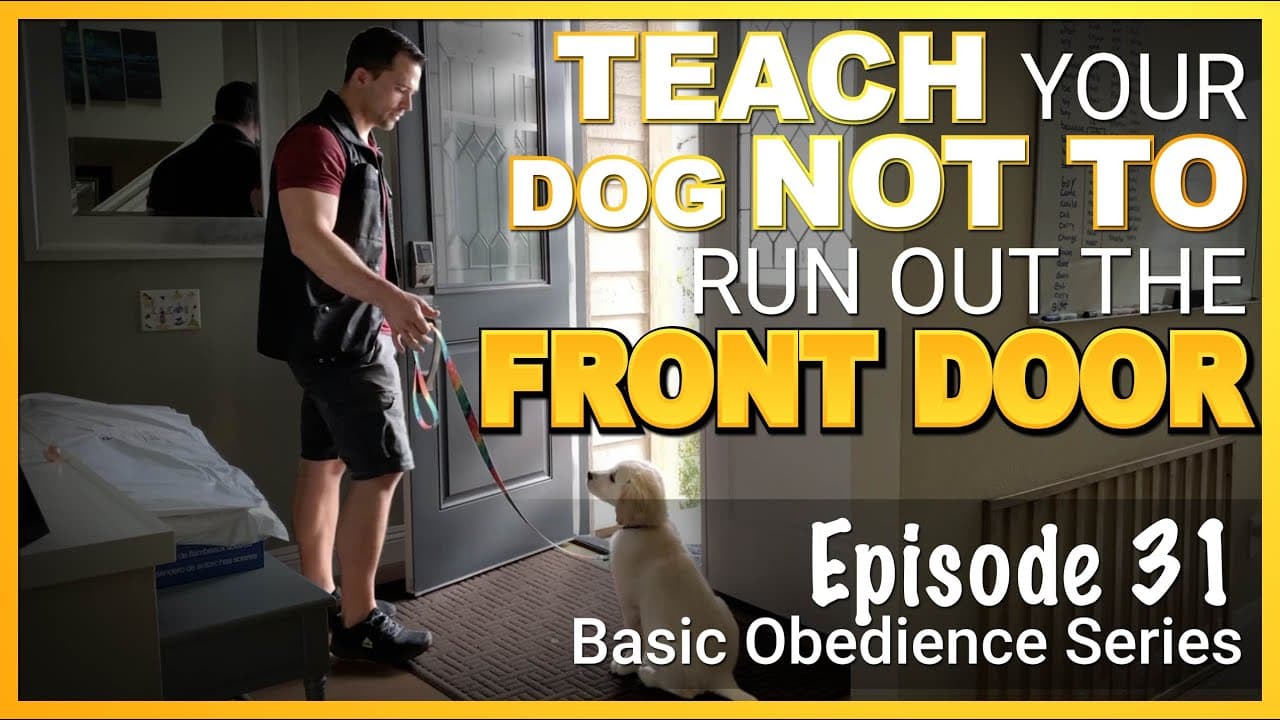
To teach your dog to wait at doorways, consistently practice having them sit and look to you for permission before going through. This can prevent accidents, such as bolting into traffic. Use a leash for control and repeat the exercise regularly to reinforce safe behavior around open doors.
Transcript
in today's video we're gonna be teaching our dogs how to properly go through a doorway and what I mean by that is either a tee they have to wait for us to go through the doorway first or be they have to wait for us to allow them or release them to go through the doorway if your dog understands this concept they're going to be way less likely to run... Read More
Key Insights
- Training dogs to wait at doorways can prevent them from running into dangerous situations, enhancing their safety significantly.
- This method emphasizes patience and control, allowing the dog to become accustomed to open doors without impulsively running out.
- The training does not focus on dominance but rather on the safety and well-being of the dog, ensuring they act cautiously.
- Repeating the exercise multiple times daily helps the dog understand that an open door is not an invitation to leave.
- Using a leash during training can help prevent the dog from running outside, reinforcing the waiting behavior.
- The ultimate goal is for the dog to look at the owner for permission before crossing the threshold, promoting obedience.
- This training can be applied to various doors, including car doors, to prevent dogs from darting into traffic.
- Such exercises are highly recommended for all dog owners to prevent accidents and ensure the safety of their pets.
Install to Summarize YouTube Videos and Get Transcripts
Explore YouTube Video Summarizer or Get YouTube Transcript Extractor
Questions & Answers
Q: Why is it important to train dogs to wait at doorways?
Training dogs to wait at doorways is vital for their safety. This behavior prevents them from impulsively running into potentially dangerous areas, such as streets, where they could be injured. By teaching them to wait for permission, owners can ensure their pets act cautiously and avoid accidents.
Q: How does leash use support doorway training?
Using a leash during doorway training helps control the dog's movements, preventing them from running outside impulsively. It allows the owner to guide the dog back if they attempt to bolt, reinforcing the waiting behavior and teaching the dog to associate open doors with patience and permission.
Q: What is the ultimate goal of doorway training?
The ultimate goal of doorway training is for the dog to look at the owner for permission before crossing a threshold. This behavior promotes obedience and ensures the dog waits for a signal before proceeding, significantly reducing the risk of them running into dangerous situations.
Q: How often should doorway training be practiced?
Doorway training should be practiced multiple times daily to reinforce the behavior. Consistent practice helps the dog understand that an open door is not an automatic invitation to leave, making the behavior a normal part of their routine and enhancing their safety.
Q: What are the benefits of doorway training beyond safety?
Beyond safety, doorway training promotes discipline and obedience in dogs. It teaches them to wait for cues from their owners, fostering a stronger bond and communication between them. This behavior also reduces stress for owners, knowing their pets will not run into harm's way unexpectedly.
Q: Can this training be applied to car doors?
Yes, this training can be applied to car doors to prevent dogs from jumping out into traffic. By teaching them to wait for permission before exiting the vehicle, owners can ensure their pets' safety in various environments, not just at home.
Q: Is it necessary for dogs to sit during doorway training?
It is not necessary for dogs to sit during doorway training. The main focus is for the dog to look up at the owner and wait for permission to proceed. Sitting can be part of the routine, but the key is the dog's attention and readiness to follow the owner's cue.
Q: How does this training method differ from dominance-based training?
This training method differs from dominance-based training as it focuses on safety and cooperation rather than asserting control. The emphasis is on teaching the dog to wait for permission, which fosters trust and communication, rather than using dominance to enforce behavior.
Summary & Key Takeaways
-
The video emphasizes training dogs to wait at doorways to prevent accidents. By teaching dogs to wait for permission, owners can enhance their pets' safety, especially in high-risk areas like streets. Repeated practice with leash control ensures dogs learn to associate open doors with waiting rather than running.
-
Doorway training is crucial for ensuring a dog's safety. The technique involves making the dog wait at open doors, reducing the risk of them running into dangerous areas. Consistent practice with leash guidance helps dogs learn to wait for their owner's signal before proceeding.
-
The training focuses on the dog's safety by teaching them to wait at doorways. This reduces the likelihood of them running into traffic or other dangers. Regular practice and leash use help reinforce this behavior, making it a recommended exercise for all dog owners.
Read in Other Languages (beta)
Share This Summary 📚
Summarize YouTube Videos and Get Video Transcripts with 1-Click
Try YouTube Summary with ChatGPT & Claude or YouTube Transcript Generator
Explore More Summaries from Nate Schoemer 📚



Summarize YouTube Videos and Get Video Transcripts with 1-Click
Try YouTube Summary with ChatGPT & Claude or YouTube Transcript Generator