How to replace SAS with an AI system in 2–4 weeks
TL;DR
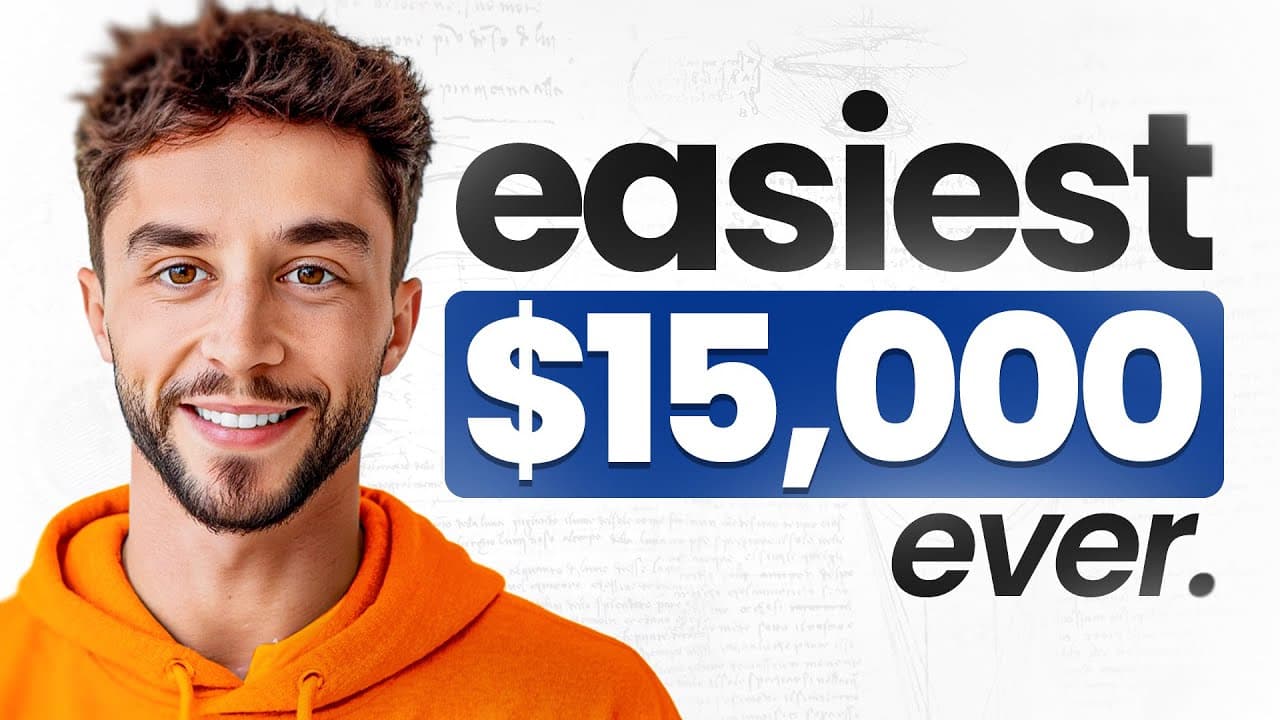
Replacing a bulky SAS stack with a custom AI powered system in 2 to 4 weeks is achievable for a 15k USD offer. The approach cuts software waste, unifies scattered data, and provides an AI brain with access to essential context, enabling practical ROI for businesses that currently overspend on subscriptions.
Transcript
The $5 trillion AI SAS industry is about to crumble. And it's going to create one of the biggest opportunities to create wealth with AI that we have ever seen. And this is because businesses right now are wasting on average $100,000 per year on a mess of software tools that don't talk to each other, creating a data nightmare that makes AI completel... Read More
Key Insights
- AI driven systems can replace a clunky SAS stack by integrating data and workflows into a single, cohesive solution.
- The cost of software waste is substantial, with average per employee spending and underutilization driving unnecessary expenses.
- Context is critical for AI success; without access to comprehensive, up to date data, AI outputs are limited and less valuable.
- The new generation of AI tools lowers development time and cost, enabling faster ROI for internal systems upgrades.
- Vendor lock-in and lack of customization are key downsides of traditional SAS that AI powered systems can mitigate.
- Duct tape automation using disparate tools leads to fragile integrations that break with changes in data sources or tools.
- The discussed offering targets small to mid sized businesses by delivering an affordable, rapid deployment that unifies data and processes.
- Building a repeatable, teachable process for AI transformation creates scalable opportunities for agencies and freelancers alike.
- More videos from this channel:
- More from this channel: Liam Ottley
Install to Summarize YouTube Videos and Get Transcripts
Explore YouTube Video Summarizer or Get YouTube Transcript Extractor
Questions & Answers
Q: A real search query question about the video (e.g. 'How to...', 'What is...', 'Why does...', 'When should...'). Question 1
What is the central promise of the 15k AI offer described in the video, and why is it seen as a disruption to traditional SAS stacks? The answer is that the offer replaces a businesss clunky SAS tech stack with a custom AI powered system that unifies data, reduces subscription waste, and delivers results within 2 to 4 weeks. This approach challenges the need for multiple subscriptions by providing an integrated AI brain that can access context and automate processes across platforms, which is a compelling value proposition for many businesses.
Q: Question 2
How does the video describe the cost and inefficiency of current SAS deployments, and what is the proposed solution to address this? It points out that businesses spend large sums on software subscriptions that often go unused or underutilized, creating waste and data fragmentation. The solution is a single AI driven system that consolidates data and automates workflows, effectively replacing multiple tools and reducing ongoing subscription costs while improving data coherence.
Q: Question 3
What role does data context play in making AI useful for business transformation according to the video, and how is this addressed by the offer? The video emphasizes that AI needs access to complete, up to date data across meetings, documents, invoices, and more to produce high quality outputs. The proposed offer delivers an AI brain with integrated context, enabling meaningful automation and better decision making.
Q: Question 4
Why is the traditional software development model described as inefficient for AI adoption, and how does the 15k offer change that dynamic? It notes that building enterprise software used to require years and huge budgets, whereas AI tools and simplified integration enable rapid deployment. The 15k offer leverages these tools to deliver a ready to use AI driven system quickly, lowering the barrier to AI adoption for small and mid sized businesses.
Q: Question 5
What are the main pain points of SAS sprawl that the video highlights, and how does the AI system counter them? The pain points include many tools, poor interoperability, high costs, and data not talking to each other. The AI system counters them by unifying data sources, providing a single integrated workflow, and eliminating the need for multiple subscriptions, thereby simplifying tech stacks.
Q: Question 6
How does the video frame the opportunity for beginners to enter the AI transformation space, and what tools are mentioned? It frames this as accessible to beginners who can build and sell AI driven systems using low code or vibe coding tools, citing platforms and workflows that enable rapid prototyping and deployment. This lowers the perceived barrier to entry and creates a pathway to monetization.
Q: Question 7
What evidence or examples does the video provide to illustrate the market need for AI powered internal systems? It cites large potential waste in SAS spending and the difficulty of integrating numerous tools, as well as observed pain points in real sales calls. These anecdotes support the claim that a unified AI system can deliver tangible ROI by replacing multiple subscriptions and improving data cohesion.
Q: Question 8
What is the strategic business takeaway for an agency or freelancer from the video, and how can they capitalize on it? The takeaway is to offer a productized service that replaces a full SAS stack with a custom AI solution in weeks, targeting small to midsize businesses. Agencies can package this as a defined, repeatable service at a clear price point, and scale through repeatable processes and client education.
Summary & Key Takeaways
-
The video explains that many businesses waste around 100,000 USD per year on unused or underutilized software, creating a data nightmare that hinders AI usefulness.
-
It argues that a single AI driven system can replace multiple tools by unifying data and automating processes, reducing the need for dozens of subscriptions.
-
The discussion emphasizes the economics of an AI transformation as a competitive edge and positions a 15k USD, 2–4 week implementation as a viable, scalable offer.
Read in Other Languages (beta)
Share This Summary 📚
Summarize YouTube Videos and Get Video Transcripts with 1-Click
Try YouTube Summary with ChatGPT & Claude or YouTube Transcript Generator
Explore More Summaries from Liam Ottley 📚




Summarize YouTube Videos and Get Video Transcripts with 1-Click
Try YouTube Summary with ChatGPT & Claude or YouTube Transcript Generator