Blitzscaling 20: Final Recap and Student Discussion

TL;DR
Blitz scaling refers to rapidly growing a company in response to external conditions or threats. Companies should start by doing things that don't scale, hire the right talent, and prioritize building a strong culture to maintain core values as they grow. Success in blitz scaling involves adapting strategies based on the company's phase and ensuring effective communication across the organization.
Transcript
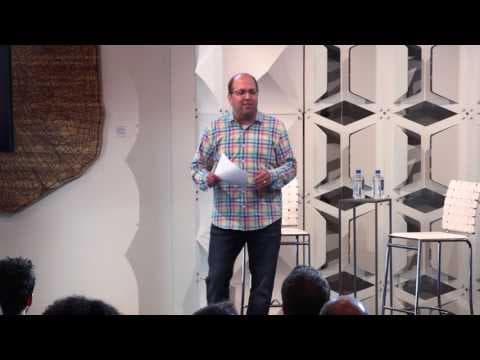
- So, thank you everyone. Those people who have come to all the class sessions and who are here for the very final class in CS 183C, Technology-Enabled Blitz Scaling We're gonna be pretty informal today because we have food and drinks outside we're gonna be partying a bit. - But... (applause and cheering) But, since Stanford seems to want us to app... Read More
Key Insights
- 🪛 Blitz scaling is often driven by external conditions and can occur with or without conscious intent.
- 💗 Successful blitz scaling often involves doing things that do not scale initially and adapting as the company grows.
- 🗯️ Hiring the right people and building a strong culture are crucial for successful scaling.
- 🚥 Maintaining a consistent culture as the organization scales requires mechanisms for communication and horizontal accountability.
- 😨 Founders should focus on finding a problem they care about solving or building a great business that aligns with their skills and goals.
Install to Summarize YouTube Videos and Get Transcripts
Explore YouTube Video Summarizer or Get YouTube Transcript Extractor
Questions & Answers
Q: How do external conditions influence the decision to blitz scale?
External conditions, such as the presence of a strong competitor or the need to expand into new markets, often determine when it makes sense to start blitz scaling.
Q: Can blitz scaling occur without conscious intent?
Yes, sometimes the rapid growth of a company forces it into a blitz-scaling situation, requiring it to address the challenges of scaling as they arise.
Q: What role do network effects play in blitz scaling?
Network effects can be a key driver for blitz scaling, particularly when there are strong returns to being the first company to achieve scale in a particular market.
Q: How do companies maintain their culture as they scale?
Companies can use mechanisms like culture decks and regular communication from leadership to maintain a consistent culture as the organization grows. Horizontal accountability and peer-to-peer interactions are also crucial for culture alignment.
Q: How do successful founders think about product-market fit?
Founders approach product-market fit differently, with some prioritizing finding a problem they personally care about solving, while others focus on building a great business that aligns with their skills and goals.
Summary
This video is the final lecture of a class on technology-enabled blitz scaling. The speakers give an informal talk about the high-level concepts of the class and touch on various topics related to blitz scaling. They discuss the importance of external conditions in determining when to blitz-scale, the techniques of blitz-scaling including doing things that don't scale, changing strategies as the company grows, and the role of culture in scaling. They also touch on the challenges of innovation and attracting and convincing top talent to work with you.
Questions & Answers
Q: When is it the right time to blitz-scale?
Blitz-scaling depends on external conditions and can be triggered by threats or network effects. It's important to consider the returns to being the first to achieve scale and the readiness of the company to handle rapid growth.
Q: What are some techniques of blitz-scaling?
Doing things that don't scale, such as personalized customer interactions or manual processes, can be effective in the early stages of a startup. Hiring from the outside or through acquisitions can help bring in expertise that the internal team lacks. It's also important to adapt and change strategies as the company grows.
Q: How do you keep some things the same as a founder/CEO while changing other things?
It's important to find ways to keep some elements of the company's culture and decision-making processes consistent throughout growth. This can be achieved through mechanisms like weekly emails or culture decks that reach everyone in the organization. Leaders should also try to find models outside of their company and learn from other successful entrepreneurs.
Q: What are the distinctions in culture between different companies?
Culture is primarily about how decisions are made within the organization. It can vary greatly between companies, with some having strong cultures that shape behaviors and others having weak or bad cultures. Examples of culture include Amazon's intense focus on pre-meeting write-ups and Google's approach of breaking projects into small teams.
Q: How do you figure out if you're in the right phase of a company's growth?
Determining the phase of a company can be difficult, but it's important for effective execution. Key factors include speed and quality of decision-making and understanding the boundaries and goals of each phase. Looking at counter-examples can also provide insights into the challenges of transitioning between phases.
Q: Why do all Silicon Valley tech companies seem to have the same culture?
The perception that all Silicon Valley companies have the same culture is a misconception. Culture is not about perks like free food or office gadgets, but about how decisions are made within the company. It's important to have alignment, values, and decision-making processes that are consistent throughout the organization.
Q: What are some examples of distinctions in culture between different companies?
Examples provided include Google's focus on small team projects and transparency, Apple's segmented culture with limited disclosure, and the military's hierarchical and disciplined culture. Each company has its own unique way of making decisions and behaviors that shape its culture.
Q: How can you convince people to work with you and not someone else?
Attracting and convincing top talent involves creating an environment that they want to be a part of. This includes working on something that matters, having smart people to work with, and being able to explain why it matters. The company's culture, values, and mission are often differentiators in attracting talent.
Q: How do you balance compassionate management with ensuring people work hard?
Compassionate management is not about being gentle or soft, but about understanding and closing gaps. It's important to align motivation with actions and provide clear directives. Leadership plays a role in inspiring and motivating people to work hard, but it's also important for colleagues to see each other working hard and to have a shared mission.
Q: Should the expectation be to refine and build on an existing product or try different approaches until product-market fit is found?
The approach can vary depending on the entrepreneur and what they care about. Some entrepreneurs may stick with one idea and refine it until they find product-market fit, while others may experiment with different approaches. It's important to work on something you care about and align it with your own motivations and values.
Summary & Key Takeaways
-
Blitz scaling occurs when external conditions or threats make it necessary to rapidly and relentlessly grow a company.
-
Successful blitz scaling often involves doing things that do not scale initially and adapting as the company grows.
-
Hiring the right people, both from within and outside the organization, is crucial for successful scaling.
-
Building a strong and aligned culture is important for keeping the company's values and decision-making consistent as it scales.
Read in Other Languages (beta)
Share This Summary 📚
Summarize YouTube Videos and Get Video Transcripts with 1-Click
Try YouTube Summary with ChatGPT & Claude or YouTube Transcript Generator
Explore More Summaries from Greylock 📚



Summarize YouTube Videos and Get Video Transcripts with 1-Click
Try YouTube Summary with ChatGPT & Claude or YouTube Transcript Generator