What can GPT-5 do? Live demos and limits explained
TL;DR
GPT-5 shows strong performance across STEM topics such as coding, math, science, and research, with demonstrations like a beehive simulator, a 3D racing game, and a Photoshop clone all produced from single prompts. It also highlights built in error handling and real time UI demos, while acknowledging limitations and areas for prompting improvement.
Transcript
Finally, GPT5 is here. So, here's my full unscripted review of it. I'm going to show you all the cool things it can do, but also talk about its limitations. Plus, of course, we're also going to go over its specs and performance and compare it with the other leading AI models out there. Let's jump right in. Let's start with some tricky prompts to te... Read More
Key Insights
- GPT-5 demonstrates strengths across STEM subjects including coding, math, science, and research, according to the review.
- GPT-5 can produce a beehive simulation in a standalone HTML file with interactive controls, illustrating one shot generation capability.
- GPT-5 can generate a 3D racing game with neon cyberpunk visuals and in game physics, showing robust creative coding abilities.
- GPT-5 can create an interactive fluid dynamics visualizer with color dyes and multiple parameters in HTML, demonstrating simulation capabilities.
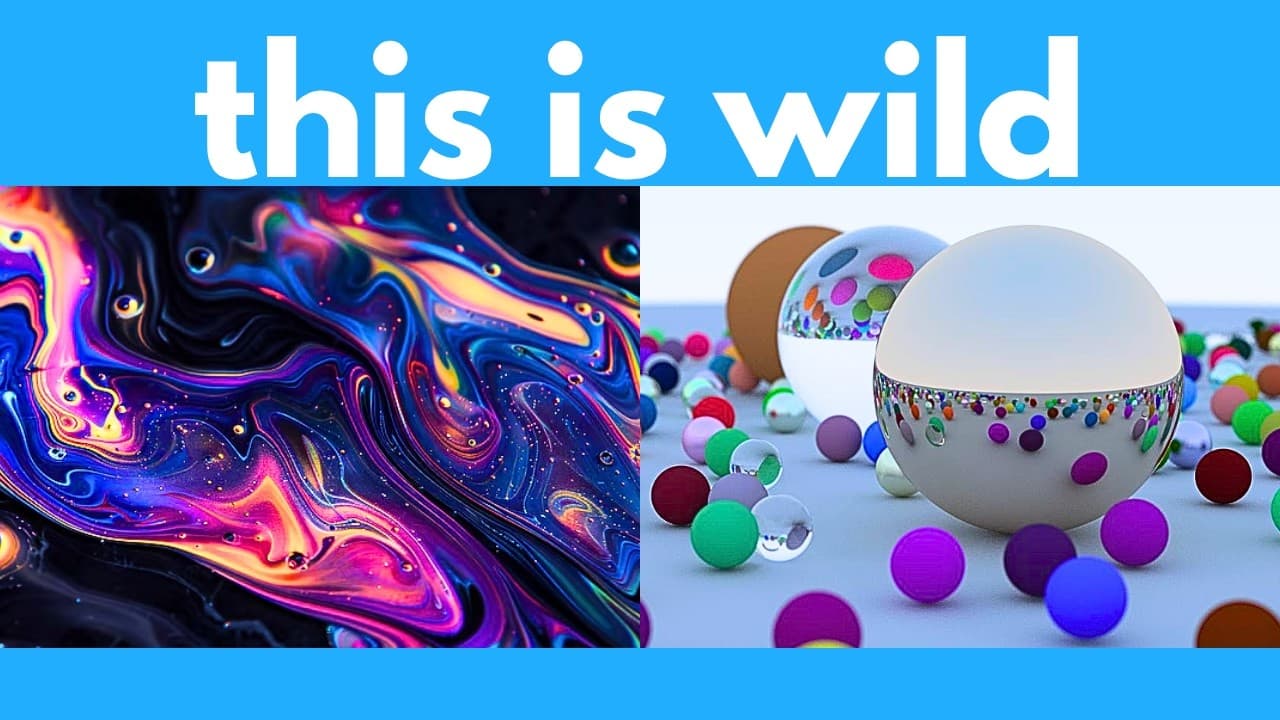
- GPT-5 can perform real time ray tracing and render a metallic sphere in a street scene with adjustable materials, showing advanced graphics support.
- GPT-5 can assemble a CRM dashboard with real time insights, charts, and widgets, albeit with some imperfections like an imperfect sales funnel.
- GPT-5 can clone Photoshop with tools, layers, filters, and image editing features, all within one prompt, highlighting strong UI and toolchain replication.
- GPT-5 exhibits autonomous debugging capabilities, including a bug fix prompt and error handling in graphics generation, underscoring resilience and self correction.
- More videos from this channel:
- More from this channel: AI Search
Install to Summarize YouTube Videos and Get Transcripts
Explore YouTube Video Summarizer or Get YouTube Transcript Extractor
Questions & Answers
Q: What is GPT-5 able to do across STEM subjects according to the video, and how does this compare to non STEM tasks?
GPT-5 excels across STEM subjects such as coding, math, science, and research, providing strong demonstrations in these areas. While it can also perform non STEM tasks like writing essays or replying to emails, the video emphasizes that the core strengths lie in technical, research oriented, and problem solving prompts, with these tasks often showcasing more robust results.
Q: How does GPT-5 handle creating a beehive simulation and what user controls are demonstrated?
GPT-5 is shown generating a beehive simulator in a standalone HTML file with interactive controls for colony size and resource availability. The demo includes a canvas preview and buttons to pause, reset, and adjust parameters, illustrating one shot generation and real time interactivity within a single prompt.
Q: What evidence is provided that GPT-5 can produce functional games or interactive visuals from prompts?
The video demonstrates GPT-5 producing a 3D racing game with neon cyberpunk tracks, speed boosts, and collision physics, all in HTML. The author notes the response is concise and free of unnecessary explanation, with playable mechanics and a responsive user experience confirming functional game creation.
Q: What does the video show about GPT-5’s physics understanding and visualization capabilities?
GPT-5 is used to generate a fluid dynamics visualizer with multiple color dyes and interactive parameters like diffusion and viscosity, showing how different settings affect mixing and flow. The demo includes color randomization and color addition, illustrating practical simulation capabilities and user driven experimentation.
Q: How does GPT-5 perform in real time ray tracing tasks, and what kinds of adjustments are shown?
The video features a real time ray tracing scenario with a metallic sphere in a street scene, including adjustable parameters like reflectivity, roughness, and other material properties. It also demonstrates an autonomous bug fixing feature and discusses visual outcomes when altering these properties.
Q: What capabilities does GPT-5 demonstrate regarding a CRM dashboard, and what limitations are noted?
GPT-5 produces a fully interactive CRM dashboard with real time insights, charts, a 7 day moving average, and widgets that can be repositioned. The reviewer notes a flaw in the initial sales funnel design but suggests that refinement through prompts is possible, showing practical business intelligence generation.
Q: How does the Photoshop clone demo illustrate GPT-5’s UI tool capabilities, and what features are highlighted?
The Photoshop clone demonstrates brush drawing, layers, filters, text, cropping, pan, zoom, and blend modes, all operable within one generated HTML file. The demo emphasizes layer management, color adjustments, and image editing features, indicating GPT-5 can replicate a complex raster editor through prompts.
Q: What does the video reveal about GPT-5’s error handling and autonomous debugging features?
A key highlight is GPT-5s ability to detect and fix bugs within the generated content, such as the ray tracing prompt where a fix bug option appears. This showcases an intrinsic capability to self correct and improve outputs without external prompting, contributing to reliability in complex tasks.
Summary & Key Takeaways
-
GPT-5 excites with STEM strengths and practical demos, including a beehive simulator and interactive visuals, proving the model can generate functional HTML driven tools from prompts.
-
The video contrasts GPT-5 with other models, showing code generation, debugging assistance, and autonomous error correction, while noting some outputs require refinement.
-
The reviewer showcases a Photoshop clone and a CRM dashboard, illustrating GPT-5’s breadth across creative, analytical, and utility tasks while remaining cautious about acceptable limitations.
Read in Other Languages (beta)
Share This Summary 📚
Summarize YouTube Videos and Get Video Transcripts with 1-Click
Try YouTube Summary with ChatGPT & Claude or YouTube Transcript Generator
Explore More Summaries from AI Search 📚





Summarize YouTube Videos and Get Video Transcripts with 1-Click
Try YouTube Summary with ChatGPT & Claude or YouTube Transcript Generator