What Is Poliev Derangement Syndrome and Its Impact?
TL;DR
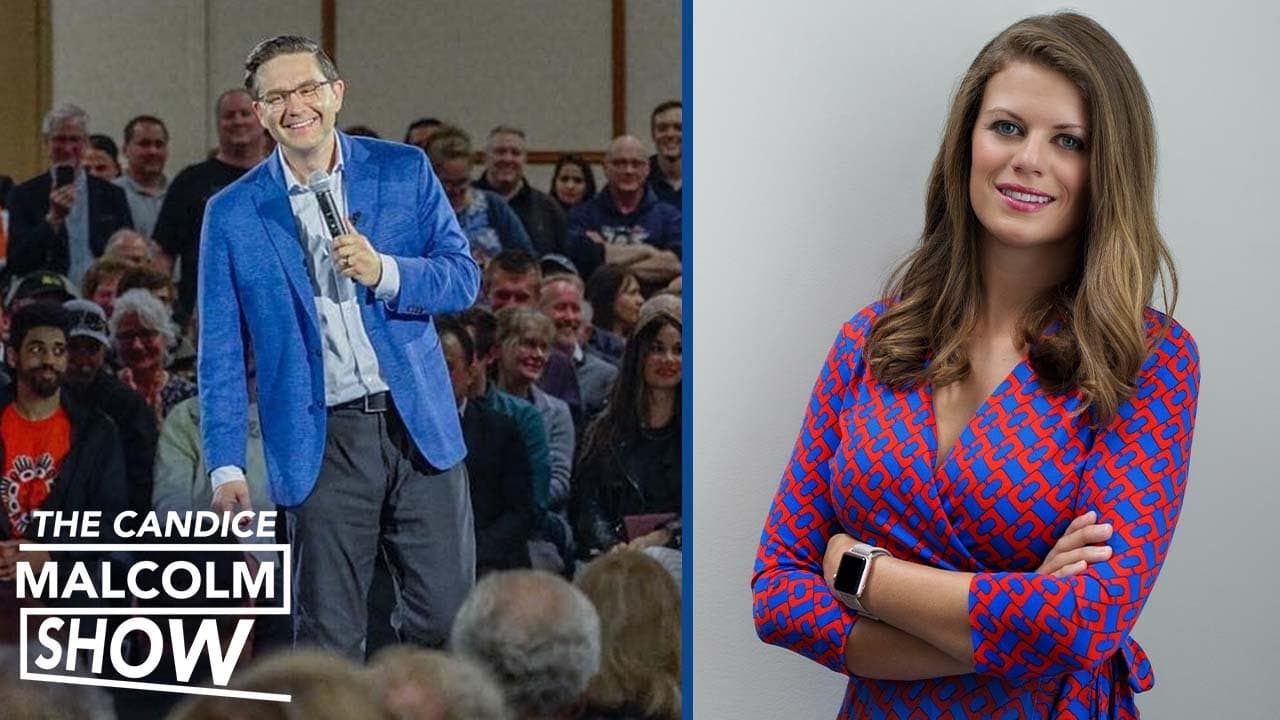
Poliev Derangement Syndrome refers to the media's biased coverage and skepticism of Pierre Poliev's political momentum compared to past leaders like Justin Trudeau. Despite Poliev's unprecedented membership numbers and organized campaign, media narratives continue to downplay his achievements, showcasing a potential double standard in reporting on conservative versus liberal leaders.
Transcript
well harrison i want to talk about polyev derangement syndrome we had an entire episode of the show on it a few weeks ago and it continues to thrive and so i covered this on my show earlier this week in interview with hamish marshall where we talked about how the conservative numbers are just blown everyone's figures out of the park uh six hundred ... Read More
Key Insights
- 🥳 Pierre Poliev’s campaign numbers are unprecedented for conservative leadership, showcasing a strong party membership engagement.
- 😓 The media's narrative often casts doubt on conservative achievements, reflecting a potential bias in political reporting.
- 🍝 Comparing past political coverage reveals a stark contrast in the enthusiasm with which media approaches liberal versus conservative candidates.
- 🤱 Membership fees contribute to a genuine investment in political candidates, showcasing a different level of commitment among supporters.
- 🔉 The media's portrayal of Poliev as analogous to more extreme figures indicates a failure to acknowledge the nuances in political identity.
- 💗 The conversation highlights the evolving political landscape in Canada, emphasizing a growing distrust of the current leadership.
- 🤨 Concerns about media integrity and fairness in election coverage raise questions about journalistic standards and accountability.
Install to Summarize YouTube Videos and Get Transcripts
Explore YouTube Video Summarizer or Get YouTube Transcript Extractor
Questions & Answers
Q: What is Poliev Derangement Syndrome, and why is it significant?
Poliev Derangement Syndrome refers to the media's persistent skepticism and negative portrayal of Pierre Poliev and his campaign. It's significant because it highlights the perceived bias in how political narratives are framed, suggesting that personal biases can influence journalistic integrity and public perception.
Q: How do Poliev’s membership numbers compare to previous leadership campaigns?
Poliev's campaign has reportedly amassed approximately 311,958 members, far exceeding previous leadership races and indicating a heightened level of genuine support and engagement from party members, which contrasts sharply with the enrollment strategies of other parties that often encourage less commitment.
Q: What are some common criticisms of the media's portrayal of conservative candidates?
Common criticisms include the tendency to label conservative claims as unverified or dubious while accepting liberal narratives without question. The media often uses language that fosters skepticism regarding conservative candidates, which can undermine their credibility in the public eye.
Q: How do the media narratives surrounding Poliev and Trudeau differ?
Poliev faced skepticism from the media regarding his rallies and membership, seen through a lens of doubt, while Trudeau's past claims of membership numbers were celebrated. This disparity exemplifies a media bias where conservative achievements are downplayed, whereas liberal successes are amplified.
Q: What role do membership fees play in gauging support for candidates?
The requirement for Poliev's supporters to pay a membership fee of at least $15 demonstrates a stronger commitment compared to opposition parties that often enroll members for free. This financial investment is seen as a barometer of genuine support and engagement, distinguishing it from superficial participation.
Q: Why do the commentators believe the media continues to attack Poliev?
Commentators suggest that the media's sustained attacks on Poliev stem from an ingrained bias against conservative politics. With a significant populist movement questioning established political norms, the media's reluctance to recognize Poliev’s legitimacy may reflect a deeper ideological conflict.
Summary & Key Takeaways
-
The discussion revolves around perceptions of Pierre Poliev's rising popularity and membership numbers, showcasing how they outstrip previous political participation records.
-
The media narratives, traditionally skeptical of conservative claims, are contrasted with their enthusiastic coverage of Justin Trudeau's earlier campaigns, revealing a double standard.
-
Participants express frustration over the media's portrayal of Poliev’s campaign, suggesting it stems from an underlying bias against conservative politics.
Read in Other Languages (beta)
Share This Summary 📚
Summarize YouTube Videos and Get Video Transcripts with 1-Click
Try YouTube Summary with ChatGPT & Claude or YouTube Transcript Generator
Explore More Summaries from True North 📚

Summarize YouTube Videos and Get Video Transcripts with 1-Click
Try YouTube Summary with ChatGPT & Claude or YouTube Transcript Generator