How to Scale Facebook Ads Using Lookalike Audiences
TL;DR
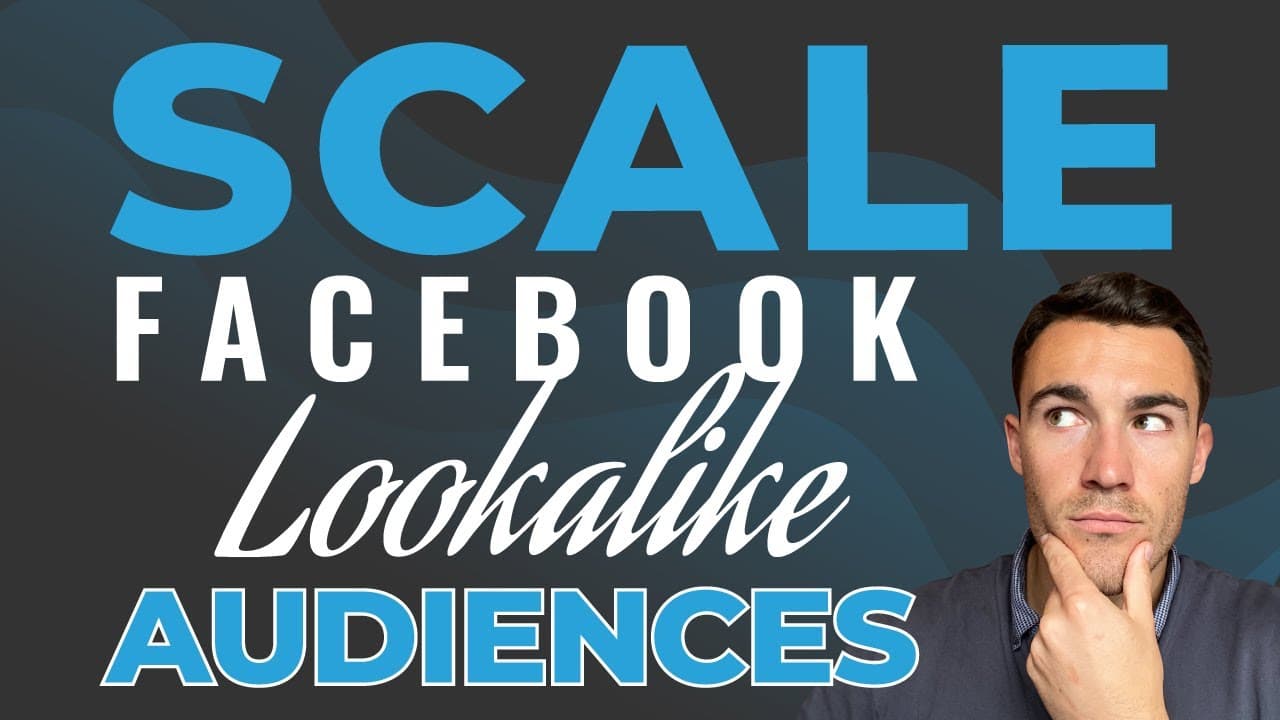
To effectively scale Facebook ads with lookalike audiences, increase the lookalike percentage gradually, rather than excluding previous audiences. Start from a 1% lookalike audience and expand to 2% or 3%, while maintaining budget and ad performance. This approach utilizes existing optimization to reach a larger audience without sacrificing effectiveness.
Transcript
hi guys it's ben heath and in this video i'm going to show you how to scale facebook ads look-alike audiences how do you scale a campaign or an ad set that is using look-alike audience this is something i get questions about a lot i want to show you my exact process for how i go through and and do that before i get into that just want to very quick... Read More
Key Insights
- Scaling Facebook ads involves increasing budget and expanding lookalike audience size to reach more people effectively.
- A common starting point for lookalike audiences is a one percent match, which can be scaled up to two or three percent.
- Avoid excluding the original one percent lookalike audience when creating larger audience sets to maintain ad performance.
- Instead of running multiple ad sets, integrate new audience percentages into existing successful ad sets to benefit from prior learning.
- Adjusting ad sets directly is recommended when expanding audience size, as it retains the optimization from previous campaigns.
- Scaling requires balancing budget increases with audience expansion to prevent audience fatigue and maintain campaign effectiveness.
- Joining a Facebook Ads Mastermind group can provide valuable insights and community support for optimizing ad strategies.
- Free resources, like webinars and templates, are available to help advertisers improve their Facebook ad performance.
Install to Summarize YouTube Videos and Get Transcripts
Explore YouTube Video Summarizer or Get YouTube Transcript Extractor
Questions & Answers
Q: How do you start scaling lookalike audiences in Facebook ads?
To start scaling lookalike audiences, begin by increasing the percentage size of your audience. For example, if you start with a one percent lookalike audience, consider expanding to a two or three percent audience. This allows you to reach more people while leveraging the initial audience's optimization.
Q: Should you exclude the original lookalike audience when scaling?
No, you should not exclude the original lookalike audience when scaling. Instead, integrate the expanded audience percentage into the existing ad set. This approach retains the learning and optimization from the initial audience, ensuring continued performance improvements.
Q: Why is it important to adjust existing ad sets rather than creating new ones?
Adjusting existing ad sets retains the learning and optimization that has already occurred. By expanding the audience within the same ad set, you benefit from Facebook's previous optimization efforts, which can lead to better results compared to starting a new ad set from scratch.
Q: What factors should determine the percentage increase of a lookalike audience?
The percentage increase of a lookalike audience should be determined by the population size of the target country. For larger populations, a two percent increase might suffice, while smaller populations might require a three percent increase to effectively scale the audience.
Q: How does budget scaling relate to audience scaling in Facebook ads?
Budget scaling is related to audience scaling because as you increase your ad spend, you need a larger audience to prevent ad fatigue. By expanding the lookalike audience size, you ensure that your ads reach new potential customers, maintaining effectiveness as the budget grows.
Q: What resources are available to help with Facebook ad scaling?
Resources available for Facebook ad scaling include a free webinar on ad strategies and a Facebook Ads Mastermind group. These resources provide valuable insights, strategies, and community support to help advertisers improve their Facebook ad performance and scaling efforts.
Q: What is the benefit of joining a Facebook Ads Mastermind group?
Joining a Facebook Ads Mastermind group offers the benefit of community support, expert advice, and exclusive training sessions. Members can share experiences, ask questions, and receive guidance on optimizing their Facebook ad strategies, leading to improved advertising results.
Q: Why is it important not to run multiple ad sets with overlapping audiences?
Running multiple ad sets with overlapping audiences can lead to competition between the sets, confusing the optimization process. By integrating expanded audiences into a single ad set, you maintain clarity in targeting criteria and benefit from consolidated learning and optimization.
Summary & Key Takeaways
-
The video provides a detailed guide on scaling Facebook ads using lookalike audiences, focusing on adjusting audience size and budget. It emphasizes maintaining existing ad set optimization while expanding audience reach.
-
Ben Heath explains the process of scaling by increasing the percentage of lookalike audiences rather than excluding existing ones, ensuring the ad set benefits from previous learning and optimization.
-
Additional resources, such as a free webinar and a Facebook Ads Mastermind group, are offered to help advertisers enhance their strategies and achieve better results with Facebook advertising.
Read in Other Languages (beta)
Share This Summary 📚
Summarize YouTube Videos and Get Video Transcripts with 1-Click
Try YouTube Summary with ChatGPT & Claude or YouTube Transcript Generator
Explore More Summaries from Ben Heath 📚
Summarize YouTube Videos and Get Video Transcripts with 1-Click
Try YouTube Summary with ChatGPT & Claude or YouTube Transcript Generator